Blog

OIL RISES ON FEARS ABOUT LEBANON, FURTHER OPEC+ SUPPLY CUTS.
Oil prices rose over 2% due to rising tensions in Lebanon and the potential extension of OPEC+ supply cuts. While geopolitical risks in the Middle East and production cuts are supporting prices, weak global demand and rising U.S. inventories point to downward pressure on oil in the longer term.
- 1 year, 11 months
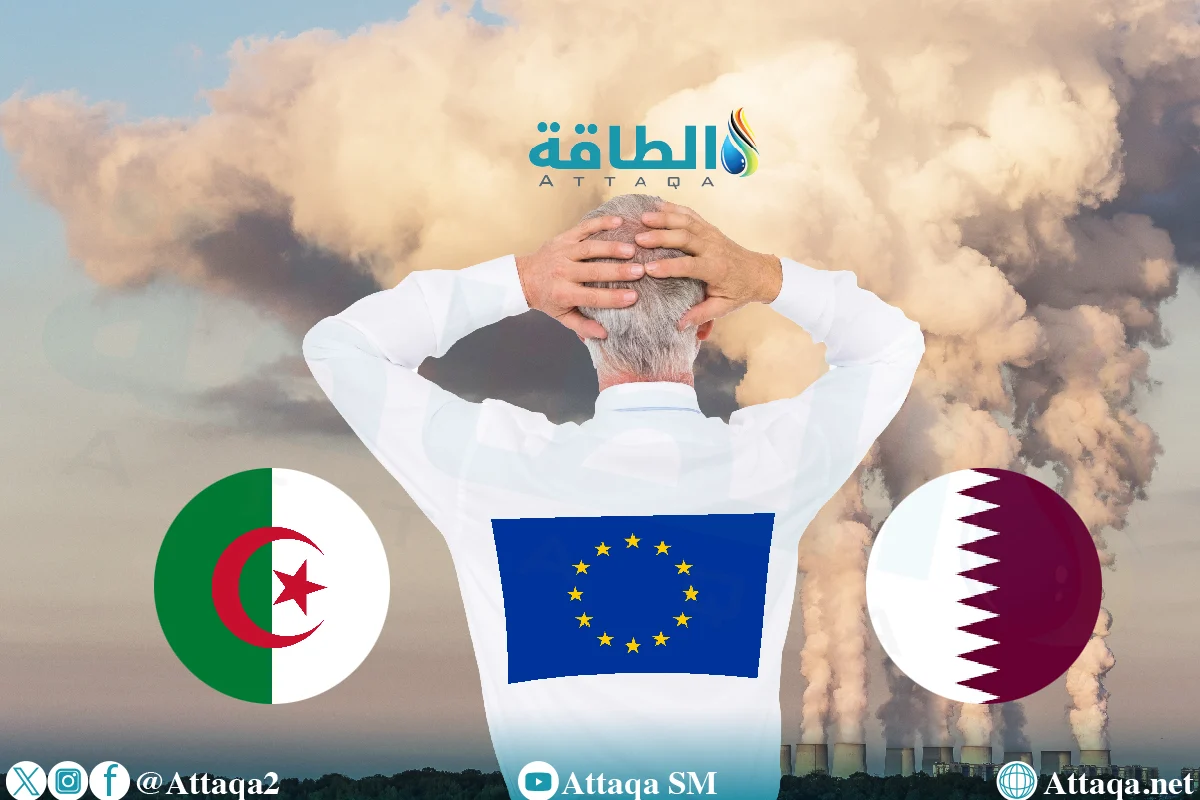
ALGERIA AND QATAR FACE SCRUTINY OVER LNG EMISSIONS IN EUROPE'S ENERGY SHIFT.
Algeria and Qatar, among Europe’s top LNG suppliers, are under scrutiny for high emissions linked to their gas exports. Reports highlight the environmental impact of LNG, raising concerns about its role in Europe’s transition to cleaner energy.
- 1 year, 11 months

STAKEHOLDERS DEMAND INVESTMENTS IN LNG, CNG, OTHER CLEANER ENERGY SOURCES IN NIGERIA.
At the 8th Energy Summit in Nigeria, stakeholders urged the government and African nations to invest heavily in LNG, CNG, and other clean energy solutions for a sustainable energy transition. Experts emphasized the need to stop gas flaring, utilize Africa's abundant resources, and prioritize clean energy over continued fossil fuel exploration.
- 1 year, 11 months

QATAR ENERGY SUPPLIES CHINA WITH MASSIVE LNG DEAL.
Qatar Energy signed a long-term agreement with Shell to supply China with 3 million tons of LNG annually, starting in January 2025, reflecting the growing global demand for energy. This partnership, expected to last at least 10 to 15 years, strengthens Qatar's role as a leading LNG supplier and supports China's position as the world's largest LNG market.
- 1 year, 11 months

OIL & GAS STOCK ROUNDUP: EQUINOR'S DISCOVERY, SHELL'S UKRAINE EXIT & MORE.
Oil prices saw a significant rise last week, driven by geopolitical tensions and a surge in natural gas demand, with notable developments from Equinor’s new discovery in the North Sea and Shell’s exit from Ukraine. Additionally, Petrobras, TC Energy, and BP also made major announcements, including large investment plans and innovative projects in the energy sector.
- 1 year, 11 months
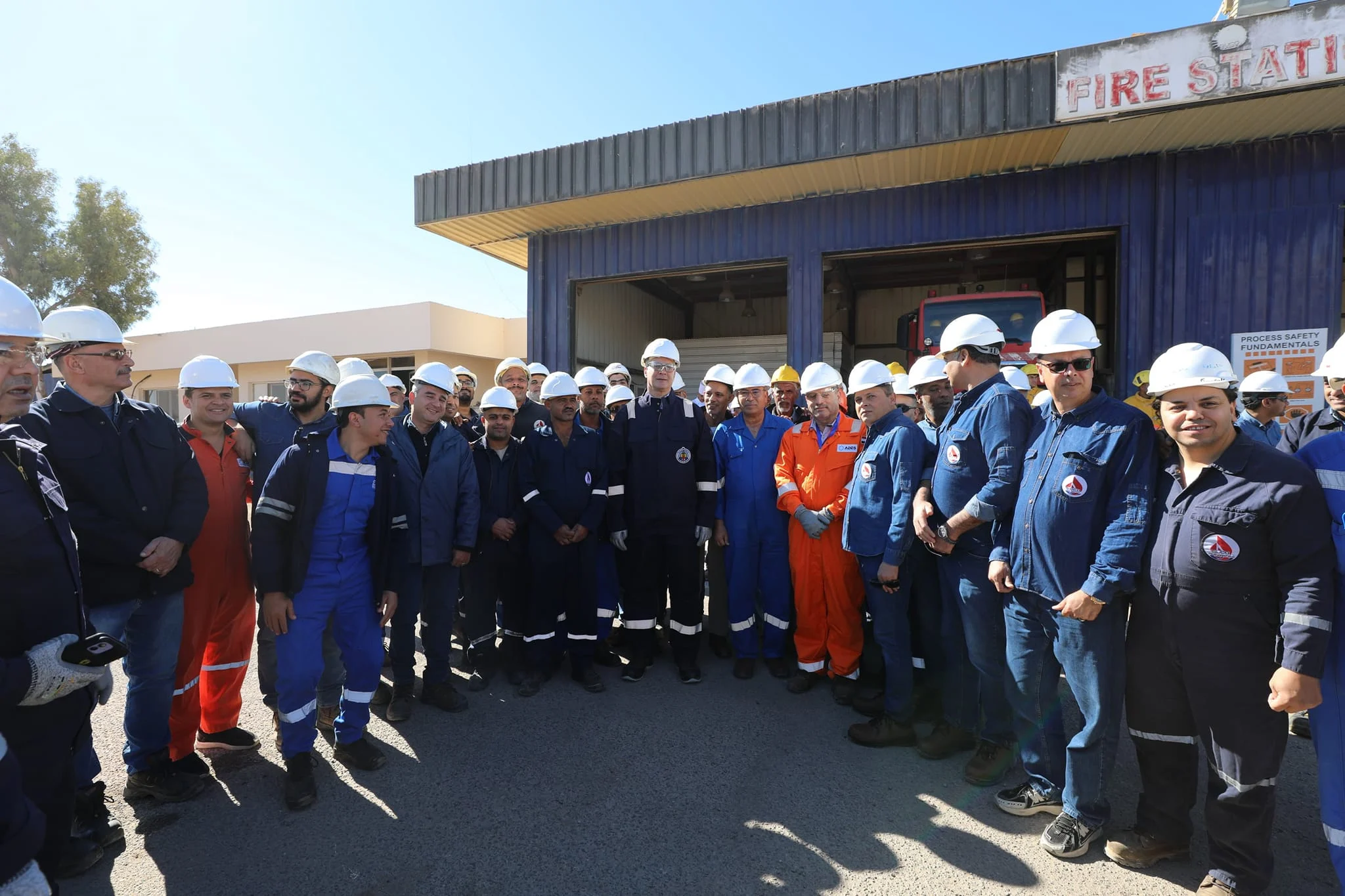
SAUDI COMPANY ACHIEVES BOOM IN OIL PRODUCTION IN EGYPT.
Saudi company Addis Oilfield Services has significantly boosted oil production in Egypt's Ras Badran field, increasing output to 7,500 barrels per day just three months after starting operations. This success is part of a broader plan to invest up to $66 million in revitalizing aging oil fields in the Gulf of Suez, supporting Egypt's efforts to meet growing energy demand and reduce its import dependency.
- 1 year, 11 months

Africa Energy Insights (AEI) is an African platform with latest news, insights and investment report of Energy Sectors. We bridging the gap and mobilizes investment in Energy resources for Sustainable and reliable Energy supply.