Blog

TANZANIA: GOVERNMENT CONTINUES TO ENGAGE INVESTORS IN RENEWABLE ENERGY DEVELOPMENT - DR. MATARAGIO.
The Tanzanian government is actively engaging investors in the development of renewable energy sources, including geothermal, solar, and wind, to diversify the country's energy mix and promote sustainability. Recent updates highlight ongoing projects that aim to harness geothermal resources, with significant potential for electricity generation across several regions.
- 1 year, 9 months
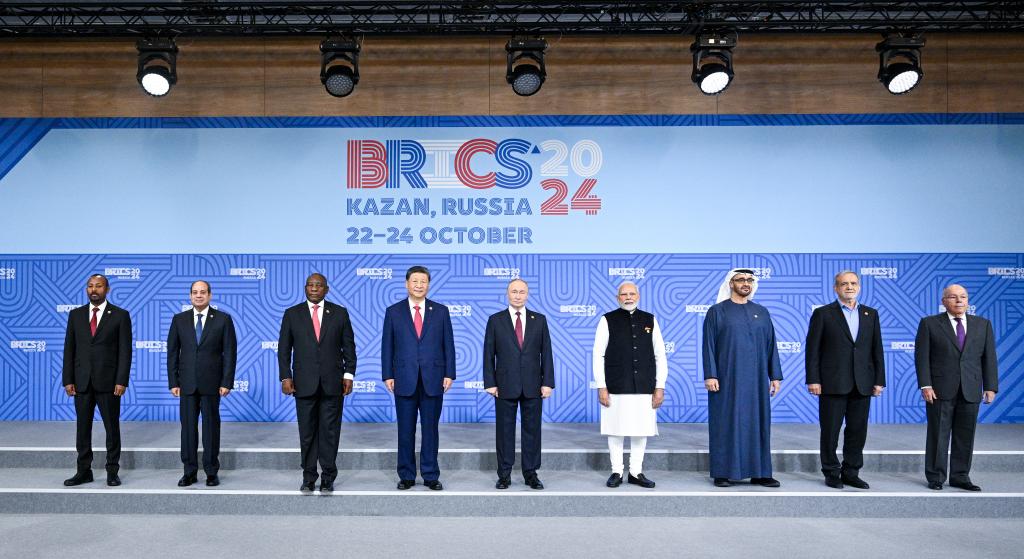
SIX NEW BRICS: IMPLICATIONS FOR ENERGY TRADE.
BRICS is expanding to include six new members—Argentina, Egypt, Ethiopia, Iran, Saudi Arabia, and the UAE—to strengthen its geopolitical influence and enhance energy cooperation. This could reshape global energy trade by uniting major oil producers and enabling alternative trading mechanisms outside the dollar system.
- 1 year, 9 months

TANZANIA BUILDING GRID INTERCONNECTOR WITH ZAMBIA TO HELP MITIGATE POWER CRISIS.
Tanzania is constructing a grid interconnector with Zambia to help alleviate a drought-driven power crisis, with the project expected to take 36 months to complete. Additionally, the government is negotiating a host agreement for the $42 billion Tanzania LNG export plant, aiming to ensure fair benefits for all parties involved.
- 1 year, 9 months
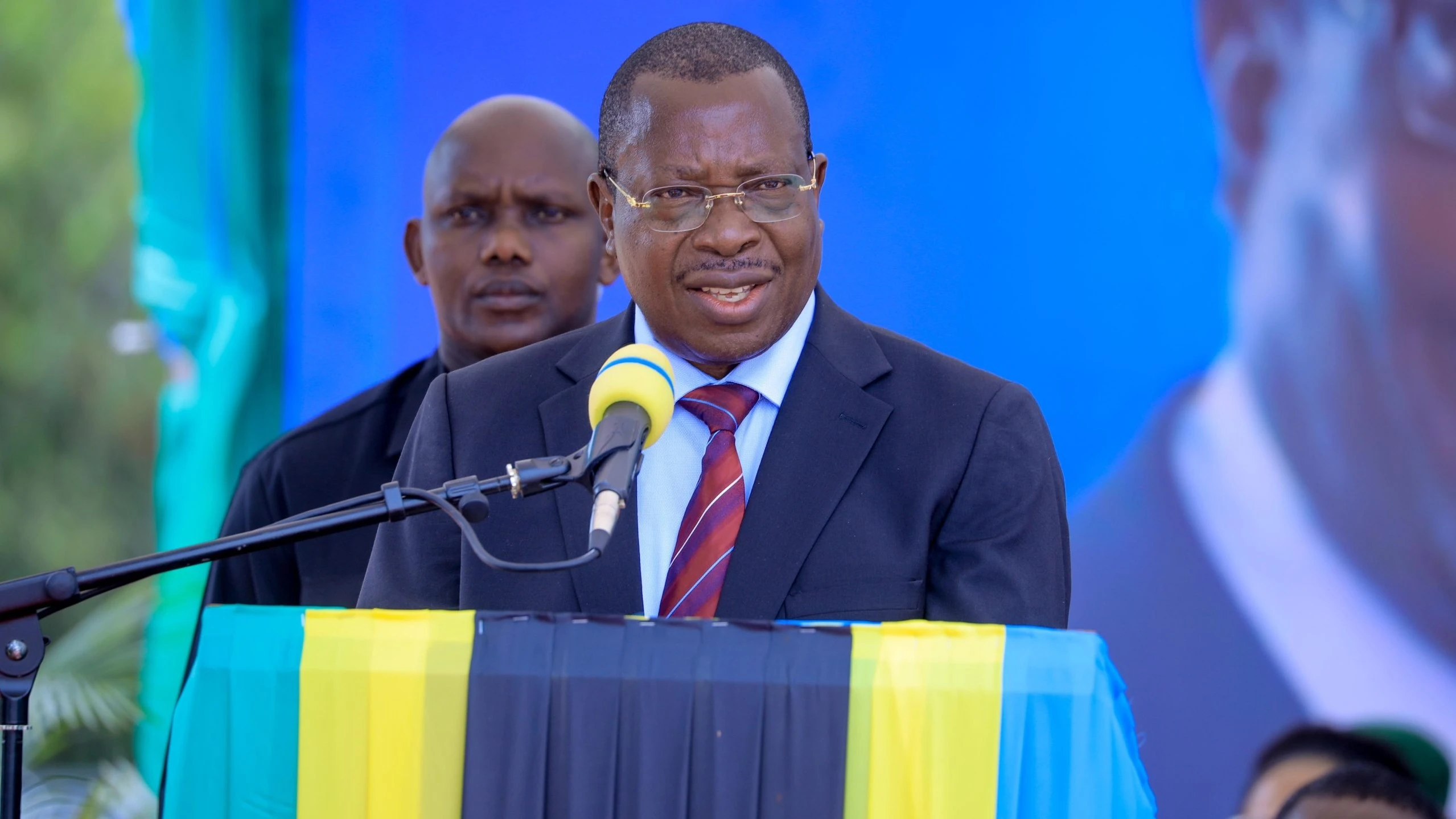
TANZANIA: GEOTHERMAL ENERGY VITAL FOR FAIR ELECTRICITY ACCESS.
Vice President Dr. Philip Mpango encouraged investors to tap into Tanzania's geothermal energy potential at the 10th African Geothermal Conference, stressing the government's commitment to sustainable energy. The event highlighted the need for regional cooperation to enhance energy access and reduce reliance on fossil fuels.
- 1 year, 9 months
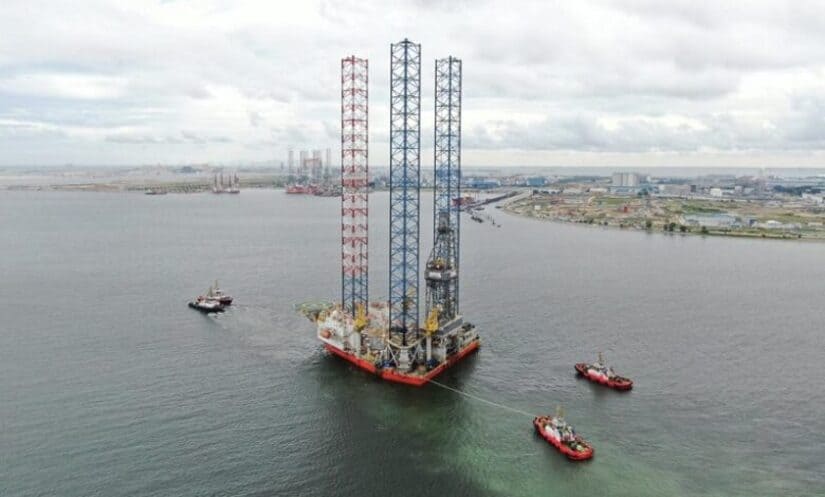
OIL DISCOVERY IN AFRICA WITH 23 MILLION BARRELS RESERVES MAKES PROGRESS.
An oil discovery in Gabon is progressing towards a production target of 40,000 barrels per day, with Norwegian company BW Energy successfully drilling new wells and repairing existing ones in the Dusavo oil field. Recent discoveries have raised resource estimates significantly, positioning the region for increased output and establishing Gabon as a key player in the oil sector.
- 1 year, 9 months
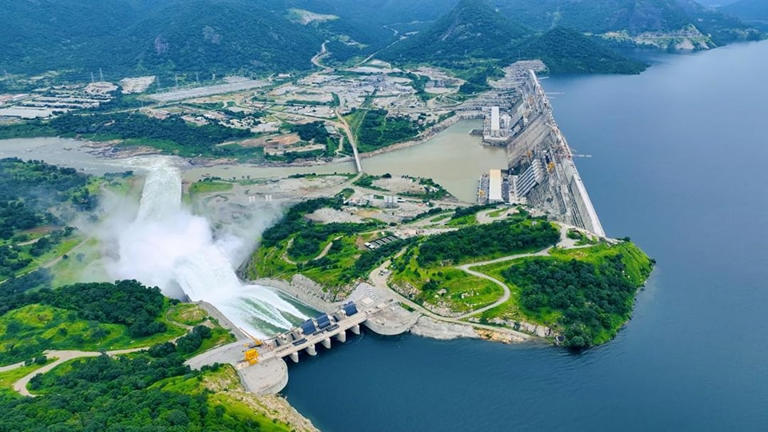
POWERING AFRICA: 6,450-MW ETHIOPIAN DAM TO HARNESS NILE WATERS FOR ENERGY.
The Grand Ethiopian Renaissance Dam (GERD) aims to be Africa's largest hydroelectric facility, boosting Ethiopia's economy but raising regional tensions with Egypt and Sudan over water rights. Its success hinges on Ethiopia managing relationships with downstream nations effectively.
- 1 year, 9 months

Africa Energy Insights (AEI) is an African platform with latest news, insights and investment report of Energy Sectors. We bridging the gap and mobilizes investment in Energy resources for Sustainable and reliable Energy supply.