Blog
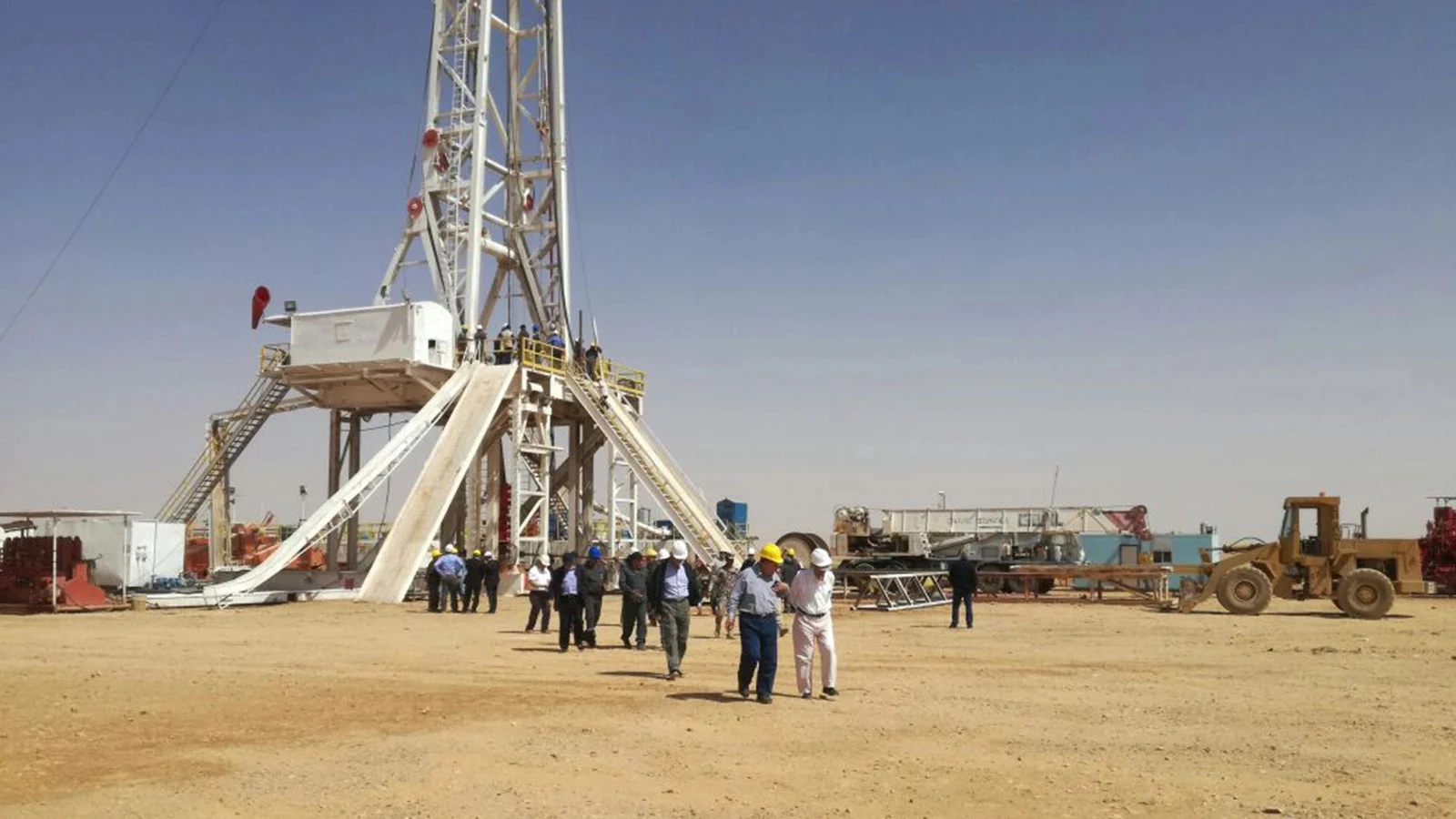
JORDAN IS CLOSE TO DISCOVERING A HUGE GAS FIELD. IT MAY TURN TO EXPORT.
Jordan is on the brink of a major gas discovery at the Risha field, with reserves estimated at 10 trillion cubic feet, which could reduce the Kingdom's energy import reliance and support economic growth. Plans to expand production, improve infrastructure, and connect to regional pipelines, including Egypt's Arab Gas Pipeline, are central to this transformative energy strategy.
- 2 years

NIGERIA TO END FLARING BY 2030 THROUGH GAS UTILISATION FOR AUTOMOBILES - KYARI.
Nigeria plans to end gas flaring by 2030, converting flared gas for use in cars and power generation. The country is also pushing for global collaboration and capital access to support its decarbonization efforts and address energy poverty.
- 2 years

EUROPE STOCKS UP ON LNG AHEAD OF WINTER.
Europe boosted LNG imports in October to stock up for winter, while Asian imports, particularly from China, slightly declined. Global LNG demand continues to rise, driven by Asia’s energy transition and industrial growth.
- 2 years
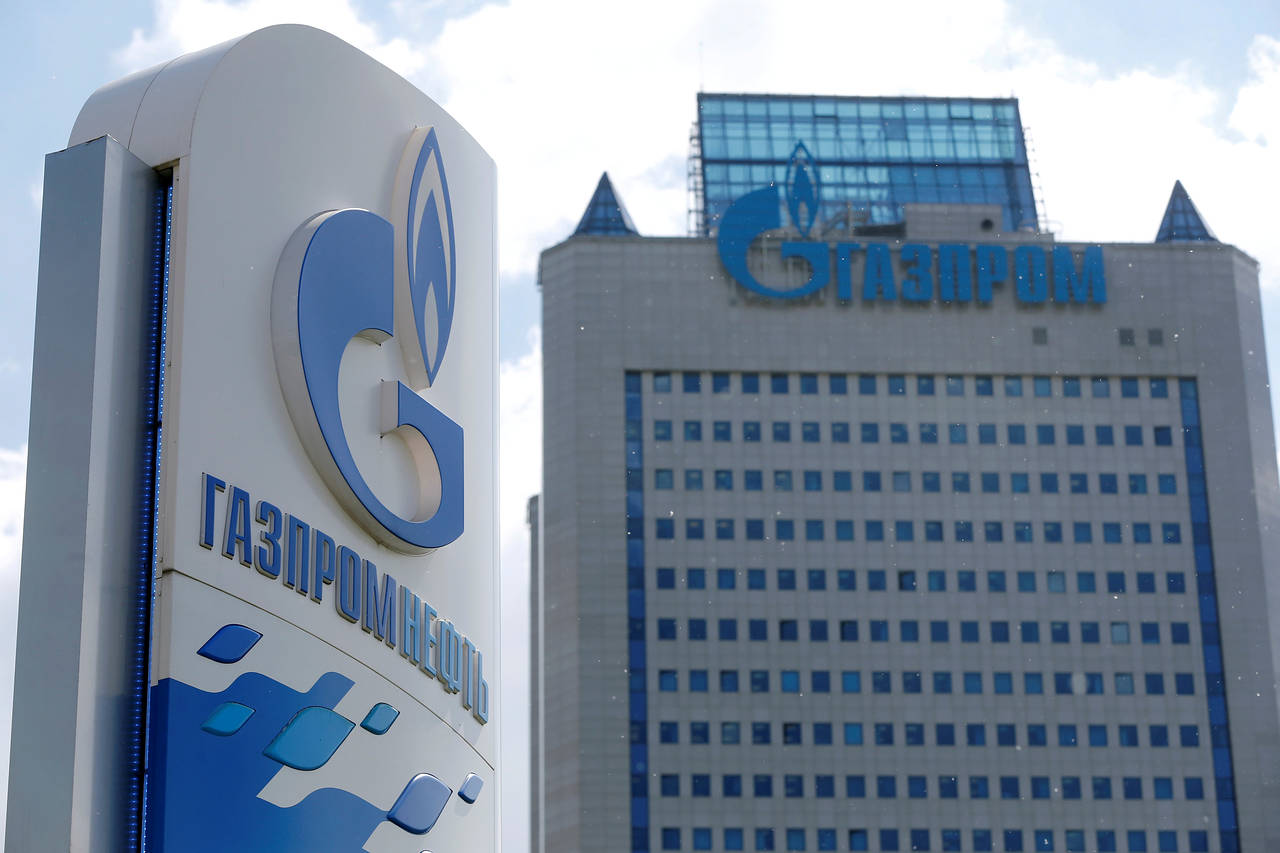
GAZPROM INITIATES PILOT PROJECT TO SUPPLY CNG FUELING TRUCKS TO TANZANIA.
At African Energy Week 2024, Gazprom unveiled a project to supply Tanzania with CNG fueling trucks to support its growing natural gas vehicle market. Russia also explored opportunities for cooperation in energy, infrastructure, and workforce training across Africa.
- 2 years

KENYA TO EXIT OIL IMPORT DEAL WITH GULF COMPANIES: "DISTORTIONS IN FOREX MARKET.
Kenya plans to exit its oil import deal with Gulf countries due to unmet goals and market distortions. The government aims to return to the open tendering system for more stability.
- 2 years

HYDROGEN MARKET GAINS MOMENTUM THROUGH GLOBAL AUCTIONS AND INVESTMENTS.
Hydrogen projects in Europe are delayed due to regulatory and financial challenges, but global efforts, including auctions by H2Global, are helping create a market for green hydrogen. These auctions aim to secure long-term contracts and reduce risks, attracting more investment in the sector.
- 2 years

Africa Energy Insights (AEI) is an African platform with latest news, insights and investment report of Energy Sectors. We bridging the gap and mobilizes investment in Energy resources for Sustainable and reliable Energy supply.