Blog

TANZANIA’S ENERGY SECTOR INVITES FOREIGN INVESTMENT.
Deputy Minister for Industry and Trade, Mr. Exaud Kigahe, invited global companies to invest in Tanzania's transforming energy sector during the 8th Power and Energy Africa International Trade Exhibition in Dar es Salaam, highlighting significant infrastructure projects and supportive government policies. The event showcased exhibitors from 22 countries, with participants expressing enthusiasm for Tanzania's stable business climate and growth potential in renewable energy.
- 1 year, 10 months

OPEC'S 2024 VISION: OIL DEMAND SET TO SURGE DESPITE RENEWABLE GROWTH.
OPEC's 2024 World Oil Outlook projects that global oil demand will continue to grow, potentially exceeding 120 million barrels per day by 2050, largely driven by non-OECD countries like India and Africa. Despite the rise of renewable energy, OPEC emphasizes that oil will remain a critical component of the global energy mix, requiring substantial investments to sustain supply.
- 1 year, 10 months
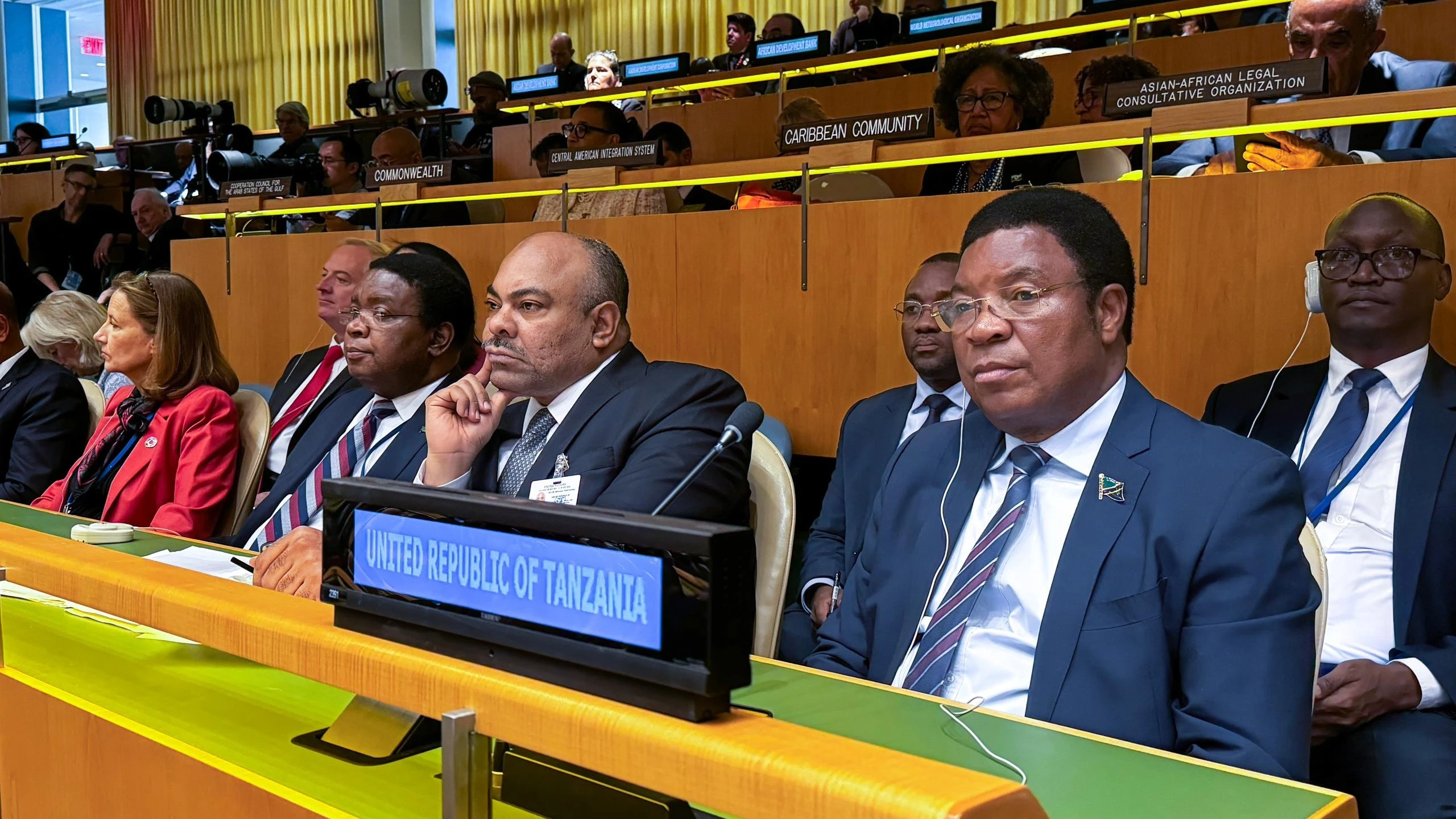
TANZANIA'S VISION: HOSTING KEY AFRICAN ENERGY CONFERENCE TO TRANSFORM POWER ACCESS.
Tanzania will host a significant African energy conference in January 2025, aiming to raise $190 billion to provide electricity to 300 million people by 2030, particularly in rural areas. With support from major financial institutions and the government, the conference seeks to foster collaboration and innovative solutions for sustainable energy development across the continent.
- 1 year, 10 months

NIGERIA: DANGOTE'S 'MONSTER' REFINERY FUELS FIGHT OVER GASOLINE SUBSIDIES.
The start of gasoline production at Aliko Dangote’s oil refinery in Nigeria is pushing the government closer to removing costly fuel subsidies that have long burdened the economy, despite fears of public backlash. Both Dangote and the government are engaged in negotiations over pricing and supply, as the country seeks to stabilize its fuel market amidst ongoing economic challenges.
- 1 year, 10 months
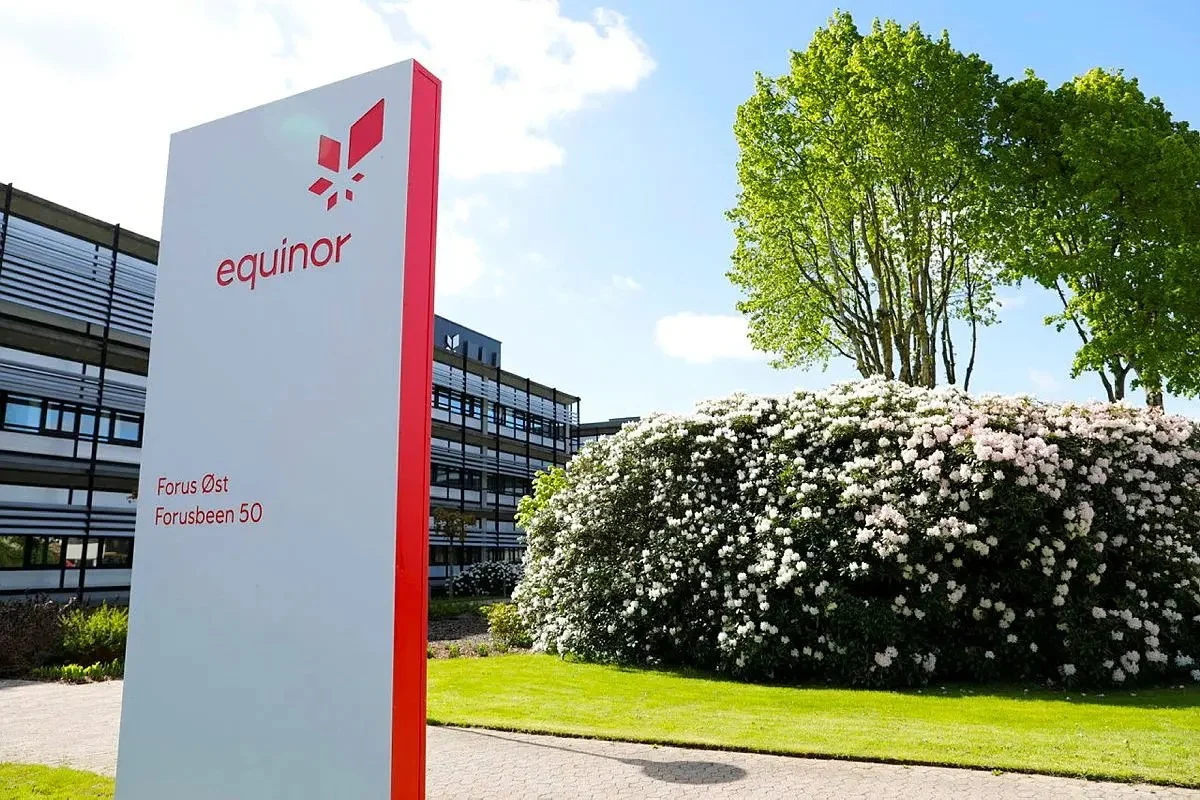
EQUINOR DISCOVERS OIL AND GAS IN THE NORTH SEA: SECOND FIND IN A WEEK.
Equinor has announced a significant oil and gas discovery in the northern North Sea, with estimated resources of about 56 million barrels, although current market conditions render it "unprofitable." This follows another recent find of 16 million barrels, highlighting ongoing exploration successes in the region despite economic challenges.
- 1 year, 10 months
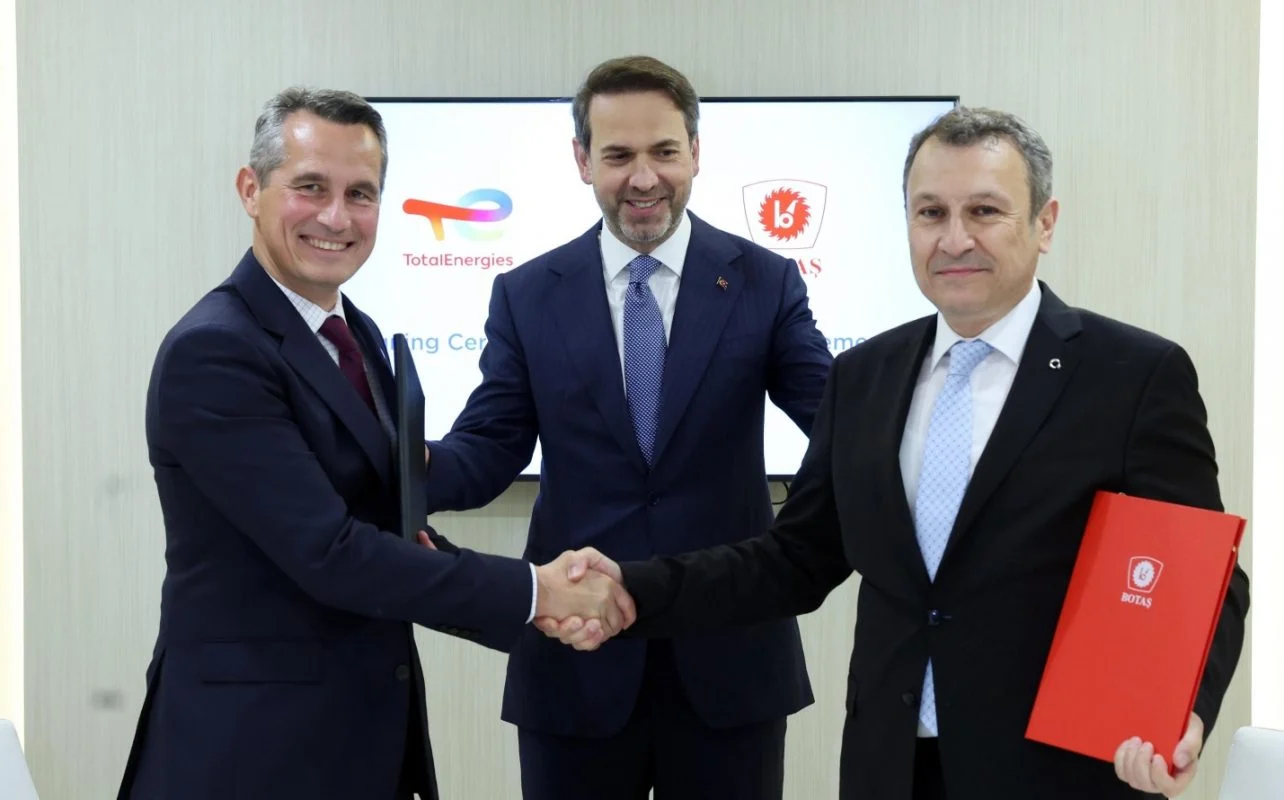
TURKEY AND TOTAL ENERGY: LNG PARTNERSHIP BOOSTS ENERGY SECURITY.
Turkey's long-term LNG agreement with TotalEnergies aims to enhance energy security by diversifying its energy sources and reducing dependence on conventional gas imports. This partnership not only strengthens Turkey's position as a regional gas hub but also provides European countries with alternative gas supplies, bolstering their energy resilience amid geopolitical uncertainties.
- 1 year, 10 months

Africa Energy Insights (AEI) is an African platform with latest news, insights and investment report of Energy Sectors. We bridging the gap and mobilizes investment in Energy resources for Sustainable and reliable Energy supply.