Blog

WHY NO MAJOR OIL COMPANY IS RUSHING TO DRILL PAKISTAN'S HUGE OIL RESERVES.
Pakistan has uncovered potentially massive oil and gas reserves, but experts warn that significant investment and years of work are needed for exploitation, with security concerns deterring international oil companies. As a result, China is emerging as the most likely partner for development, while Pakistan continues to grapple with an energy crisis exacerbated by fuel smuggling from Iran.
- 2 years, 1 month
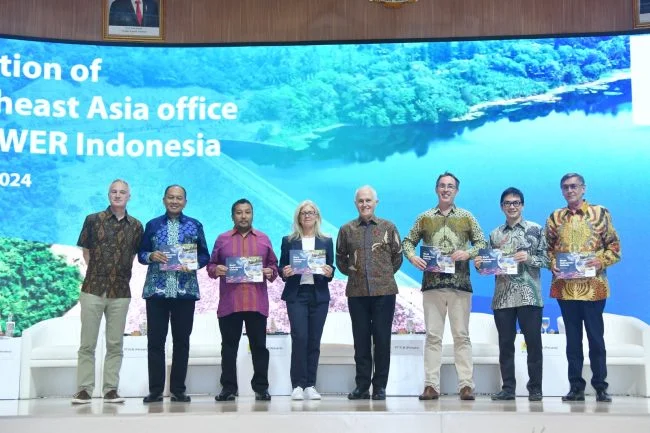
2024 WORLD HYDROPOWER OUTLOOK LAUNCHED IN SOUTHEAST ASIA AS IHA OPENS REGIONAL OFFICE.
The International Hydropower Association (IHA) has launched the 2024 World Hydropower Outlook in Southeast Asia alongside its new Jakarta office, in partnership with the Indonesia Hydropower Association and PLN, to promote sustainable hydropower development. The report highlights ambitious hydropower capacity targets for countries in the region, including Indonesia’s plan to increase capacity to 72 GW by 2070, while the office aims to facilitate collaboration and knowledge-sharing to support renewable energy goals.
- 2 years, 1 month

EQUINOR MAKES NEW GAS DISCOVERY IN NORWEGIAN NORTH SEA.
Equinor ASA and its partners have discovered new natural gas reserves in the Gudrun field of Norway’s North Sea through two wildcat wells, with preliminary estimates indicating recoverable oil equivalent between 0.1 and 1.3 million standard cubic meters. The Gudrun field, already in production since 2014, continues to show substantial reserves, prompting further evaluation of its prospectivity.
- 2 years, 1 month

INDIA WILL CONTINUE TO BUY CHEAP RUSSIAN CRUDE OIL.
India will continue to prioritize buying oil and gas at the lowest prices, focusing on discounted Russian crude, which has become its largest supply source. The country is also exploring long-term supply agreements with Russia to ensure stable oil supplies as it expands its refining capacity.
- 2 years, 1 month
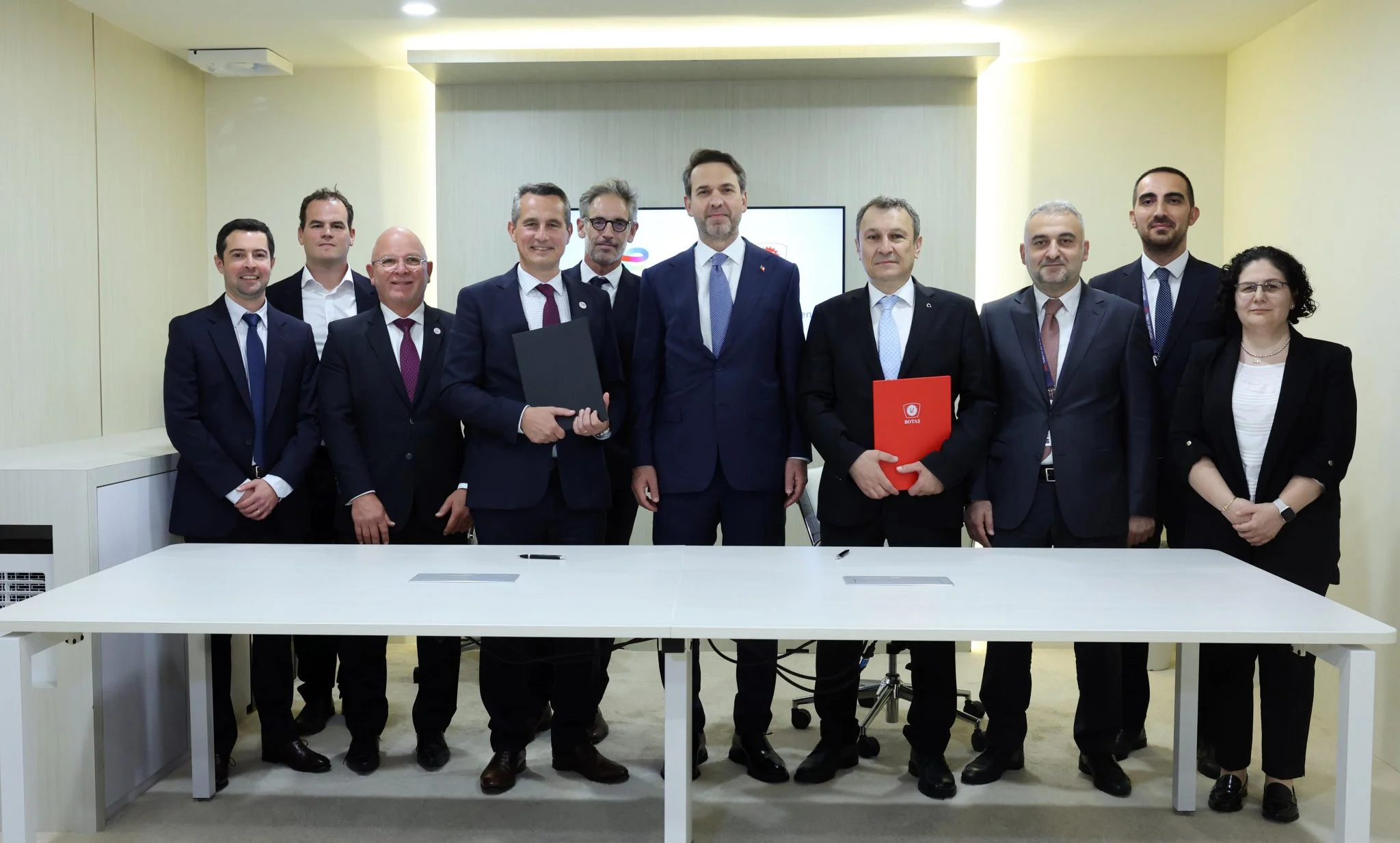
LONG-TERM LIQUEFIED GAS DEAL REVIVES TURKEY.
Turkey's national energy company, Botaş, has signed a long-term LNG agreement with Total Energy, set to begin in 2027 and supply 1.6 billion cubic meters annually. This deal, part of Turkey's strategy to enhance energy security and diversify sources, positions the country as a potential gas hub for exports to Europe, despite a recent decline in LNG imports from Egypt.
- 2 years, 1 month
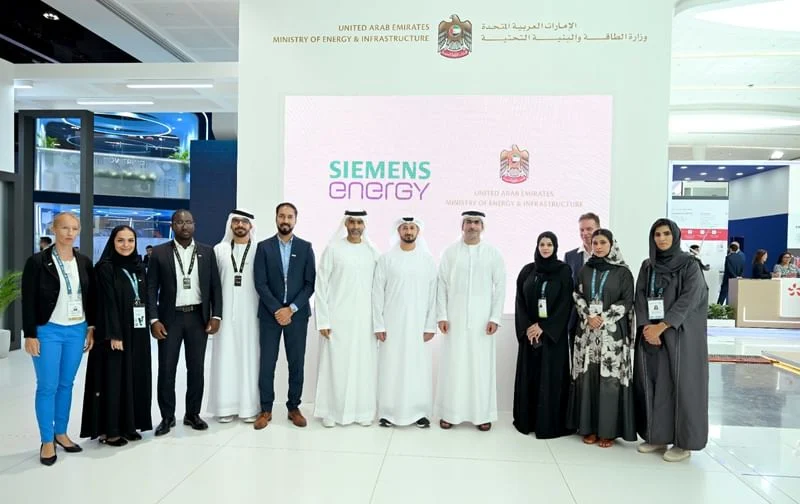
UAE USES GERMANY'S SIEMENS TO BOOST GREEN ENERGY INDUSTRY.
The UAE is partnering with Siemens Energy to advance its green energy sector and achieve carbon neutrality by 2050 through a new memorandum of understanding. This collaboration aims to enhance grid infrastructure, promote sustainable development, and support the energy transition in the UAE.
- 2 years, 1 month

Africa Energy Insights (AEI) is an African platform with latest news, insights and investment report of Energy Sectors. We bridging the gap and mobilizes investment in Energy resources for Sustainable and reliable Energy supply.