Blog

EACOP PIPELINE HITS 62% COMPLETION AS UGANDA SETS SIGHTS ON FIRST OIL BY END OF 2026.
The East African Crude Oil Pipeline (EACOP) has reached 62% completion, with Uganda on track to begin oil production by the end of 2026. Key infrastructure like Pump Station One and feeder pipelines are progressing steadily, driven largely by Ugandan engineers and technicians.
- 1 year, 1 month

EQUINOR’S NEW BARRENTS SEA GAS DISCOVERY BOOSTS NORWAY’S ENERGY STRATEGY AND EUROPEAN SUPPLY SECURITY.
Norway's Equinor has announced a significant natural gas discovery in the Skred prospect near the Johan Castberg field in the Barents Sea, marking another step in the country's efforts to bolster its energy exports amid Europe's ongoing energy diversification. According to the Norwegian Offshore Directorate, the estimated recoverable volumes range between 0.3 and 0.5 billion standard cubic meters of gas, equivalent to 1.9–3.1 million barrels of oil. As geopolitical pressures continue to reshape Europe's energy landscape especially following the continent’s pivot away from Russian energy this new find adds to Norway’s strategic positioning as a reliable energy supplier. From a business perspective, the potential tie-in to existing infrastructure at the Johan Castberg field enhances the economic viability of the project, reinforcing Equinor’s and its partners’ commitment to maximizing value from the region. With Equinor owning 46.3% of the permit, alongside Vår Energi and Petoro, the discovery also strengthens collaboration between public and private stakeholders in Norway’s energy sector.
- 1 year, 1 month

TANZANIA’S LNG DREAMS: WILL THE PROJECT FINALLY TAKE OFF?.
Tanzania’s long-awaited LNG project is gaining renewed momentum, with over 57 trillion cubic feet of natural gas reserves offering massive economic and energy potential. Recent government reforms and rising global demand have created a unique window of opportunity for the project to finally take off.
- 1 year, 1 month

TPDC, ENERGETECH SEAL MULTIMILLION-DOLLAR GAS TRANSPORT DEAL.
TPDC has signed a deal with Energetech-Tantel to invest up to $200 million in transporting natural gas via road and rail to Dodoma, Geita, Mwanza, and Kigoma over the next 12 months. The project aims to expand gas access beyond the current four regions and support Tanzania’s transition to a gas-powered economy.
- 1 year, 1 month

TPDC, ZPDC BEGIN NATURAL GAS EXPLORATION IN PEMBA.
TPDC and ZPDC have begun preliminary natural gas exploration in Pemba to boost clean energy access and reduce environmental degradation. If gas reserves are confirmed, the project will move to development, contributing to Tanzania’s broader energy goals.
- 1 year, 1 month
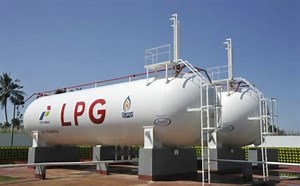
TANZANIA’S CLEAN ENERGY TRANSITION RELIES ON OVER $1 BILLION LPG.
Tanzania needs over $1 billion in investment over the next decade to develop its LPG sector and fast-track the transition to clean energy. Stakeholders say this would unlock major economic, environmental, and social benefits for the country.
- 1 year, 1 month

Africa Energy Insights (AEI) is an African platform with latest news, insights and investment report of Energy Sectors. We bridging the gap and mobilizes investment in Energy resources for Sustainable and reliable Energy supply.