Blog

USTR BACKTRACKS ON LNG AND VEHICLE CARRIER PENALTIES IN BID TO BALANCE TRADE, SECURITY, AND INDUSTRY PRESSURES.
In a significant shift that intertwines geopolitical strategy, economic pragmatism, and business interests, the United States Trade Representative (USTR) has revised its earlier hardline stance on penalties targeting non-U.S.-built LNG tankers and vehicle carriers. Originally intended to curb China's dominance in global shipping and reinvigorate U.S. shipbuilding, the proposed rules drew sharp backlash from both the liquefied natural gas (LNG) and automotive shipping industries for threatening to raise costs and disrupt trade. The softened measures now remove penalties linked to LNG exports on non-U.S. vessels and reduce steep port fees for foreign-built car carriers, particularly those supporting military operations. These adjustments come amid mounting concern that overly aggressive trade restrictions could hurt U.S. energy exports and global competitiveness. As global economic uncertainty persists and maritime logistics remain a battleground for strategic influence, the USTR’s course correction illustrates how the U.S. is trying to strike a delicate balance between protecting national interests and maintaining strong trade flows in a highly interconnected world.
- 1 year, 2 months

OIL PRICES CLIMB TO MULTI-WEEK HIGHS AMID US-CHINA TRADE OPTIMISM.
Oil prices surged to multi-week highs on Monday, underpinned by a complex mix of geopolitical developments, economic signals, and market sentiment. At the heart of the rally is renewed hope surrounding U.S.-China trade talks taking place in London, a diplomatic engagement that investors view as a potential turning point in strained relations between the world's two largest economies. A successful negotiation could ease global trade tensions, boost cross-border investments, and revive economic activity, particularly in energy-intensive sectors. On the business front, a weaker U.S. dollar has made oil cheaper for international buyers, spurring demand and lifting prices, while expectations of tighter market conditions have fueled speculative interest. Meanwhile, China's latest economic data has raised red flags exports have slowed, factory-gate deflation has deepened, and crude oil imports have declined signaling growing stress within its domestic economy. Yet, optimism about a trade deal continues to overshadow these concerns, with markets betting that improved diplomatic ties and coordinated global economic recovery efforts will help stabilize oil demand. As OPEC+ cautiously ramps up production, the energy sector is closely watching both political and economic shifts, which now hold the key to sustaining momentum in global oil markets.
- 1 year, 2 months

TANGA TO HOST PETREDEC, ASAS VAST LPG TERMINAL.
Petredec and ASAS have launched a $100 million LPG terminal in Tanga, Tanzania, aimed at transforming clean energy access across East Africa. The project will enhance supply, affordability, and availability of LPG, support government clean cooking goals and generating thousands of local jobs.
- 1 year, 2 months
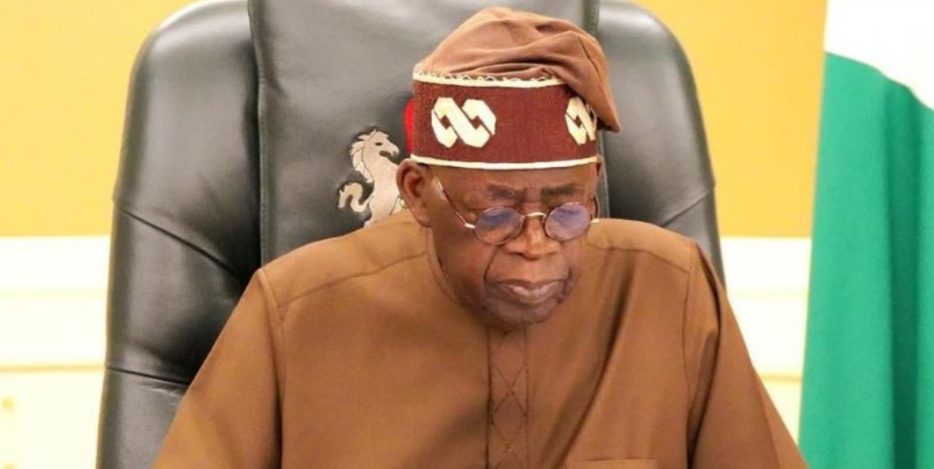
NIGERIA ISSUES UPSTREAM EXECUTIVE ORDER, PRIORITIZING HIGH RETURNS FOR OIL & GAS OPERATORS.
Nigerian President Bola Ahmed Tinubu has signed an executive order designed to lower project costs for investors while enhancing revenue from oil and gas projects.
- 1 year, 2 months

OIL PRICES WAVER AS CHINA’S ECONOMIC SLOWDOWN WEIGHS ON DEMAND WHILE TRADE DEAL HOPES OFFER SUPPORT.
Global oil markets are at a pivotal crossroads as geopolitical pressures, economic uncertainty, and evolving business strategies converge with growing intensity. Fresh U.S. Senate sanctions aimed at imposing 500% tariffs on Russian oil and gas could significantly upend global energy flows, potentially triggering supply shocks and inflationary ripple effects worldwide with American households and European allies bracing for higher costs. Simultaneously, weak economic data from China, including slowing exports and reduced crude imports, has cast a shadow over global demand prospects, just as Beijing and Washington prepare for crucial trade talks that could either revive or further dampen market optimism. On the business front, oil producers face a delicate balancing act: OPEC+ is accelerating output hikes into late 2025, while U.S. producers pull back amid wildfire-related disruptions and falling rig counts. Together, these developments reflect a market navigating fragile diplomacy, uneven recovery, and strategic recalibration all within an energy landscape that remains highly sensitive to political moves and economic signals.
- 1 year, 2 months

U.S. SENATE ENERGY TARIFF BILL TARGETS RUSSIA, RISK GLOBAL SHOCK.
A bold new U.S. Senate bill the Sanctioning Russia Act of 2025 is sending ripples through global energy markets, threatening to reshape geopolitical alliances, disrupt international trade, and spike energy costs for consumers. With a proposed 500% tariff on all Russian origin oil, gas, uranium, and petrochemicals and punitive measures for nations like China and India that continue doing business with Russia the legislation could destabilize existing energy supply chains and strain diplomatic ties. While aimed at choking off revenue for Russia’s war in Ukraine, the bill risks triggering economic blowback by jacking up prices at the pump and on utility bills, even in the U.S. Energy companies face mounting uncertainty as the prospect of restricted access to Russian supplies clashes with already fragile post-pandemic demand patterns. The result is a high-stakes gamble that blends hardline foreign policy with economic risk and could reconfigure global energy trade as both governments and businesses brace for impact.
- 1 year, 2 months

Africa Energy Insights (AEI) is an African platform with latest news, insights and investment report of Energy Sectors. We bridging the gap and mobilizes investment in Energy resources for Sustainable and reliable Energy supply.