Blog

GHANA: GOIL SLASHES PETROL, DIESEL PRICES FOR CONSUMERS.
Ghana’s largest indigenous petroleum downstream oil marketing company, GOIL, has reduced its petrol and diesel prices effective May 19, 2025.
- 1 year, 2 months
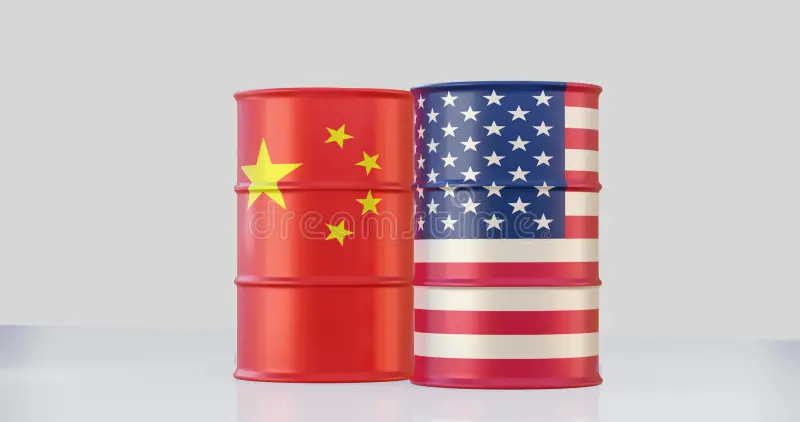
OIL RETREATS AS CHINA AND US GROWTH CONCERNS WEIGH.
Oil prices are on edge as economic clouds gather over the world’s two largest energy consumers the United States and China. A downgrade of U.S. sovereign credit by Moody’s and unexpectedly weak industrial and retail data from China have fueled fears of slowing demand in global oil markets. The concerns come just a week after optimism from U.S.-China tariff rollbacks had pushed prices higher. Add to this the growing uncertainty surrounding U.S.-Iran nuclear negotiations and renewed threats of tariffs from Washington, and the energy market finds itself caught in a complex web of economic and geopolitical risks.
- 1 year, 2 months

WORLD BANK GROUP GRANT FOR BIGGEST PROJECT IN MALAWI’S POWER PIPELINE.
The World Bank has approved a substantial $350 million grant to support Malawi's Mpatamanga Hydropower Storage Project (MHSP), marking a significant milestone in the nation's energy sector.
- 1 year, 2 months
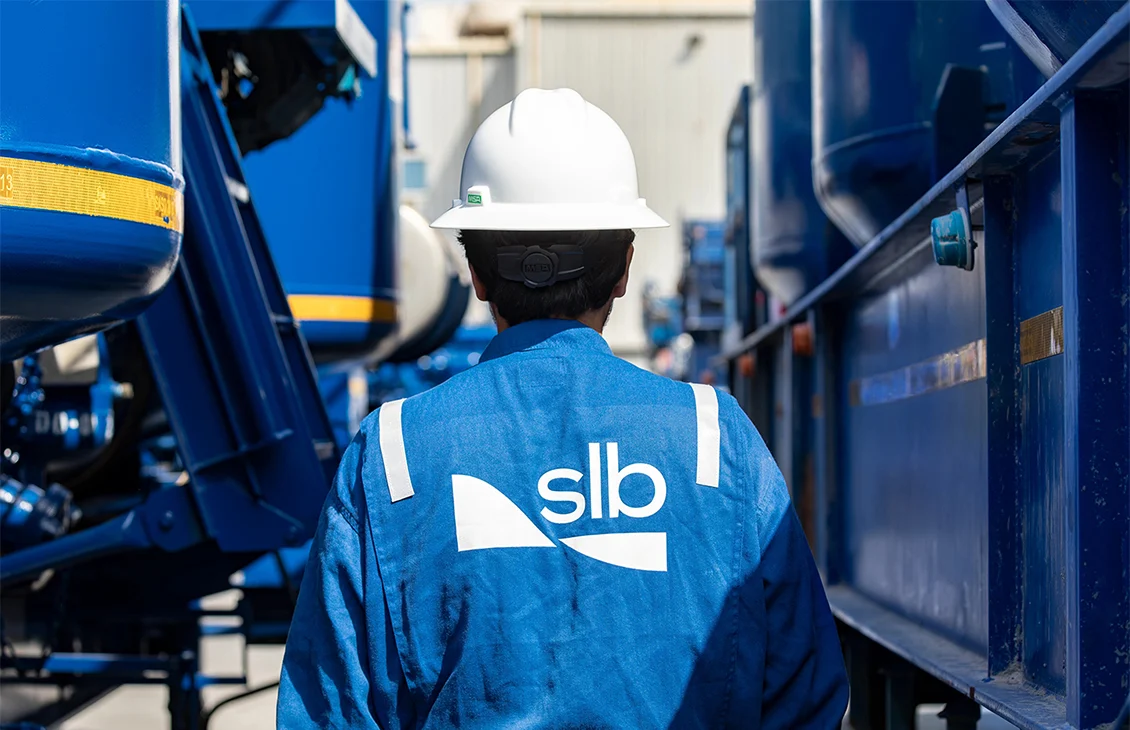
BOOSTING OIL PRODUCTION WITH NEW DIGITALLY SUPPORTED TECHNOLOGY.
SLB has launched a cutting-edge, digitally enabled well completion technology known as Electris, aimed at enhancing oil production while lowering the overall cost of asset ownership.
- 1 year, 2 months
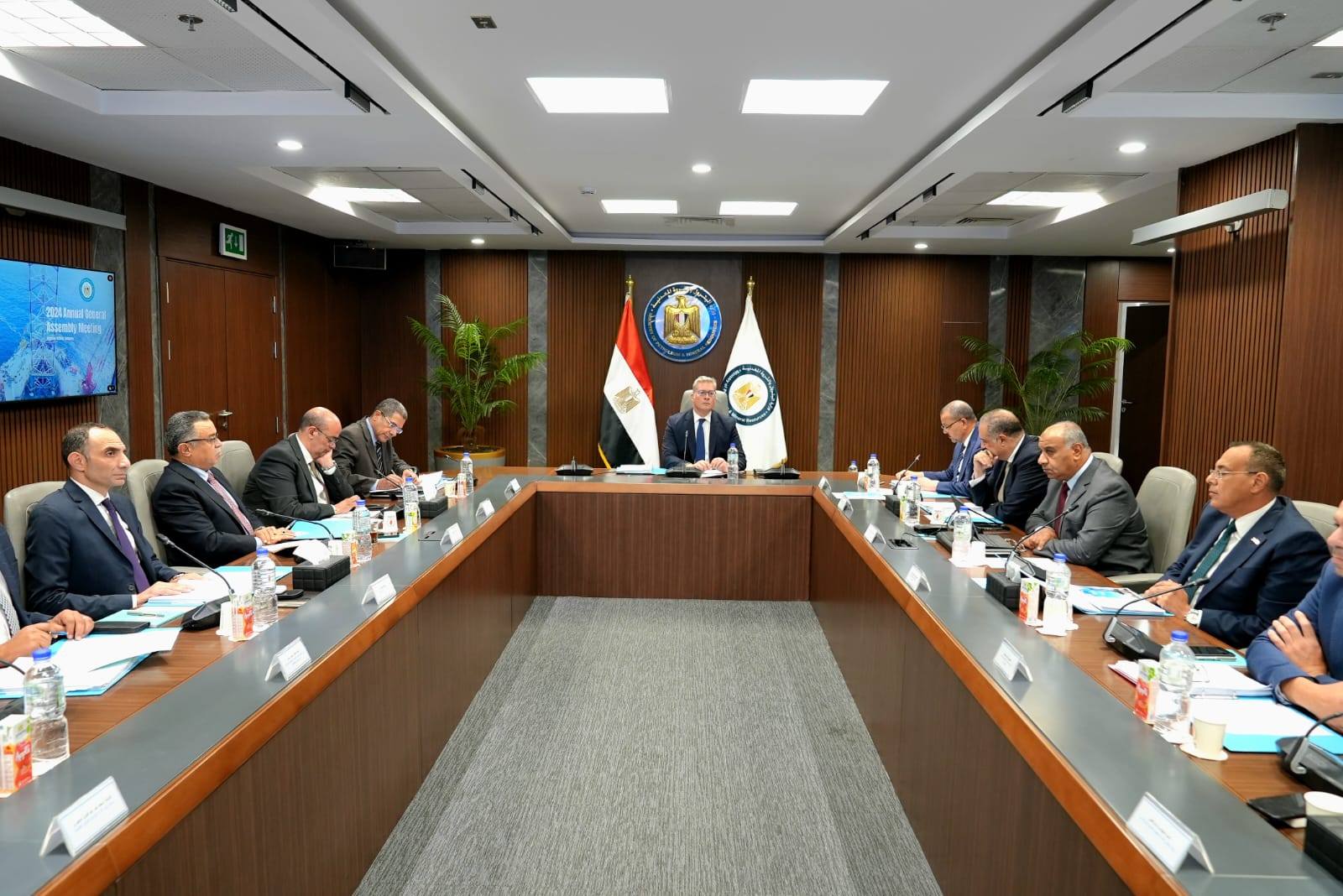
SAUDI ARAMCO USES 10 EGYPTIAN DRILLING RIGS.
As part of its strategy to boost domestic oil and gas production, Saudi Aramco has contracted 10 drilling rigs from the Egyptian Drilling Company (EDC), reinforcing the energy cooperation between Saudi Arabia and Egypt.
- 1 year, 2 months

EPRA MAINTAINS FUEL PRICES DESPITE DROP IN SHIPMENT COSTS.
EPRA has maintained fuel prices for the period between May 15 and June 14, 2025, despite a noticeable drop in the global shipment costs of petrol, diesel, and kerosene. The authority cites existing tax laws and inflation-adjusted levies as key reasons for keeping pump prices unchanged.
- 1 year, 2 months

Africa Energy Insights (AEI) is an African platform with latest news, insights and investment report of Energy Sectors. We bridging the gap and mobilizes investment in Energy resources for Sustainable and reliable Energy supply.