Blog

EU ROADMAP TO FULLY ELIMINATE DEPENDECY ON RUSSIAN ENERGY AND SECURE A SUSTAINABLE FUTURE.
The European Union is taking decisive action to end its dependence on Russian energy sources through a comprehensive and strategic roadmap. The EU aims to completely phase out Russian oil, gas, and nuclear energy by 2027, ensuring a stable and secure energy future. This transition, part of the Repower EU Plan, focuses on diversifying energy supplies, improving energy transparency, and accelerating the shift to clean energy. By the end of 2025, EU countries will develop national plans to contribute to eliminating Russian energy imports, enhancing security and market stability across the region. The roadmap also addresses issues like Russia’s ‘shadow fleet’ in the oil sector and restrictions on nuclear materials from Russia. This ambitious plan not only reduces security risks but also supports the EU’s economic growth and decarbonization goals. With new legislative proposals coming soon, the EU is setting a clear path towards a cleaner, independent, and more resilient energy system.
- 1 year, 3 months

WOODSIDE'S $30 BILLION BROWSE GAS PROJECT FACES RENEWED ENVIRONMENTAL SCRUTINY AMID REVISED PLANS.
Woodside Energy’s massive $30 billion Browse gas project off the coast of Western Australia is once again under the spotlight as environmental regulators revisit its approval process. With fresh concerns raised over marine life protection and ecological risks, the Western Australia Environmental Protection Authority has reopened public consultations, signaling possible hurdles for the country’s largest untapped gas field. As environmental groups push back against the project, citing potential threats to turtle habitats and climate impact, the outcome could shape the future of Australia’s gas industry and its global reputation. This story reveals the growing tension between economic interests and environmental responsibility.
- 1 year, 3 months
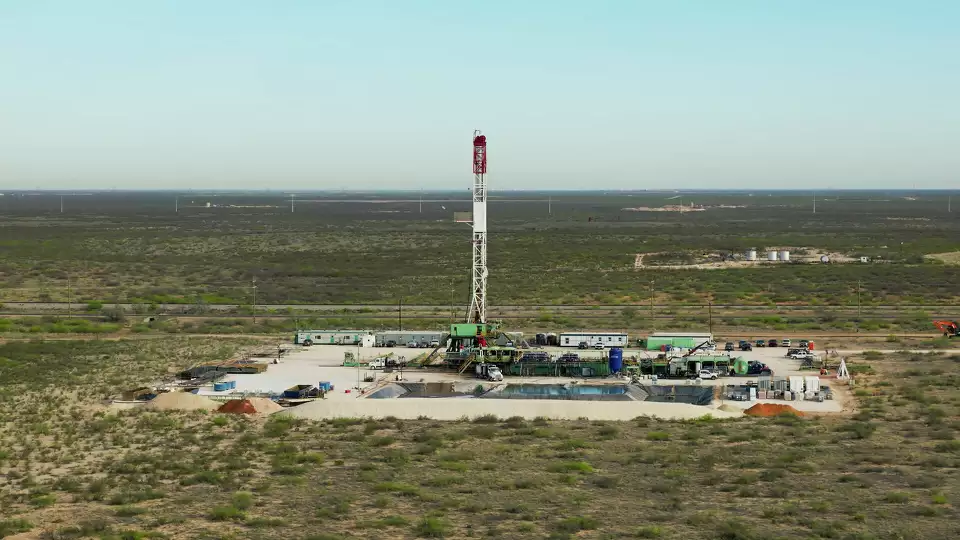
S&P GLOBAL PREDICTS U.S. OIL PRODUCTION DIP IN 2026 AMID SLUGGISH DEMAND AND RISING GLOBAL SUPPLY.
The U.S. oil industry is facing serious challenges ahead. S&P Global Commodity Insights has issued a stark warning that U.S. oil production could decline in 2026 for the first time in years, signaling a major shift in global energy dynamics. Sluggish demand growth, looming supply surpluses, and aggressive production increases by OPEC are creating a perfect storm for American oil producers. With output gains slowing and global trade uncertainties mounting, the future of U.S. energy dominance is under threat. This forecast marks a critical moment for global oil markets. If U.S. production weakens while OPEC continues ramping up, we could witness significant price swings and power shifts in the industry. Investors, policymakers, and energy companies are bracing for the impact. Will this downturn set the stage for a market rebound, or signal prolonged challenges ahead?
- 1 year, 3 months

350AFRICA CONDEMNS DRC’S RECKLESS OIL EXPANSION IN THE CUVETTE CENTRALE.
350Africa has strongly condemned the DRC government's decision to open 52 new oil blocks in the ecologically sensitive Cuvette Centrale basin. The move is seen as a major threat to climate stability, forest ecosystems, and the rights of local communities.
- 1 year, 3 months
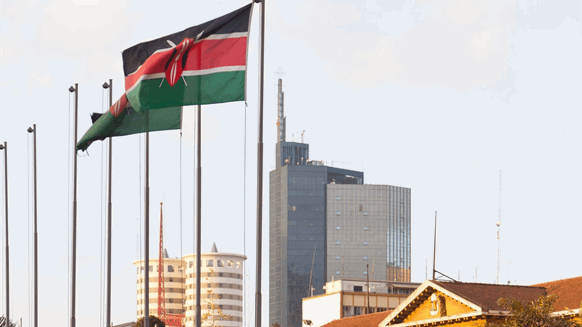
KENYA EXTENDS OIL IMPORT DEAL WITH GULF OIL GIANTS THROUGH 2027.
Kenya has extended its oil import deal with three Gulf state-owned firms by two years, allowing continued fuel purchases on a 180-day credit basis. The renegotiated deal features lower costs and aims to stabilize the shilling while easing pressure on foreign currency reserves.
- 1 year, 3 months
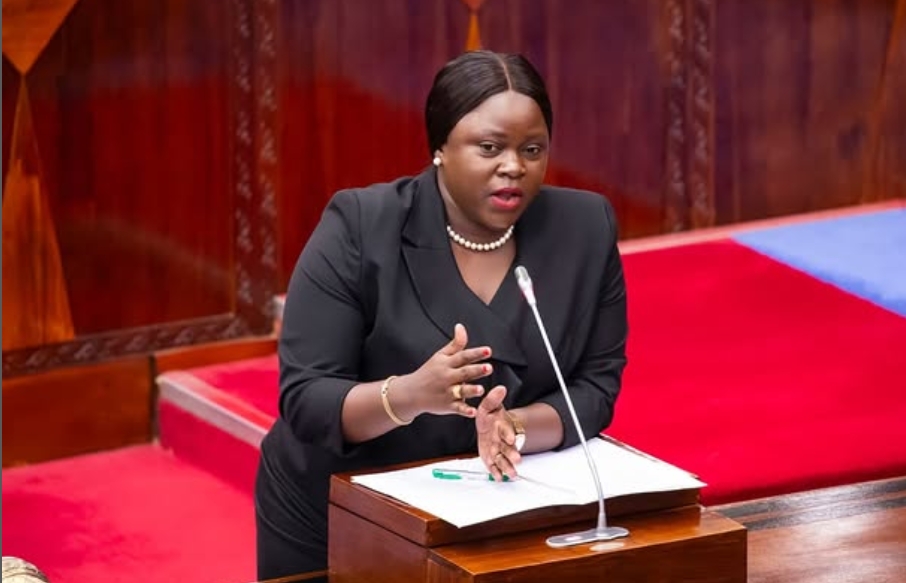
TANZANIA: OVER 800 HOUSEHOLDS IN MTWARA TO BE CONNECTED TO COOKING GAS NETWORK.
The Government of Tanzania, through TPDC, plans to connect over 800 households in Mtwara to a natural gas system for cooking. This initiative aims to expand access to clean energy and reduce reliance on traditional fuels.
- 1 year, 3 months

Africa Energy Insights (AEI) is an African platform with latest news, insights and investment report of Energy Sectors. We bridging the gap and mobilizes investment in Energy resources for Sustainable and reliable Energy supply.