Blog
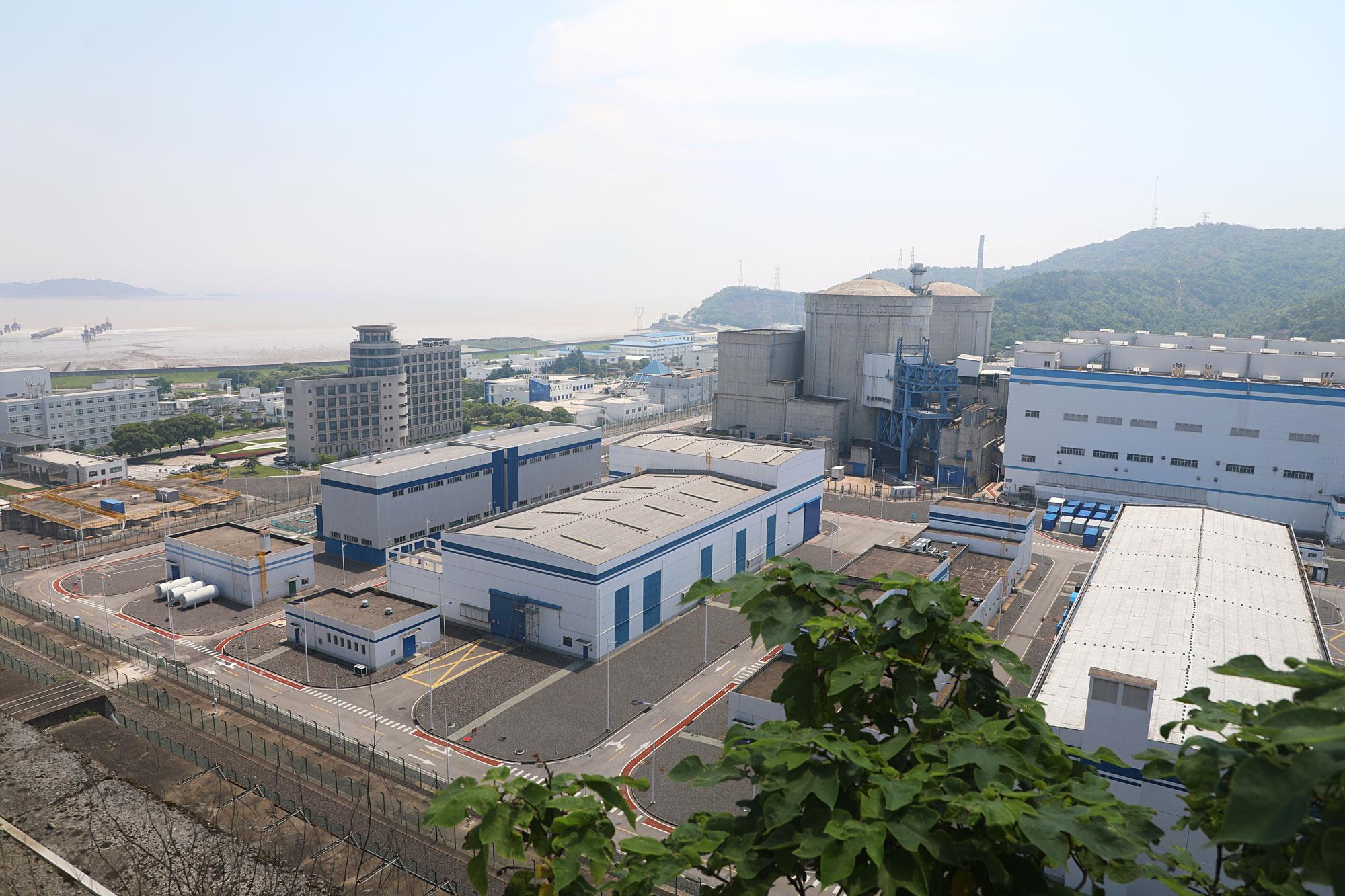
A CHINESE NUCLEAR REACTOR RECORDS THE LONGEST OPERATING TIME.
A Chinese nuclear reactor has made headlines by setting a new national record for uninterrupted operation.
- 1 year, 3 months

EIA SHOWS US CRUDE OIL INVENTORIES CONTINUE TO SLIDE.
As U.S. crude oil stockpiles fell by 2 million barrels last week, fresh data from the Energy Information Administration highlights a tightening supply environment just as gasoline and distillate demand surges ahead of peak consumption season. With refinery output rising and inventories slipping below five-year averages, this trend could have ripple effects on global oil prices already rattled by economic uncertainty, OPEC+ moves, and trade tensions. For investors, policymakers, and energy watchers alike, this development raises urgent questions: Are we heading for another price rebound? Will supply meet summer demand?
- 1 year, 3 months

SAUDI ARABIA'S BUDGET DEFICIT SOARS AMID OIL REVENUE SLUMP AND PRICE CRASH.
Saudi Arabia is facing mounting fiscal pressure as its budget deficit surged to $15.6 billion in Q1 2025—before the latest oil price crash even took hold. With oil revenues down sharply and borrowing on the rise, the Kingdom’s ambitious investment plans, like the futuristic Neom city, could be at risk. As global oil prices tumble and economic headwinds grow, discover how the world’s top crude exporter plans to navigate this critical financial turning point.
- 1 year, 3 months
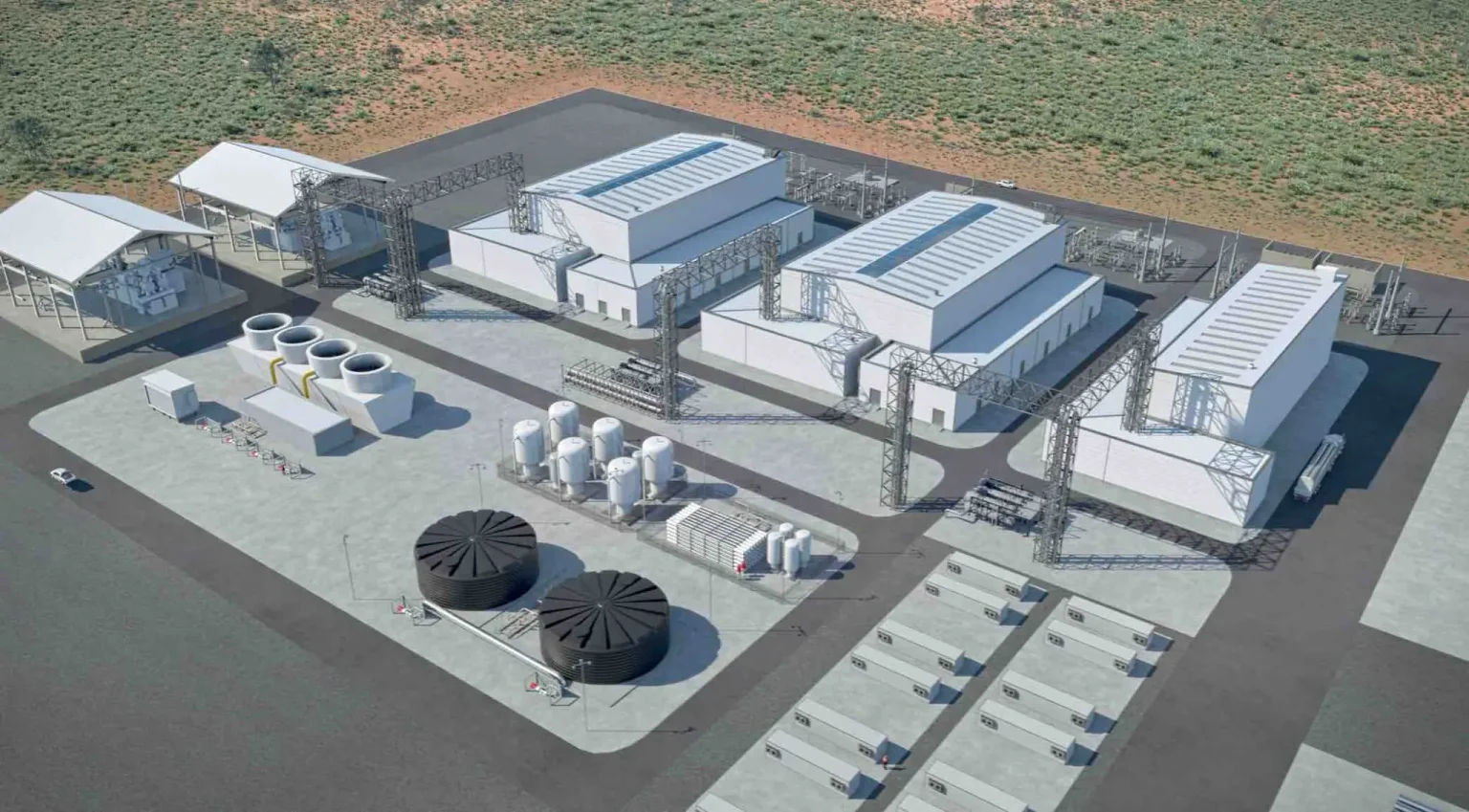
MASSIVE HYDROGEN PROJECT IN SOUTH AUSTRALIA POSTPONED.
The cost of generating electricity from renewable sources such as solar and wind in South Australia has declined significantly, with current prices under A$30 (US$19.35) per megawatt-hour.
- 1 year, 3 months
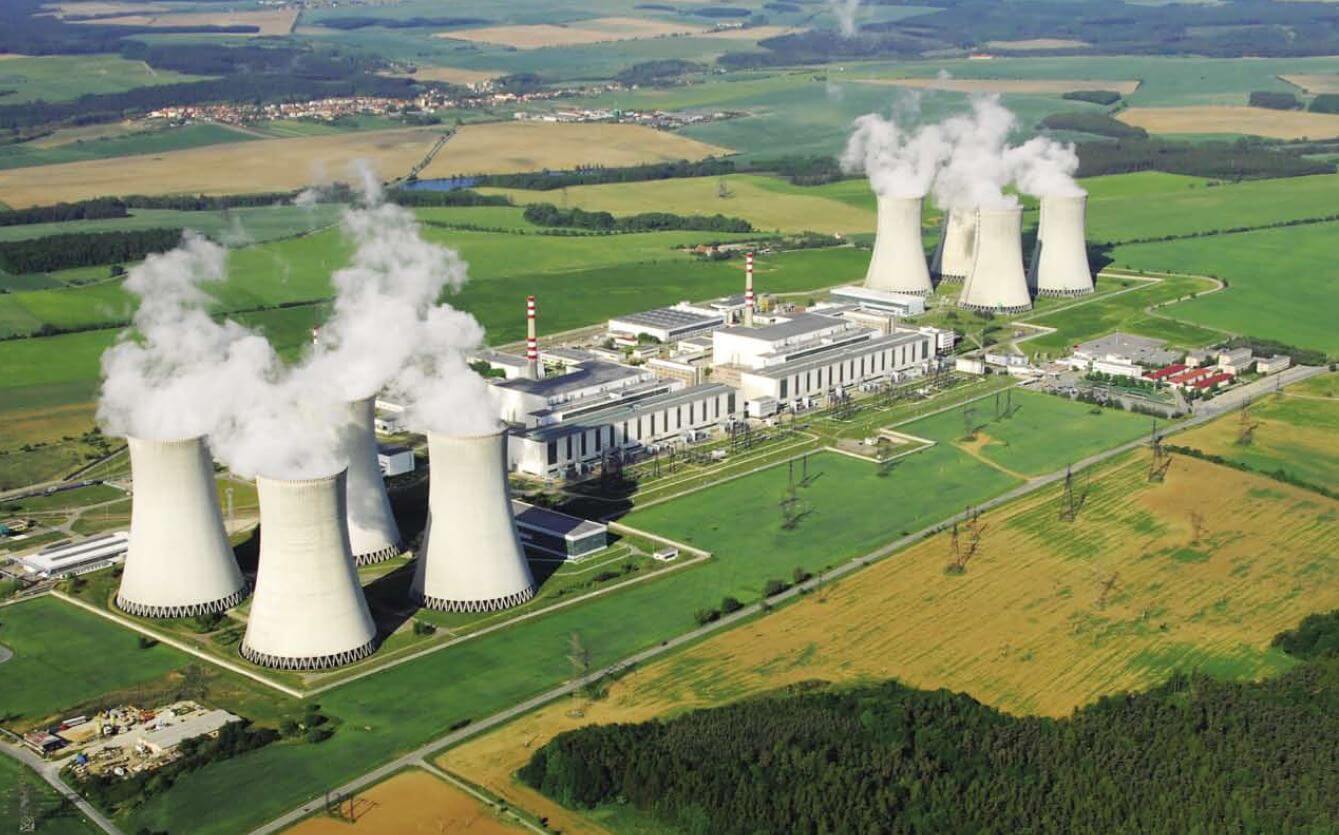
$19 BILLION NUCLEAR POWER DEAL SEIZED BY SOUTH KOREA.
South Korea is on the brink of finalizing a landmark $19 billion nuclear power deal, which is expected to significantly enhance its global profile as an exporter of nuclear reactor technologies for peaceful use.
- 1 year, 3 months
BIG OIL STAYS THE COURSE ON DIVIDENDS AND BUYBACKS DESPITE MARKET TURMOIL.
Despite a turbulent market and declining oil prices, the world’s biggest oil companies ExxonMobil, Shell and TotalEnergies have reaffirmed their commitment to shareholders by maintaining dividends and buybacks. While BP and Chevron dialed back share repurchases slightly for Q2, most firms exceeded Q1 earnings expectations and emphasized their resilience. With rising production and long-term, cost-cutting strategies, Big Oil is signaling strength and stability even as global uncertainty clouds the outlook for the rest of the year.
- 1 year, 3 months

Africa Energy Insights (AEI) is an African platform with latest news, insights and investment report of Energy Sectors. We bridging the gap and mobilizes investment in Energy resources for Sustainable and reliable Energy supply.