Blog
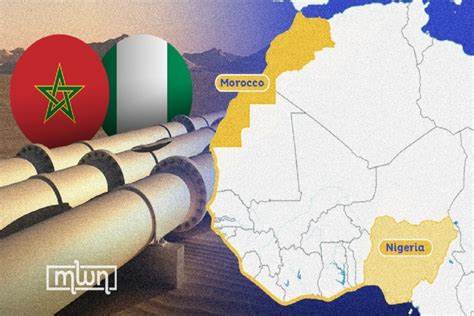
MOROCCO AND NIGERIA JOIN FORCES ON LANDMARK $25 BILLION GAS PIPELINE PROJECT.
In a world grappling with energy insecurity and shifting power dynamics, Africa is making a bold move that could reshape the global energy map. Morocco and Nigeria have sealed a historic $25 billion deal to construct a massive transcontinental gas pipeline, stretching across 13 countries and ending in Europe. This is more than just a pipeline it's a lifeline for regional development, a strategic lever in global energy diplomacy, and a clear signal that Africa is no longer waiting to be invited to the table it’s building its own. With a floating LNG terminal planned in Nador and major infrastructure ties already underway, this project has the potential to unlock economic growth across West Africa while offering Europe a stable and long-term energy partner. The stakes are high, the ambition is real, and the message is clear. Africa is ready to lead.
- 1 year, 3 months

BALLYMORE LAUNCHES; A STRATEGIC BOOST FOR GLOBAL OFFSHORE OIL PRODUCTON AND INVESTEMENT.
TotalEnergies and Chevron have officially launched the Ballymore oil field, a major milestone in offshore oil production. This innovative project is not only set to boost energy output but also highlights the evolving dynamics of global energy markets. With a focus on efficiency and sustainability, Ballymore offers a strategic opportunity for investors to tap into the growing demand for reliable energy resources. Read on to explore how this project could shape the future of energy and impact investment strategies worldwide.
- 1 year, 3 months
CHINA'S ABSENCE FROM UK ENERGY SUMMIT SIGNALS GROWING GEOPOLITICAL TENSIONS AND ITS IMPACT ON GLOBAL ENERGY COLABORATION.
China's decision to skip the UK-hosted energy summit marks a significant escalation in global geopolitical tensions, affecting energy security and clean energy goals. As the world's largest energy consumer, China's absence could shift the dynamics of international collaboration on climate and energy policies. This development is a crucial signal for anyone following the future of energy relations and the impact of diplomacy on global energy transitions.
- 1 year, 3 months

WORLD BANK FORECASTS OIL GLUT AND PRICE DROP IN 2025.
The World Bank warns that an oversupply of oil could drive prices to their lowest in five years, even if conflicts in the Middle East escalate. With global demand slowing especially in China and non-OPEC countries boosting production, the oil market is bracing for a major shift. What does this mean for economies, investors, and fuel prices worldwide? Click to read the full story.
- 1 year, 3 months
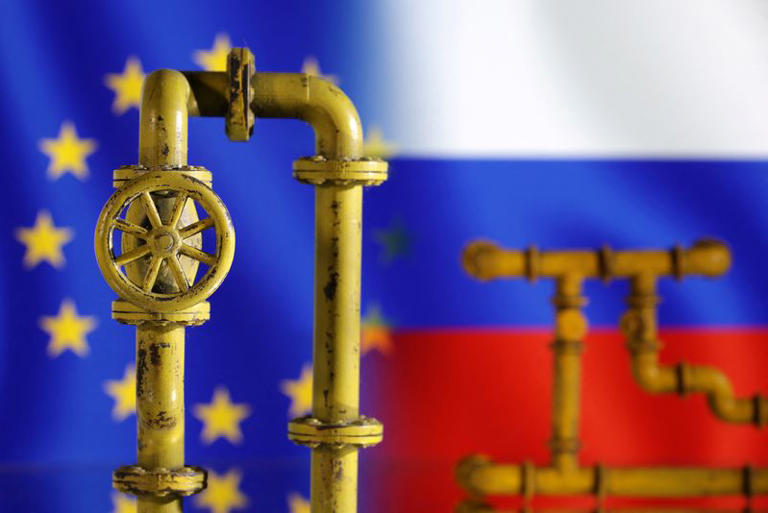
EU STRATEGY TO PHASE OUT RUSSIAN OIL AND GAS DUE IN MAY.
The European Commission will release a detailed plan on May 6 to phase out Russian oil and gas imports, aiming to end reliance by 2027. The roadmap has been delayed due to geopolitical factors, including U.S. trade policy and internal EU disagreements on Russian gas sanctions.
- 1 year, 4 months

OIL PRICES STABILIZE AMID MIXED SIGNALS.
Oil prices have stayed largely stable despite fluctuating U.S. trade policies and a dip in global demand forecasts. With President Trump considering tariff changes, a rebound in Chinese oil imports, and key geopolitical tensions, the market faces a delicate balance. Find out how these factors are shaping the future of global oil prices and what it means for consumers and businesses alike.
- 1 year, 4 months

Africa Energy Insights (AEI) is an African platform with latest news, insights and investment report of Energy Sectors. We bridging the gap and mobilizes investment in Energy resources for Sustainable and reliable Energy supply.