Blog
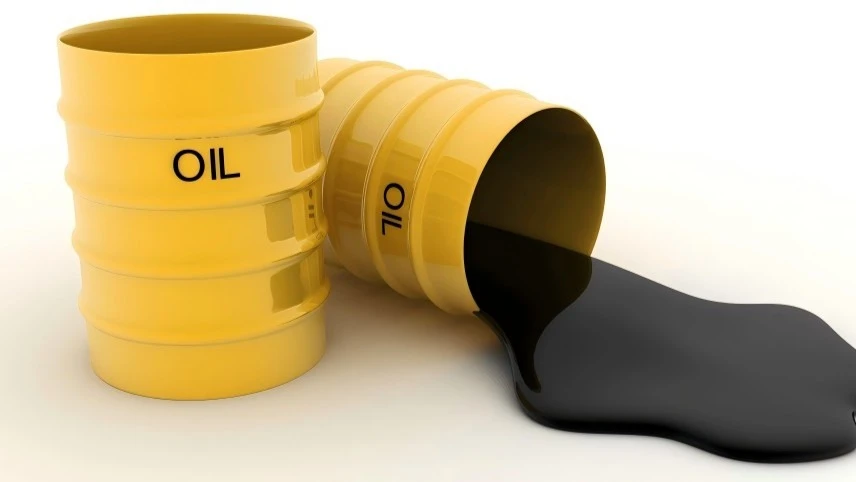
TANZANIA: NEXT ROUND OF OIL, GAS EXPLORATION BLOCKS LICENSING SET FOR MAY 2025.
Tanzania is set to launch a licensing round for oil and gas exploration blocks in May 2025, offering significant opportunities with 57 trillion cubic feet of natural gas reserves. This move aims to attract investment in oil, gas, and renewable energy while continuing efforts to develop its energy sector, including a $42 billion liquefied natural gas facility.
- 1 year, 4 months

TANZANIA EXPLAINS PURCHASE OF ELECTRICITY FROM ETHIOPIA THROUGH KENYA BORDER.
Tanzania is purchasing electricity from Ethiopia via Kenya to enhance its regional energy collaboration, with plans to both buy and sell electricity depending on demand. This arrangement complements Tanzania's growing energy infrastructure, including the nearly completed Julius Nyerere Hydroelectric Dam, which supports the country's electricity needs.
- 1 year, 5 months
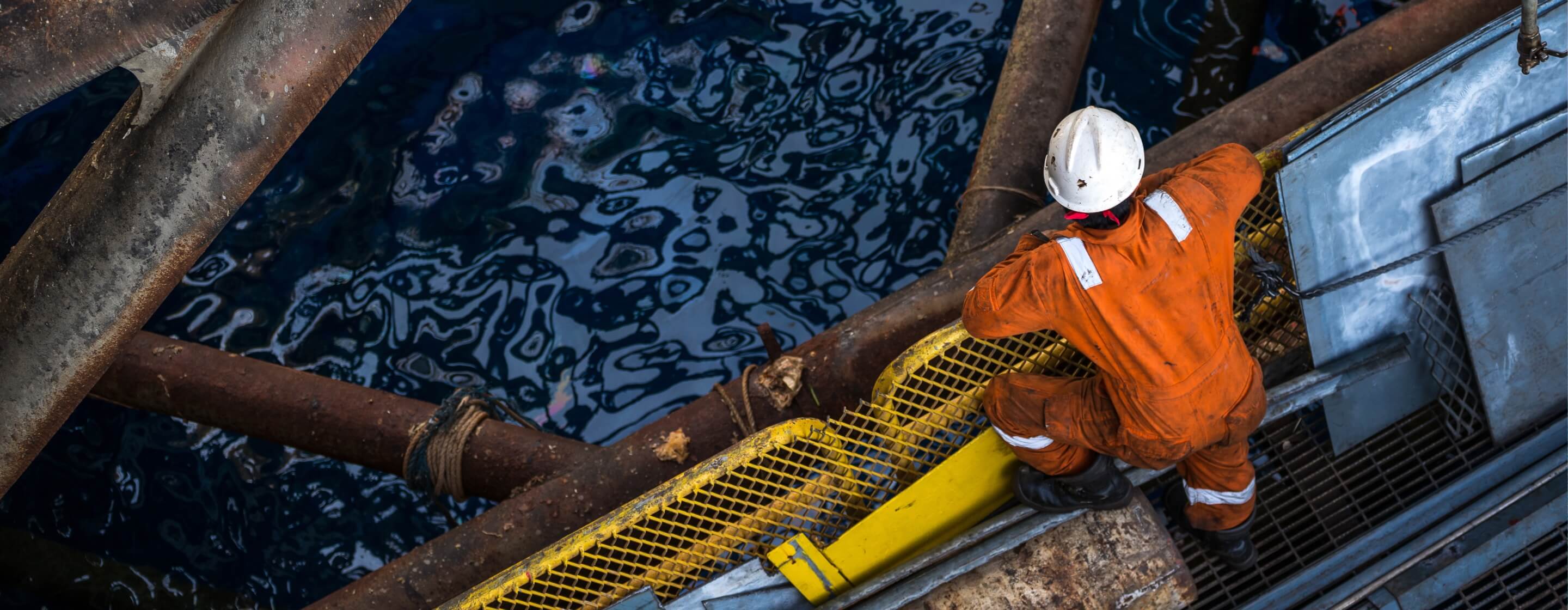
WATER WOES IN OIL AND GAS REGULATIONS ACROSS STATE LINES.
Oil and gas regulations in Texas and New Mexico, particularly in the Permian Basin, are becoming increasingly complex due to differing state laws on water management. With changes set to take effect in 2025, companies must navigate these challenges to ensure compliance and sustainability across state lines.
- 1 year, 5 months

CHINA: CREATING DUSTPROOF SOLAR PANELS.
A leading Chinese company, Longi, has introduced a new line of dustproof solar panels, continuing its commitment to providing sustainable energy solutions.
- 1 year, 5 months

OIL COMPANIES ANNOUNCE HEFTY ROLLBACK IN FUEL PRICES.
Oil companies have announced a significant price rollback on diesel, gasoline, and kerosene, effective March 11, following a decrease in global oil prices. The Department of Energy also urged compliance with the LPG Industry Regulation Act (LIRA) to ensure safety and prevent penalties in the LPG sector.
- 1 year, 5 months
PRESIDENT HUSSEIN ALI MWINYI CALLS FOR REGIONAL PETROLEUM FUND TO BOOST OIL, GAS INDUSTRY.
Zanzibar President Hussein Ali Mwinyi has called on EAC member states to establish a regional petroleum fund to address financing challenges in the oil and gas sector, citing global activism and shifting priorities of traditional financiers as major obstacles. He emphasized the need for financial independence, regional cooperation, and infrastructure development to secure East Africa’s energy future.
- 1 year, 5 months

Africa Energy Insights (AEI) is an African platform with latest news, insights and investment report of Energy Sectors. We bridging the gap and mobilizes investment in Energy resources for Sustainable and reliable Energy supply.