Blog
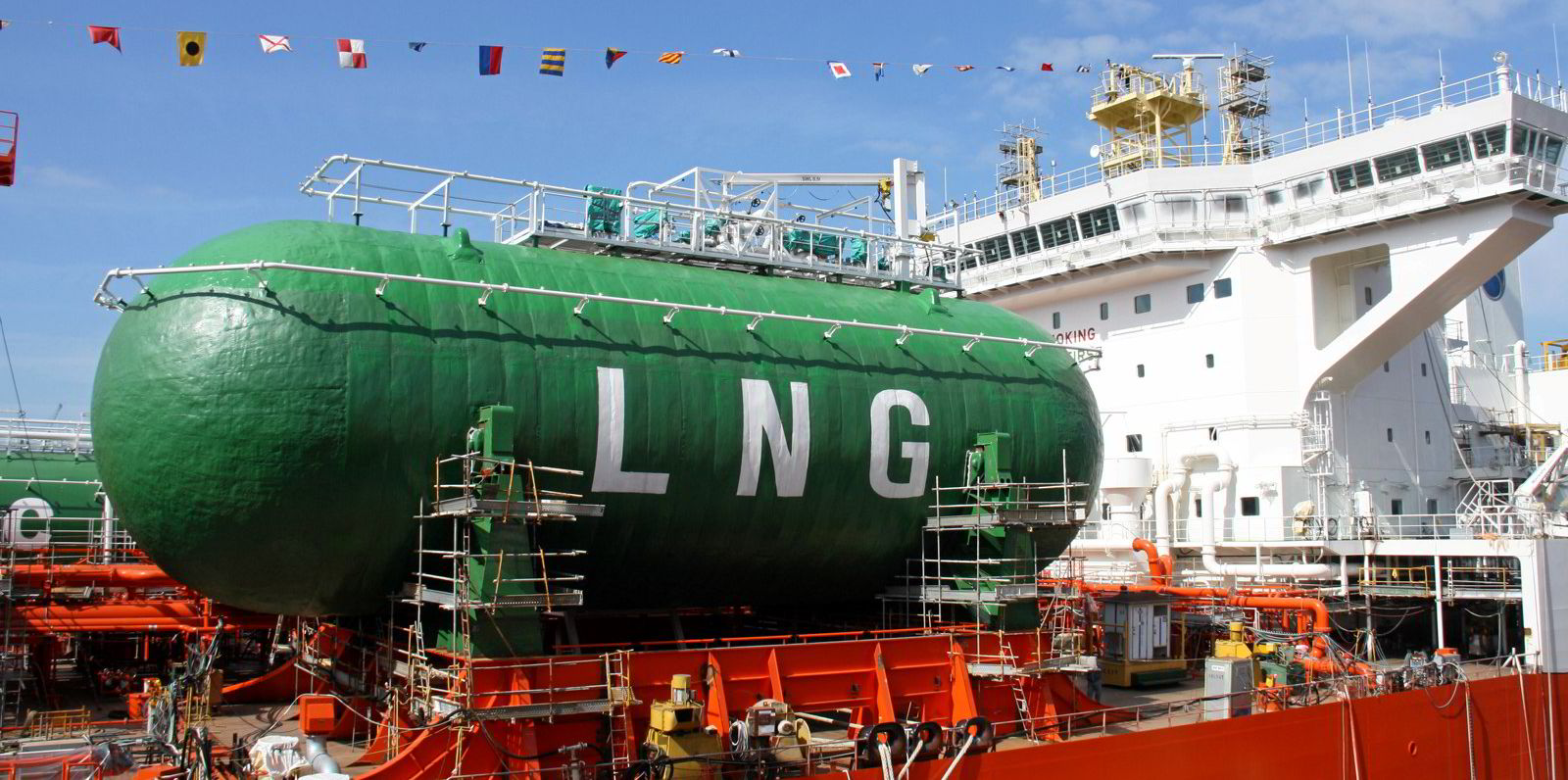
CHINA’S LNG IMPORTS SLUMP TO 5-YEAR LOW.
China's LNG imports fell to a five-year low of 4.5 million tons in February due to weak demand, lower industrial activity, and high gas storage levels. Additionally, a 15% retaliatory tariff on U.S. LNG imports could further impact future trade flows and long-term energy agreements.
- 1 year, 5 months

75MW NET-METERED INTO NATIONAL POWER GRID.
Zimbabwe has integrated 75MW of net-metered solar power into the national grid, with the government urging more investments in solar energy. Recent policy changes now allow individuals and businesses to feed up to 5MW of excess solar power into the grid, boosting renewable energy adoption.
- 1 year, 5 months
SHELL SEES LNG DEMAND JUMPING 60% BY 2040.
Shell forecasts a 60% rise in global LNG demand by 2040, driven by Asia’s economic growth, decarbonization efforts, and AI energy needs. Despite short-term uncertainties, LNG supply is set to expand, with the U.S. and Qatar leading production growth.
- 1 year, 5 months

BP SLASHES GREEN INVESTMENT.
BP plans to cut its renewable energy investments and increase oil and gas production due to investor pressure over low profits. This shift follows a broader industry trend, with major oil companies scaling back green energy commitments despite environmental concerns.
- 1 year, 5 months

SHARE OF RENEWABLE ENERGY IN MOROCCO'S ELECTRICITY MIX RISES TO 24%.
Morocco's electricity mix has experienced significant progress over the past year, with a notable increase in the share of renewable energy and a decline in coal's dominance.
- 1 year, 5 months

OIL RISES ON RUSSIA DISRUPTION WORRIES, US FUEL STOCKS DRAW.
Oil prices rose for the third consecutive day due to falling US fuel inventories and concerns over Russian supply disruptions. While US crude stockpiles increased, gasoline and distillate supplies declined, supporting price gains. Geopolitical tensions, including Russian attacks on Ukrainian gas infrastructure and disruptions in Kazakh oil exports, further fueled supply concerns. However, economic uncertainties, including potential trade tariffs and weakening global demand, could limit future price increases.
- 1 year, 5 months

Africa Energy Insights (AEI) is an African platform with latest news, insights and investment report of Energy Sectors. We bridging the gap and mobilizes investment in Energy resources for Sustainable and reliable Energy supply.