Power Grid
BELGIUM STOPS NUCLEAR PHASE-OUT.

Irene Jerry
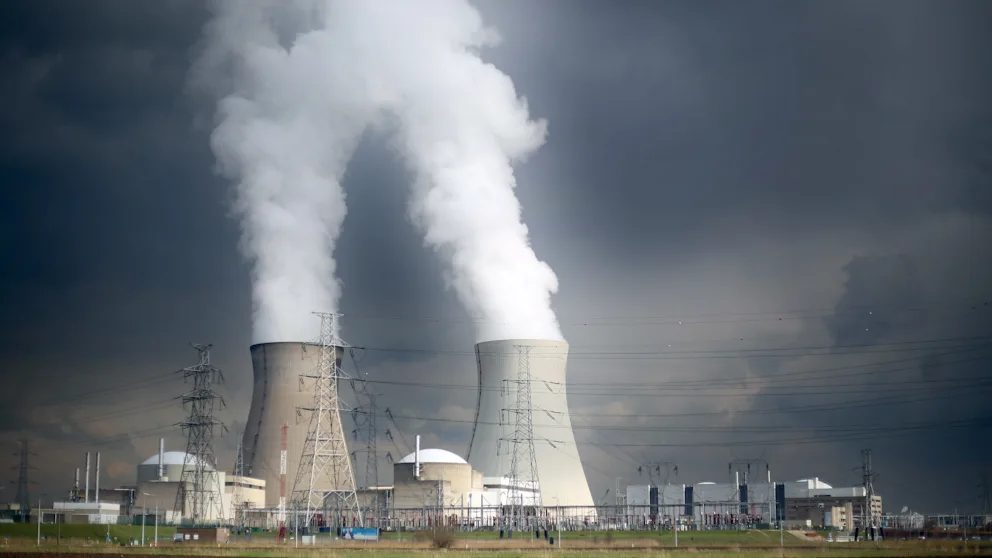
Belgium has abruptly shifted course in its climate and energy policy by halting the dismantling of all nuclear reactors. Instead of continuing with decommissioning, the government has opened negotiations with Engie, the previous operator, over a possible state takeover of the country’s nuclear fleet. The move signals a dramatic rethink of the country’s earlier plan to phase out nuclear power entirely.
Prime Minister Bart De Wever announced that Belgium and Engie have reached an agreement to define conditions and begin studies for a full transfer of ownership. Until those discussions progress, all dismantling activities will be paused immediately. Both parties confirmed the development in a joint statement, emphasizing that stopping the decommissioning process keeps every strategic option open for the Belgian state. This follows last year’s parliamentary decision to reverse the nuclear phase-out policy.
De Wever, leader of the New Flemish Alliance, has defended the policy shift as necessary for energy security and stability. He argues that the government is prioritizing reliable, affordable, and sustainable energy while reducing dependence on imported fossil fuels. Greater national control over electricity generation is also a central objective of the new approach.
At present, only two reactors remain operational in Belgium one at the Doel Nuclear Power Plant near the Dutch border and another at the Tihange Nuclear Power Plant close to Liège. Both were originally scheduled to shut down earlier, but their lifespans were extended to 2035.
Comments

Africa Energy Insights (AEI) is an African platform with latest news, insights and investment report of Energy Sectors. We bridging the gap and mobilizes investment in Energy resources for Sustainable and reliable Energy supply.