Oil & Gas
BRENT OIL FALLS TO LOWEST LEVEL SINCE MARCH AS MARKETS BET ON U.S.-IRAN PEACE DEAL.
JUMA SULEIMAN
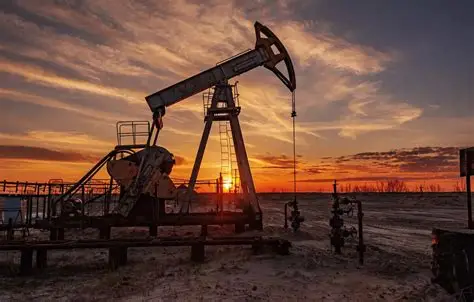
From a business perspective, oil markets reacted strongly to reports that the United States and Iran are nearing a memorandum of understanding that could halt the conflict in the Gulf. Brent crude futures settled at $87.33 per barrel, down 3.37%, while U.S. West Texas Intermediate (WTI) crude closed at $84.88 per barrel, down 3.23%, marking WTI’s lowest level since April. Analysts said the possibility of resumed oil flows through the Strait of Hormuz significantly reduced market fears over supply shortages. Traders believe reopening the Strait of Hormuz could restore stability to global shipping routes that normally handle around one-fifth of the world’s oil and liquefied natural gas flows. Market sentiment was also influenced by reports that final negotiations between Washington and Tehran are focusing mainly on nuclear and economic matters.
Economically, the decline in crude prices is offering temporary relief to global markets that have struggled with rising fuel costs and inflationary pressure during the conflict. Lower oil prices could ease transportation and manufacturing costs worldwide while helping governments reduce pressure on consumers already facing high living expenses. However, analysts warned that global oil inventories remain critically low despite improving optimism around a peace agreement. Energy experts caution that even if a deal is reached, supply chains and oil exports may take weeks or months to fully normalize due to logistical disruptions and depleted stockpiles. ING analysts also warned that if oil flows do not resume before late July, prices could quickly surge again toward $120 to $130 per barrel because of tightening inventories and stronger seasonal demand.
Geopolitically, the potential agreement between the United States and Iran is being viewed as one of the most significant diplomatic developments in global energy markets this year. U.S. President Donald Trump recently cancelled planned air strikes against Iran, while negotiations reportedly continue over nuclear and economic issues. Although Iran previously threatened a full closure of the Strait of Hormuz and warned it would target ships attempting to cross, markets are increasingly confident that diplomacy may prevent a wider regional escalation. The outcome of the U.S.-Iran negotiations is expected to play a major role in determining future stability across global energy markets and the broader Middle East region. Meanwhile, OPEC has already lowered its global oil demand growth forecast for 2026, reflecting concerns about slowing economic activity and uncertainty in the energy sector despite expectations of a long-term rebound in demand.
Comments

Africa Energy Insights (AEI) is an African platform with latest news, insights and investment report of Energy Sectors. We bridging the gap and mobilizes investment in Energy resources for Sustainable and reliable Energy supply.