Power Grid
CHINA GENERATES LESS THAN HALF OF ITS ELECTRICITY FROM COAL FOR THE FIRST TIME.

Irene Jerry
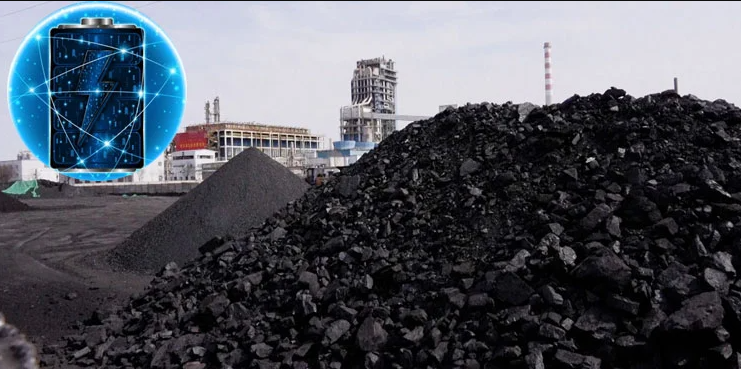
China, the world's largest consumer of coal, generated less than half of its electricity from the fossil fuel during the first six months of the year through June, marking a historic milestone in its energy transition.
According to the country's energy administration, coal accounted for 49.7% of electricity generation, the first time its share has fallen below the 50% threshold as China continues to expand its renewable energy capacity.
Renewable energy sources contributed a record 41.2% of the country's power mix during the same period, surpassing the 40% mark for the first time. Wind and solar energy made up 24.6% of total electricity generation, while natural gas and nuclear power supplied the remaining share.
The figures reflect China's continued investment in cleaner energy as it works toward reducing its reliance on coal.
Despite coal's declining share in the electricity mix, analysts expect the country's overall coal consumption could still rise this year due to rapidly growing power demand. Increased adoption of electric vehicles, expansion of artificial intelligence data centres, and continued export growth are driving higher electricity use.
Although China has pledged that coal consumption will peak no later than 2030, experts believe renewable energy is expanding fast enough to meet future demand. Greenpeace East Asia projects that the country's target of generating 30% of electricity from wind and solar by 2030 could be achieved as early as 2028, supported by wider deployment of rooftop solar systems paired with battery storage.
Compared with other major economies, China remains more dependent on coal because it has abundant domestic coal reserves and relatively limited natural gas resources. In the United States, coal accounted for just 17% of utility-scale electricity generation in 2025, while natural gas supplied 41%.
However, China's reliance on coal is still lower than that of India, where coal and lignite together generated 69% of electricity last year.
Comments

Africa Energy Insights (AEI) is an African platform with latest news, insights and investment report of Energy Sectors. We bridging the gap and mobilizes investment in Energy resources for Sustainable and reliable Energy supply.