Oil & Gas
CHINA INVOKES ANTI-SANCTIONS LAW IN ESCALATION AGAINST U.S. BLACKLISTING.
JUMA SULEIMAN
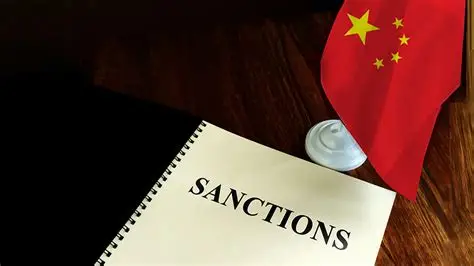
China has formally invoked its anti-sanctions law to prohibit domestic companies from complying with U.S. restrictions targeting several refiners, including Hengli Petrochemical. The directive from China’s Ministry of Commerce marks the first active use of this law, enabling Beijing to retaliate against foreign sanctions it considers unlawful.
Business
The move creates a major challenge for international companies operating across both jurisdictions. Firms now face a direct legal conflict complying with U.S. sanctions could violate Chinese law, while ignoring them could trigger penalties from Washington. This increases operational risk for traders, banks, insurers, and energy firms, especially those with global exposure. Some companies may attempt to seek exemptions, but uncertainty remains high, potentially slowing transactions and reshaping trade partnerships.
Economic
China’s decision could reshape global oil trade flows, particularly for Iranian crude, which is largely absorbed by independent Chinese refiners. By protecting these purchases, Beijing may sustain a steady supply of discounted oil for its domestic market while weakening U.S. efforts to curb Iran’s oil revenues. This could stabilize supply for China but contribute to price volatility globally, especially as markets are already under pressure from broader geopolitical disruptions.
Geopolitical
The move signals a clear escalation in tensions between China and the United States, highlighting a broader shift toward economic confrontation using legal and regulatory tools. Its timing just ahead of a planned visit by Donald Trump to Beijing underscores China’s willingness to assert its position despite ongoing diplomatic engagement. The development reflects a growing global trend where major powers increasingly use economic laws and sanctions to compete for influence, particularly in strategic sectors like energy.
Comments

Africa Energy Insights (AEI) is an African platform with latest news, insights and investment report of Energy Sectors. We bridging the gap and mobilizes investment in Energy resources for Sustainable and reliable Energy supply.