Oil & Gas
CHINA SEEKS MORE RUSSIAN GAS VIA EXISTING PIPELINE AS NEW PROJECT STALLS.
JUMA SULEIMAN
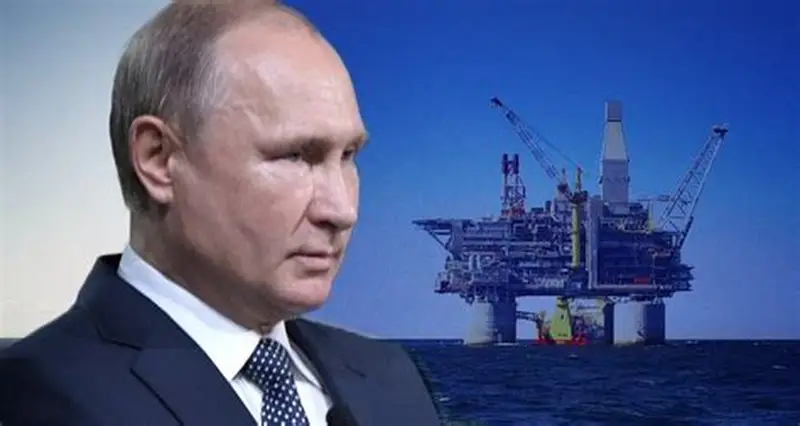
From a business perspective, Gazprom and China National Petroleum Corporation (CNPC) are in discussions to boost supplies through Power of Siberia 1 by as much as 6 billion cubic meters annually from 2031. This would lift current flows beyond the pipeline’s 38 bcm capacity, a move that could deliver Gazprom up to $1.5 billion in additional revenue per year. While the long-planned $13.6 billion Power of Siberia 2 was designed to redirect West Siberian output to China, disputes over pricing and financing have stalled progress. In the meantime, China’s state-owned PipeChina is studying ways to expand its domestic infrastructure to absorb more Russian gas, with construction potentially beginning in 2026.
On the economic front, the stalled Power of Siberia 2 project highlights Moscow’s urgent need to secure new revenue streams after losing most of its European gas market—once worth up to $90 billion annually. For China, the calculus is different: rising domestic gas production and an aggressive push into renewables reduce immediate demand for imports. However, Beijing still sees value in diversifying supply lines, particularly through overland pipelines less vulnerable to maritime disruptions. Future imports from Sakhalin, set to begin in 2027 with a planned 10 bcm per year, could further enhance this economic partnership.
The geopolitical stakes remain significant. Russia’s pivot to Asia is a direct response to Western sanctions following its invasion of Ukraine, with energy exports forming a central pillar of Moscow’s strategy to maintain global influence. For Beijing, deepening energy ties with Russia bolsters its security of supply while also offering leverage in negotiations, as Chinese policymakers weigh geopolitical risks against commercial advantages. Washington and Brussels will be watching closely: greater Russia-China energy alignment could complicate Western efforts to isolate Moscow and reshape global gas trade patterns.
Comments

Africa Energy Insights (AEI) is an African platform with latest news, insights and investment report of Energy Sectors. We bridging the gap and mobilizes investment in Energy resources for Sustainable and reliable Energy supply.