Power Grid
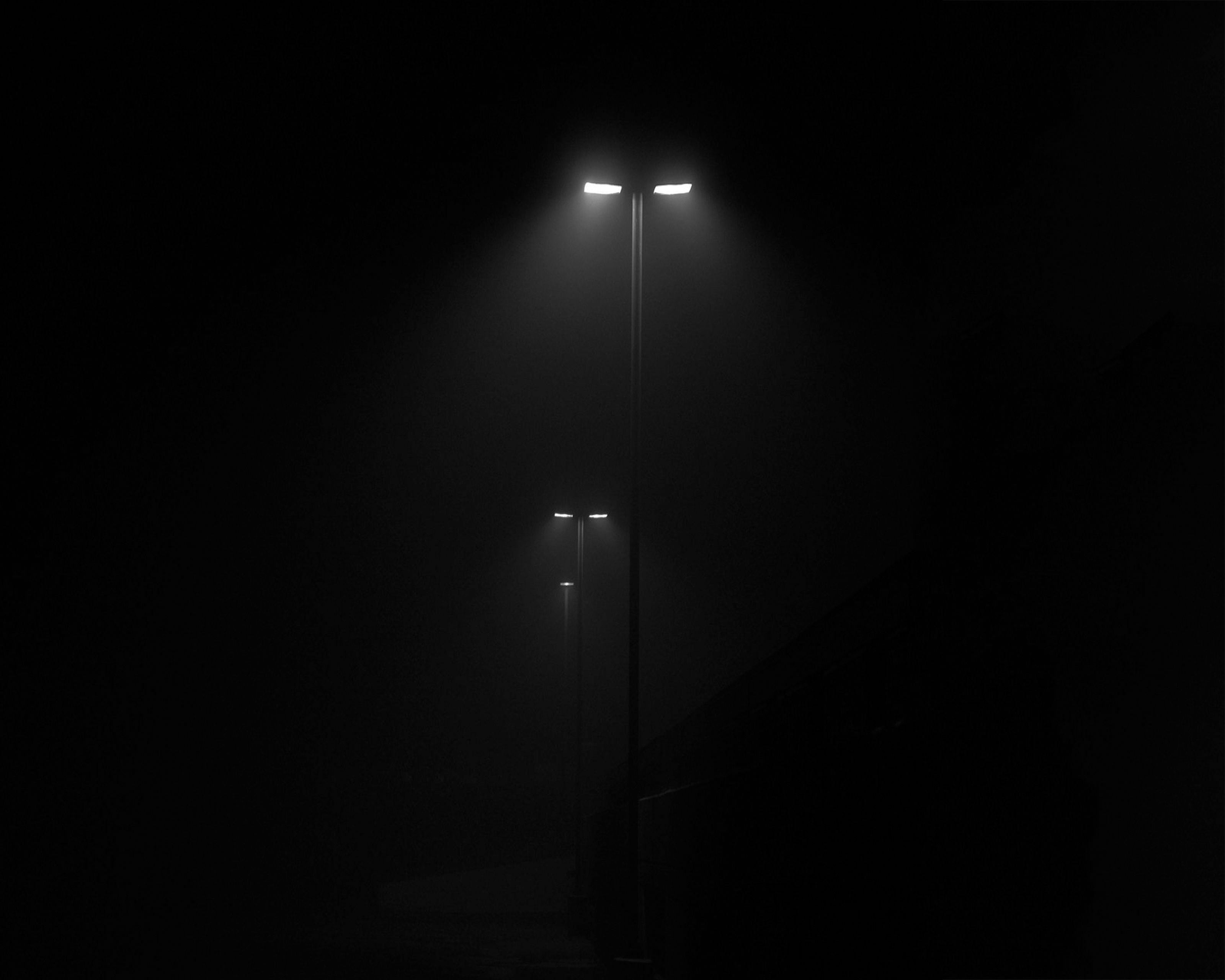
CUBA'S POWER GRID FAILS FOR SECOND TIME THIS WEEK, PLUNGING COUNTRY INTO DARKNESS.
Irene Jerry
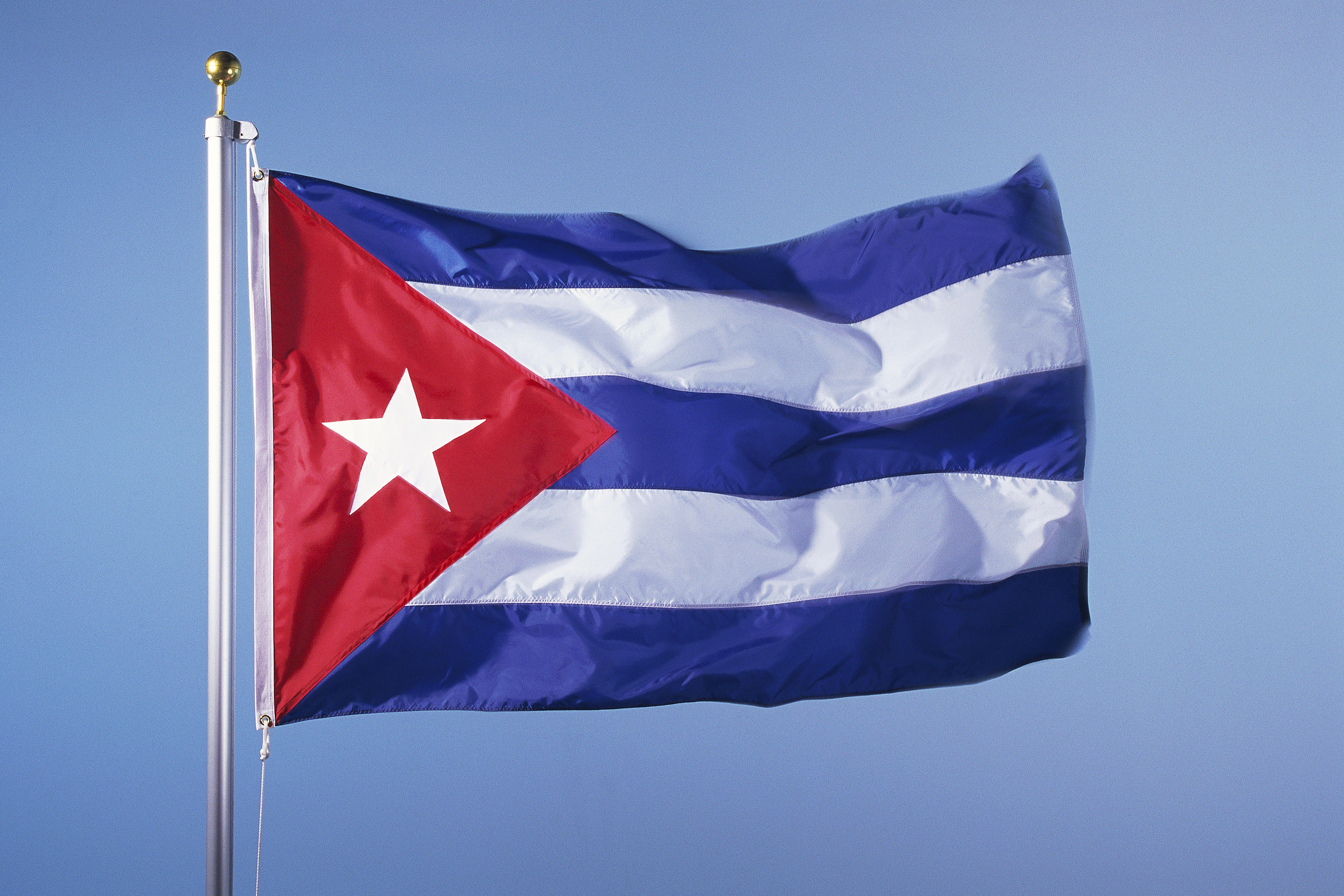
Cuba's national electrical grid collapsed again on Friday, marking the country's second nationwide blackout in the same week and the fourth major outage this year. The repeated failures have been linked to a severe fuel shortage and an aging power generation system, which Cuban officials say has been worsened by a U.S.-imposed oil blockade.
Energy Minister Vicente de la O Levy said authorities were working to restore the National Electric Power System despite the significant challenges facing the country. The latest collapse came just days after power had been largely restored following Monday's blackout, which left nearly all of Cuba's 10 million residents without electricity.
The prolonged power crisis has taken a heavy toll on ordinary Cubans. Yailin Fis Garcia, who recently opened the La Criolla café in central Havana, said the latest blackout caused food to spoil, resulting in financial losses for her family business. She added that electricity in her neighborhood has been available for only one or two hours a day over the past month.
Many residents have adapted to the frequent outages by keeping flashlights close at hand, while others say the worsening energy shortages have made daily life increasingly difficult. The recurring blackouts have also fueled public frustration, triggering scattered protests in Havana following Monday's outage.
The Cuban government attributes the crisis largely to U.S. sanctions and the oil blockade, arguing that the measures have disrupted fuel supplies after Venezuela, once Cuba's main oil supplier, and later Mexico reduced or halted shipments.
Cuban officials describe the restrictions as a major factor behind the country's inability to maintain its aging electricity infrastructure. In contrast, the United States maintains that Cuba's power crisis stems from years of economic mismanagement under the island's state-run system and continues to call for democratic reforms and the release of political prisoners.
The issue has also drawn international attention at the United Nations. During a recent General Assembly debate, U.S. Ambassador Mike Waltz blamed the Cuban government for the blackouts, urging Havana to change its policies. However, many other countries called for an end to the U.S. sanctions, arguing that they have severely damaged Cuba's economy.
Cuban Foreign Minister Bruno Rodríguez Parrilla condemned the sanctions as a form of "collective punishment," saying they violate the rights of the Cuban people. Following Friday's blackout, he described the week as one of the most difficult in recent memory, citing repeated grid failures, critical fuel shortages, and multiple power plants remaining out of service.
Comments

Africa Energy Insights (AEI) is an African platform with latest news, insights and investment report of Energy Sectors. We bridging the gap and mobilizes investment in Energy resources for Sustainable and reliable Energy supply.