Oil & Gas
DANGOTE'S LAMU REFINERY PROJECT MOVES CLOSER AS CONSTRUCTION TARGETED FOR 2026.
JUMA SULEIMAN
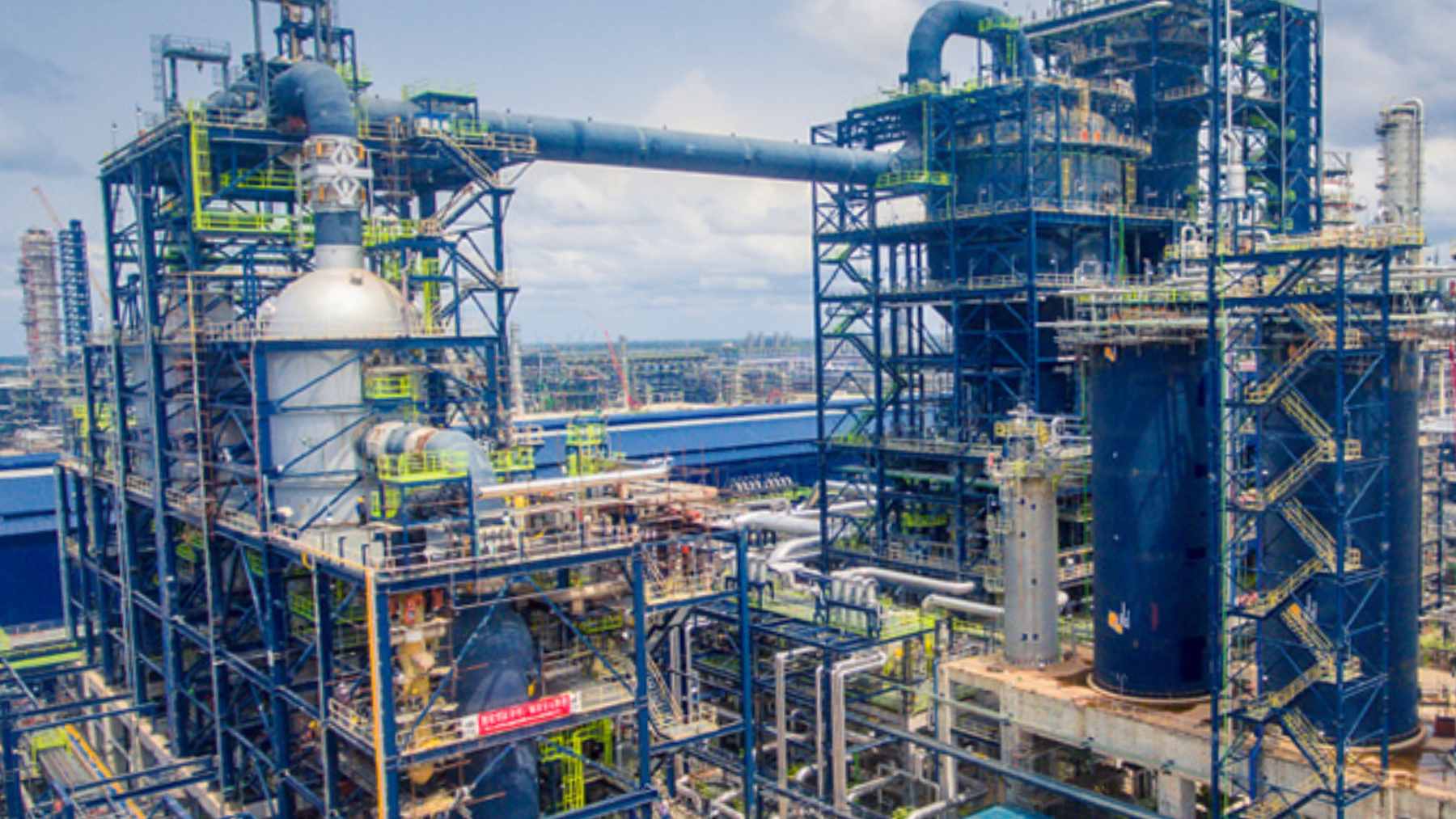
Dangote Industries is moving closer to launching one of Africa's most ambitious energy projects, with construction of its proposed oil refinery in Lamu, Kenya, expected to begin before the end of 2026. President William Ruto's economic advisor, David Ndii, recently confirmed the timeline, while company officials say site selection has been finalized, soil testing is underway, and engineering work has already started. The planned refinery would process up to 700,000 barrels of crude oil per day, making it the largest refinery in East Africa and a major step toward reducing the region's dependence on imported fuel.
The refinery is expected to strengthen energy security by supplying Kenya and neighboring countries with refined petroleum products, reducing reliance on imports from the Middle East. Supporters believe the project could stabilize fuel supplies, boost regional trade, and create thousands of jobs during construction and operation. However, analysts note that fuel prices will still depend on global crude oil markets, taxes, transportation costs, and refinery operating efficiency.
Despite its economic promise, the project faces significant environmental and regulatory hurdles. Lamu's coastline is home to sensitive mangrove ecosystems and the UNESCO-listed Lamu Old Town, meaning extensive environmental assessments and public consultations will be required before construction can fully proceed. Kenyan authorities will also need to ensure strict safeguards are in place to manage emissions, wastewater, shipping activity, and the potential impact on local fishing communities and natural habitats.
Financing remains another key challenge. The project is expected to cost between $16 billion and $20 billion, with funding likely to come from a combination of Dangote's internal resources, bonds, and proceeds from a future public offering. Before ground is broken, the refinery must still secure final environmental approvals, financing agreements, engineering contracts, and crude supply deals. If successfully completed, the facility could reshape East Africa's fuel market, but its long-term success will depend on transparent governance, careful planning, and responsible environmental management.
Comments

Africa Energy Insights (AEI) is an African platform with latest news, insights and investment report of Energy Sectors. We bridging the gap and mobilizes investment in Energy resources for Sustainable and reliable Energy supply.