Power Grid
ELECTRICITY SHORTAGES DIM NIGERIA'S EV CHARGE.

Irene Jerry
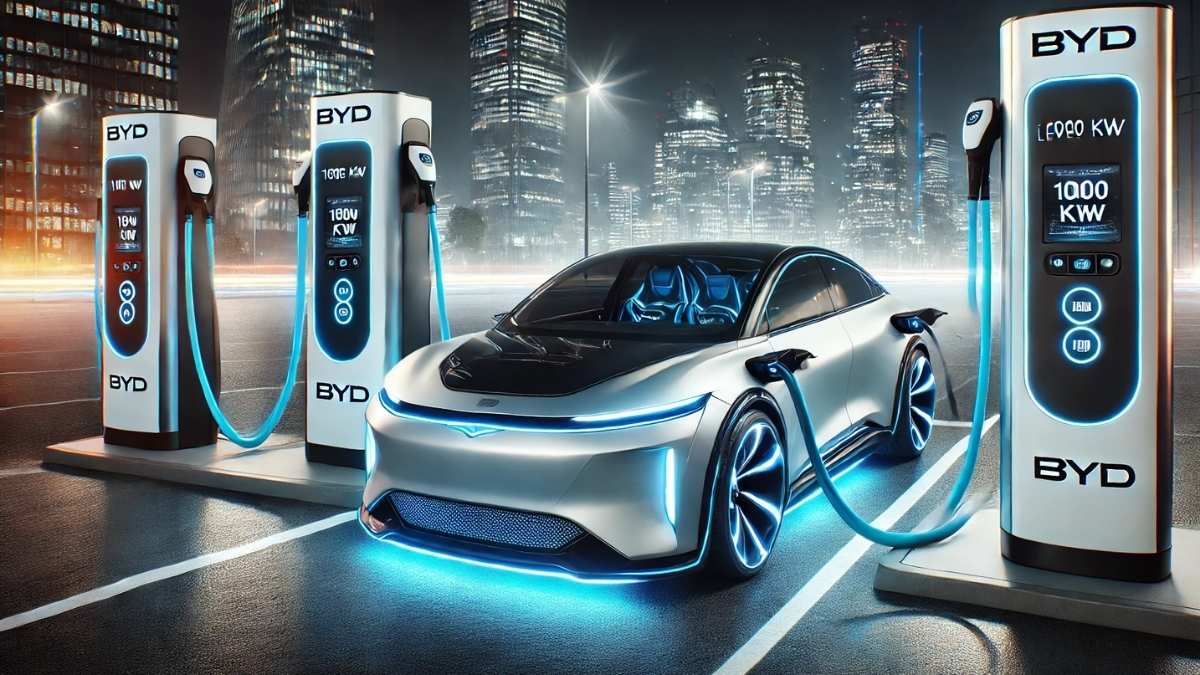
Nigeria’s push toward electric vehicles (EVs) is facing a major challenge: an unreliable electricity supply. The country is encouraging EV adoption as petrol prices remain high following the removal of fuel subsidies, but its national grid produces only around 4,000 megawatts for a population of more than 200 million people.
Frequent power outages mean many households and businesses rely on petrol or diesel generators, making it difficult for EV owners to charge their vehicles consistently.
The government has introduced several measures to encourage the transition, including tax exemptions and reduced import duties on electric vehicles. In the first half of 2026, nearly 4,000 EVs reportedly received tax exemptions, while the country aims for electric vehicles to account for 60% of its vehicle fleet by 2050.
Despite these incentives, EVs still make up less than 1% of Nigeria’s vehicles, partly because charging infrastructure remains limited.
Nigeria has only a small number of public charging stations, most of them concentrated in major cities such as Lagos and Abuja. Many EV owners therefore charge their vehicles at home, where power outages can create serious difficulties.
Charging businesses have also had to rely on diesel and petrol generators as backup power, increasing costs and reducing some of the environmental benefits associated with electric vehicles.
The electricity challenge is also influencing the type of electric mobility gaining popularity in Nigeria. Hybrid and extended-range vehicles, which can use fuel when battery power is unavailable, are becoming more attractive, while electric motorcycles and tricycles offer another promising option.
Battery-swapping stations can allow motorcycle riders to replace depleted batteries quickly instead of waiting for electricity to return. Overall, Nigeria’s EV transition is likely to depend not only on vehicle incentives but also on improving electricity supply and expanding alternative charging solutions such as solar power and battery swapping.
Comments

Africa Energy Insights (AEI) is an African platform with latest news, insights and investment report of Energy Sectors. We bridging the gap and mobilizes investment in Energy resources for Sustainable and reliable Energy supply.