Power Grid
MALAWI INSTALLS FIRST UTILITY-SCALE BATTERY TO STORE SOLAR POWER.

Irene Jerry
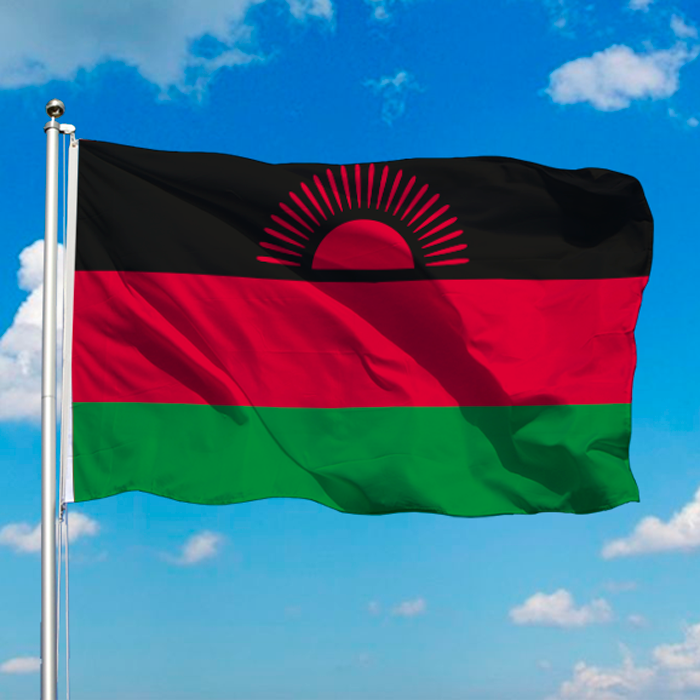
Malawi has commissioned southern Africa's only utility-scale battery energy storage system outside South Africa and Namibia, marking a significant milestone in the country's efforts to strengthen its electricity network. The 20-megawatt battery facility was officially switched on by the Electricity Supply Corporation of Malawi (ESCOM) over the weekend and is expected to improve grid stability in one of the world's least electrified nations.
The project comes as Malawi faces growing climate-related challenges that threaten its electricity supply. The country depends heavily on hydropower generated from the Shire River, but reduced river flows caused by a strong El Niño weather pattern are expected to affect power generation.
Malawi is also still recovering from the extensive damage Cyclone Freddy inflicted on key hydropower infrastructure three years ago.
Currently, only about 25% of Malawians have access to electricity, although the government aims to increase that figure to 70% by 2030. Hydropower accounts for roughly two-thirds of the country's electricity production, while solar contributes about 100 megawatts of its total installed generation capacity of 580 megawatts.
Speaking during the commissioning ceremony in Lilongwe, Energy Minister Jean Mathanga said the battery project would provide reliable electricity needed to support hospitals, schools, and businesses across the country.
The battery storage system was financed by the Global Energy Alliance for People and Planet and is expected to connect an additional 600,000 households to the national grid. According to ESCOM Chief Operations Officer Sinosi Maliyano, the facility will also reduce the duration of power outages from an average of four hours to less than two hours.
Building on this achievement, Malawi plans to install three more battery storage facilities with a combined capacity of 60 megawatts in two other cities.
Comments

Africa Energy Insights (AEI) is an African platform with latest news, insights and investment report of Energy Sectors. We bridging the gap and mobilizes investment in Energy resources for Sustainable and reliable Energy supply.