Oil & Gas
NIGERIA'S OIL PRODUCTION HITS SIX-YEAR HIGH AS MIDDLE EAST RISKS RETURN

Irene Jerry
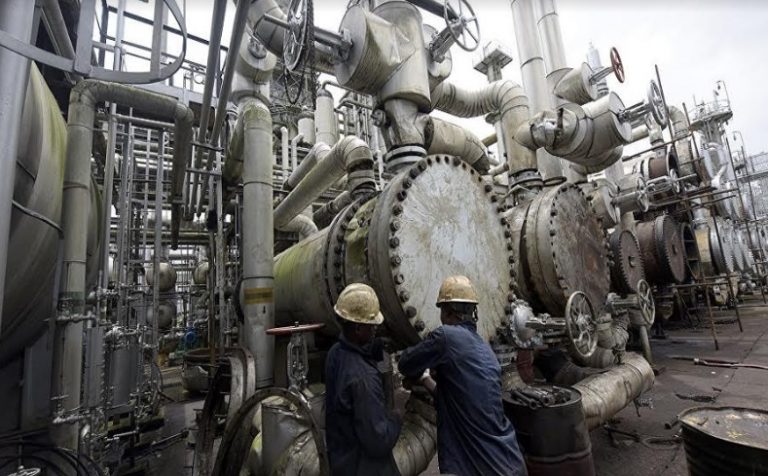
Nigeria’s crude oil production climbed to its highest level in six years in June, reflecting improved operational stability across the country’s oil sector. According to the Nigerian Upstream Petroleum Regulatory Commission (NUPRC), crude oil output averaged 1.56 million barrels per day (bpd), the highest monthly figure since April 2020. The increase comes as renewed tensions in the Middle East, particularly involving Iran and the Strait of Hormuz, raise concerns over global oil supply.
The country’s combined crude oil and condensate production rose for the fourth consecutive month to 1.735 million bpd. The NUPRC attributed the stronger performance to stable production activities, uninterrupted operations at most producing assets, and the absence of major pipeline disruptions. Improved operational efficiency also enhanced crude evacuation, enabling Nigeria to exceed its OPEC+ crude oil production quota by producing 104% of its allocated 1.5 million bpd in June. Peak combined output reached 1.89 million bpd, underscoring the country's potential to achieve production of 2 million bpd in the near future.
Nigeria’s oil output has maintained a steady upward trajectory throughout 2026, with total crude and condensate production increasing from 1.48 million bpd in February to 1.735 million bpd in June. This marks a significant turnaround for Africa’s largest oil producer, which had struggled in recent years to meet its OPEC+ targets due to pipeline vandalism, oil theft, and sabotage that frequently disrupted exports.
The recent improvement has been supported by intensified efforts to curb oil theft and secure infrastructure in the Niger Delta. As global markets respond to supply uncertainties linked to geopolitical tensions in the Middle East, Nigeria is seeking to capitalize by boosting production further. Authorities are targeting an immediate increase of 100,000 bpd, while the Nigerian National Petroleum Company (NNPC) remains committed to raising national oil production to 2 million bpd within the next two years.
Comments

Africa Energy Insights (AEI) is an African platform with latest news, insights and investment report of Energy Sectors. We bridging the gap and mobilizes investment in Energy resources for Sustainable and reliable Energy supply.