Oil & Gas
OIL FALLS TO THREE-MONTH LOW AS U.S.-IRAN PEACE DEAL SIGNALS RETURN OF HORMUZ OIL FLOWS.
JUMA SULEIMAN
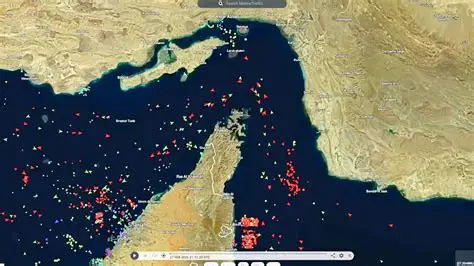
From a business perspective, energy markets reacted immediately to reports that Washington and Tehran had reached an initial agreement aimed at ending the conflict and restoring commercial traffic through the Strait of Hormuz. Brent crude futures fell 4.2% to $83.68 per barrel, while U.S. West Texas Intermediate (WTI) dropped 4.9% to $80.75 per barrel, both hitting their lowest levels since March 10. Analysts say the sharp fall in oil prices reflects the rapid unwinding of the geopolitical risk premium that had pushed crude prices higher during the conflict. Pakistan, which served as a mediator between the two sides, confirmed that a memorandum of understanding is expected to be signed in Switzerland later this week. U.S. President Donald Trump also announced that the Strait of Hormuz would reopen “toll free” and that the U.S. naval blockade of Iranian ports would end.
Economically, the easing of tensions is expected to reduce pressure on global fuel prices, transportation costs and inflation after months of supply disruptions in one of the world’s most critical energy corridors. The closure of the Strait of Hormuz had removed millions of barrels of oil and gas supply from international markets, creating shortages and increasing energy costs for both businesses and consumers worldwide. Energy analysts believe restoring even 60% to 70% of pre-war oil flows through the Strait of Hormuz could return global oil markets to oversupply conditions and further pressure crude prices downward. Investors are now watching how quickly Middle Eastern producers can restart exports and repair damaged infrastructure after months of disruption.
Geopolitically, the agreement between the United States and Iran marks a major shift after months of escalating tensions that threatened global energy security and regional stability. Iran’s deputy foreign minister, Kazem Gharibabadi, said broader negotiations would continue during a planned 60-day ceasefire period, while Iranian media reported that the draft deal includes reopening the Strait of Hormuz under Iranian arrangements within 30 days. The reopening of the Strait of Hormuz is being viewed globally as one of the most important developments for international energy security and Middle East stability this year. Governments, shipping companies and global financial markets are expected to remain cautious as they assess whether the ceasefire and future negotiations can deliver lasting stability across the Gulf region.
Comments

Africa Energy Insights (AEI) is an African platform with latest news, insights and investment report of Energy Sectors. We bridging the gap and mobilizes investment in Energy resources for Sustainable and reliable Energy supply.