Oil & Gas
OIL PRICES RISE 5% AS FEARS GROW OVER U.S.-IRAN CEASEFIRE COLLAPSE.
JUMA SULEIMAN
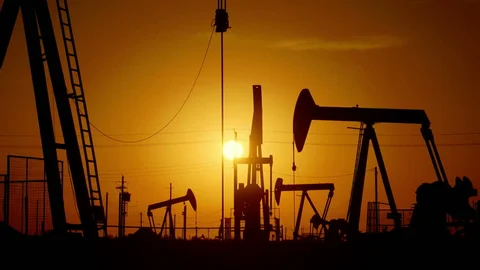
From a business perspective, oil markets reacted strongly to renewed instability, highlighting how sensitive trading conditions remain to geopolitical developments. Brent crude rose by about 4.6% to $94.57 per barrel, while U.S. West Texas Intermediate (WTI) gained 5.5% to $88.45, reversing part of the sharp losses seen the previous week when ceasefire optimism drove prices down by 9%. However, the underlying market conditions remain tight, with 10–11 million barrels per day of crude oil still shut in due to disruptions linked to the conflict. Shipping activity through the Strait of Hormuz — a key artery for global energy trade — remains extremely limited, with only a handful of vessels crossing compared to normal traffic levels, forcing traders to rely on longer routes and alternative logistics. At the same time, freight rates and war-risk insurance costs remain elevated, increasing the overall cost of transporting oil and squeezing margins for traders and refiners.
From an economic perspective, the rise in oil prices signals renewed inflationary pressure and potential economic strain for both importing and exporting nations. The Strait of Hormuz typically handles around one-fifth of global oil supply, and continued disruption has reduced available supply in the market, tightening balances and pushing prices upward. Although there was a temporary rebound in shipping activity over the weekend, traffic has since slowed again to near standstill levels, reinforcing concerns that supply chains remain fragile. The mismatch between financial market optimism and physical supply constraints is particularly significant — while traders initially reacted to ceasefire news, actual oil flows remain disrupted due to logistical challenges, security risks, and higher transport costs. If the situation persists, higher fuel prices could feed into broader economic sectors, raising costs for transportation, manufacturing, and energy consumption globally.
From a geopolitical perspective, the situation has escalated following the U.S. seizure of an Iranian cargo vessel, prompting Iran to threaten retaliation and withdraw from further negotiations. Tehran has also rejected claims of progress in talks, increasing the likelihood that the ceasefire may not hold. Reports that tankers were fired upon shortly after assurances that the Strait would remain open have further undermined confidence and highlighted the unpredictability of the conflict. The Strait of Hormuz remains a strategic chokepoint, and any prolonged disruption or escalation could trigger a broader energy crisis. As diplomatic efforts stall and tensions rise, oil markets are expected to remain volatile, with prices closely tied to developments in the U.S.-Iran standoff and the stability of one of the world’s most critical energy corridors.
Comments

Africa Energy Insights (AEI) is an African platform with latest news, insights and investment report of Energy Sectors. We bridging the gap and mobilizes investment in Energy resources for Sustainable and reliable Energy supply.