Oil & Gas
OIL PRICES SURGE AFTER U.S. SEIZES IRANIAN VESSEL NEAR HORMUZ

Irene Jerry
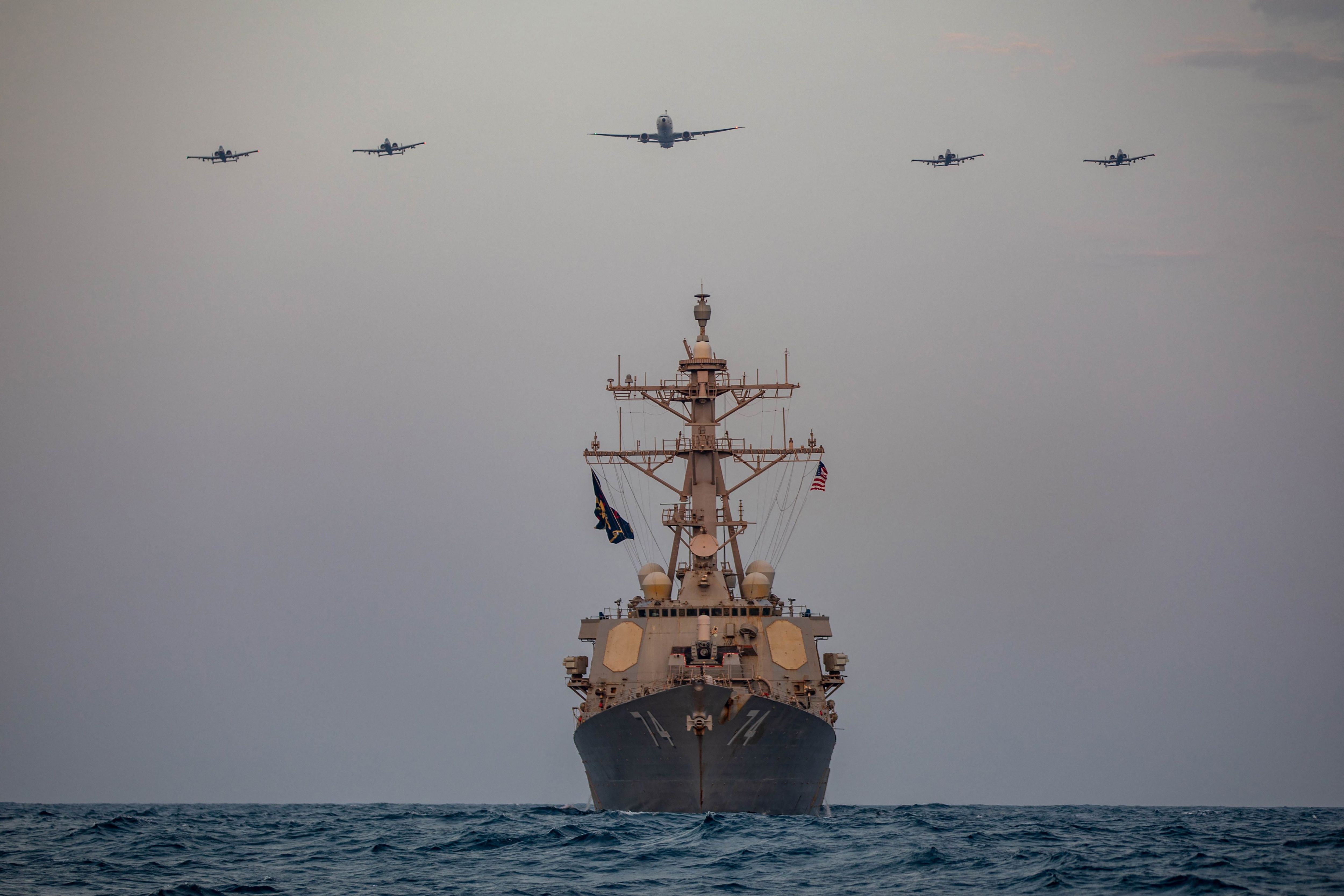
Oil prices surged during early Asian trading on Monday after the U.S. Navy intercepted an Iranian vessel it claimed was attempting to breach its blockade. This action reignited concerns about a significant escalation in tensions and the possibility of prolonged disruptions in the Strait of Hormuz, a critical global oil transit route.
As of the latest update, West Texas Intermediate crude rose by 6.21% to $89.06, while Brent crude increased 5.27% to $95.14. The sharp gains followed a steep decline on Friday, when both benchmarks fell by over 9% after Iran signaled a willingness to reopen the Strait and the U.S. expressed optimism about potential peace negotiations.
However, that optimism faded quickly over the weekend when the U.S. seized an Iranian-flagged vessel, the Touska, accusing it of attempting to bypass the blockade. The situation escalated further after Iran’s Revolutionary Guard reportedly fired on two ships in the Strait, declaring that passage would remain closed until the U.S. lifted its naval restrictions.
Iran strongly condemned the seizure, labeling it “maritime piracy” and warning of possible retaliation, casting doubt on the fragile ceasefire. Meanwhile, uncertainty surrounds diplomatic efforts, as Tehran has not confirmed participation in planned talks, insisting negotiations cannot proceed while the blockade remains. With tensions rising, shipping confidence weakening, and nearly 600 million barrels of oil reportedly affected, markets are increasingly bracing for continued supply disruptions.
Comments

Africa Energy Insights (AEI) is an African platform with latest news, insights and investment report of Energy Sectors. We bridging the gap and mobilizes investment in Energy resources for Sustainable and reliable Energy supply.