Oil & Gas
OIL RISES AS MARKETS ASSESS SUPPLY RISK AFTER IRAN DENIES U.S. TALKS.
JUMA SULEIMAN
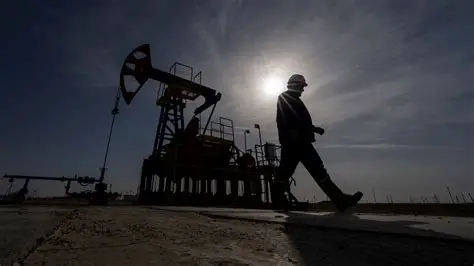
From a business perspective, oil markets remain volatile as traders respond to conflicting political signals and ongoing disruptions in energy logistics. Brent crude rose about 2.9% to around $102.83 per barrel, while U.S. West Texas Intermediate (WTI) climbed about 2.8% to $90.62, recovering after a sharp drop the previous day when the U.S. delayed planned strikes on Iranian power plants. However, the Strait of Hormuz a key shipping route for global oil and LNG remains largely disrupted, with shipments of around one-fifth of the world’s oil and liquefied natural gas still affected, keeping supply concerns high.
From an economic perspective, analysts expect oil prices to remain elevated due to continued supply uncertainty and geopolitical risk premiums. Market analysts estimate a price floor of around $85–$90 per barrel, with potential movement back toward $110, while some forecasts suggest Brent could reach as high as $150 per barrel if the Strait of Hormuz remains effectively shut for an extended period. Higher oil prices would increase fuel and transportation costs globally, contributing to inflationary pressure and slowing economic growth in energy-importing countries. Governments and energy agencies are already considering strategic reserve releases to stabilize markets if supply disruptions worsen.
From a geopolitical perspective, tensions remain high as Iran denied any negotiations with the United States and accused Washington of attempting to manipulate markets. Meanwhile, attacks on energy infrastructure in Iran continue, including strikes on gas facilities and pipelines, further increasing supply risks in the region. The United States has temporarily waived sanctions on some Russian and Iranian oil shipments already at sea to ease supply shortages, showing how geopolitical conflicts are directly influencing global oil supply policies. With ongoing military tensions and uncertainty over negotiations, markets expect continued volatility and elevated oil prices until stability returns to the Strait of Hormuz and Middle East energy flows.
Comments

Africa Energy Insights (AEI) is an African platform with latest news, insights and investment report of Energy Sectors. We bridging the gap and mobilizes investment in Energy resources for Sustainable and reliable Energy supply.