Oil & Gas
OIL SHIPMENTS THROUGH HORMUZ RISE AS IRAN'S NEW TRANSIT CONDITIONS SPARK CONCERNS.
JUMA SULEIMAN
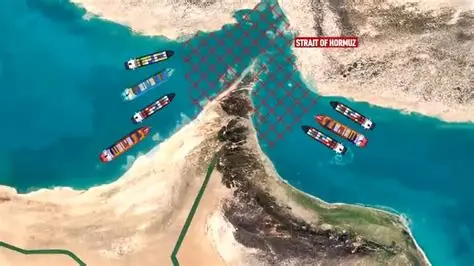
Traffic through the Strait of Hormuz showed signs of recovery on Friday, with several tankers carrying crude oil, refined products and liquefied petroleum gas entering or exiting the waterway. Japanese and Indian-owned vessels that had faced delays during the conflict resumed their voyages, while shipping data showed commercial crossings reached their highest daily level since April. Ships also resumed broadcasting their positions after weeks of concealing movements by switching off tracking systems due to security concerns. Despite the improvement, traffic remains significantly below pre-conflict levels when more than 120 vessels crossed the strait daily.
The gradual return of shipping activity is encouraging Gulf producers to increase exports. Kuwait Petroleum Corporation has already launched tenders for July crude deliveries after lifting force majeure, while Abu Dhabi National Oil Company has continued issuing export tenders. THE RECOVERY OF HORMUZ TRAFFIC IS CRITICAL FOR GLOBAL ENERGY MARKETS BECAUSE THE WATERWAY HANDLES A SIGNIFICANT SHARE OF THE WORLD'S OIL AND GAS EXPORTS. The United States formally ended its blockade of Iranian ports on Thursday, further supporting expectations that regional oil flows could continue normalising in the coming weeks if the ceasefire holds.
Despite the recovery, geopolitical uncertainty remains high. Iran has indicated that vessels may be required to coordinate passage through the Strait with the Revolutionary Guards and obtain permits from Iranian authorities. Industry groups have pushed back against any attempt to impose transit fees or tolls, arguing that Hormuz remains an international waterway. Reports also suggest Iranian authorities recently ordered some foreign vessels to turn back, reinforcing concerns among shipowners and insurers. Meanwhile, a fleet of Iranian supertankers carrying millions of barrels of oil has begun sailing toward Asia, signalling Tehran's intention to quickly restore exports as negotiations continue over a broader and more permanent peace agreement with the United States.
Comments

Africa Energy Insights (AEI) is an African platform with latest news, insights and investment report of Energy Sectors. We bridging the gap and mobilizes investment in Energy resources for Sustainable and reliable Energy supply.