Oil & Gas
SENEGAL BEGINS CONSTRUCTION OF €275 MILLION GAS PIPELINE TO BOOST DOMESTIC ENERGY SUPPLY.

Irene Jerry
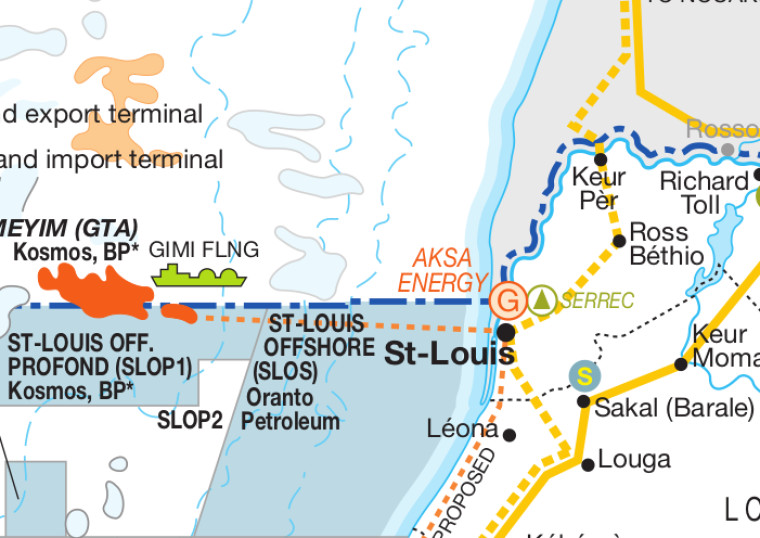
Senegal has commenced construction of an important 85-kilometre gas pipeline known as the Northern Segment of the Senegal Gas Network (Réseau Gazier du Sénégal). The project, officially launched in September 2026 in Gandon, in the Saint-Louis region, is designed to transport natural gas from the offshore Greater Tortue Ahmeyim (GTA) gas project to domestic consumers.
With an estimated cost of €275 million, the pipeline will comprise 45 kilometres offshore and 40 kilometres onshore, with a planned capacity of approximately 300 million cubic feet of gas per day.
The pipeline is a key component of Senegal’s strategy to expand domestic gas utilisation and strengthen energy security. By supplying natural gas to gas-fired power stations, including the planned Gandon facility, the project is expected to reduce reliance on imported petroleum products, lower exposure to international fuel-price fluctuations and support more reliable electricity generation.
The availability of domestic gas could also improve the competitiveness of energy-intensive industries and contribute to the country’s broader economic development.
The Northern Segment forms part of a wider national gas transportation network intended to connect gas resources with power plants and industrial customers across Senegal. Additional pipeline sections, known as the Green, Blue and Orange segments, are planned to extend the network to other regions and industrial facilities.
However, these developments will require further financing, construction and coordination with gas supply infrastructure and power-generation projects before the full benefits can be realised.
Despite its significant potential, the project’s success will depend on timely construction, reliable gas supplies, investment in the wider network and effective coordination with electricity producers. Once operational, the pipeline could create opportunities in engineering, construction, equipment supply and industrial energy services, while supporting Senegal’s transition towards greater use of domestic natural gas.
Overall, the project represents an important step towards reducing fuel-import dependence, improving energy security and promoting industrial growth, although its eventual impact on electricity costs will depend on gas prices and the wider economics of the power sector.
Comments

Africa Energy Insights (AEI) is an African platform with latest news, insights and investment report of Energy Sectors. We bridging the gap and mobilizes investment in Energy resources for Sustainable and reliable Energy supply.