Oil & Gas
STRAIT OF HORMUZ TRAFFIC BARELY AFFECTED ON FIRST DAY OF U.S. BLOCKADE.
JUMA SULEIMAN
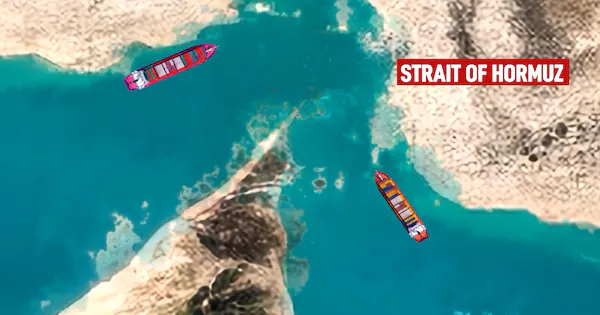
From a business perspective, the first day of the blockade indicates that maritime trade through the Strait of Hormuz continues, albeit at reduced levels. At least eight vessels, including three Iran-linked tankers, successfully transited the strait, according to shipping data. These vessels were not bound for Iranian ports and therefore were not directly impacted by the blockade. Ships such as the Panama-flagged “Peace Gulf,” heading to the UAE’s Hamriyah port, and the sanctioned tanker “Rich Starry,” carrying approximately 250,000 barrels of methanol, highlight the continued movement of energy-related cargoes. However, overall traffic remains well below the typical 130-plus daily crossings, reflecting persistent uncertainty among shippers, oil companies, and insurers. Additionally, war-risk insurance premiums remain elevated, adding substantial operational costs for maritime operators and influencing commercial decisions in the region.
From an economic perspective, the selective enforcement of the blockade suggests that while global energy supply chains are under pressure, a complete disruption has so far been avoided. The Strait of Hormuz is responsible for transporting around one-fifth of the world’s oil and liquefied natural gas, making any interference with its operations a significant threat to global economic stability. Although some vessels were reportedly diverted back to Iranian ports in compliance with U.S. directives, the continued passage of others has helped prevent an immediate and severe supply shock. Nevertheless, the sustained reduction in traffic and elevated insurance and freight costs are likely to increase global energy prices and transportation expenses, contributing to inflationary pressures and economic uncertainty, particularly for energy-importing nations.
From a geopolitical perspective, the blockade represents a significant escalation in tensions between the United States and Iran, with broader implications for international relations and maritime security. The U.S. strategy appears to focus on intermittent or selective enforcement, allowing humanitarian shipments and non-Iran-bound vessels to pass while restricting trade linked to Iranian ports. This approach aims to exert economic pressure on Iran without triggering a full-scale disruption of global energy markets. The situation has also drawn international attention, with China criticizing the blockade as “dangerous and irresponsible,” signaling potential diplomatic friction among major powers. As negotiations remain stalled and military presence in the region increases, the Strait of Hormuz continues to be a focal point of geopolitical risk, with its stability crucial to the balance of global energy security and international trade.
Comments

Africa Energy Insights (AEI) is an African platform with latest news, insights and investment report of Energy Sectors. We bridging the gap and mobilizes investment in Energy resources for Sustainable and reliable Energy supply.