Oil & Gas
UAE'S OIL PRODUCTION SET TO EXCEED 5 MILLION BARRELS PER DAY AFTER OPEC EXIT.
JUMA SULEIMAN
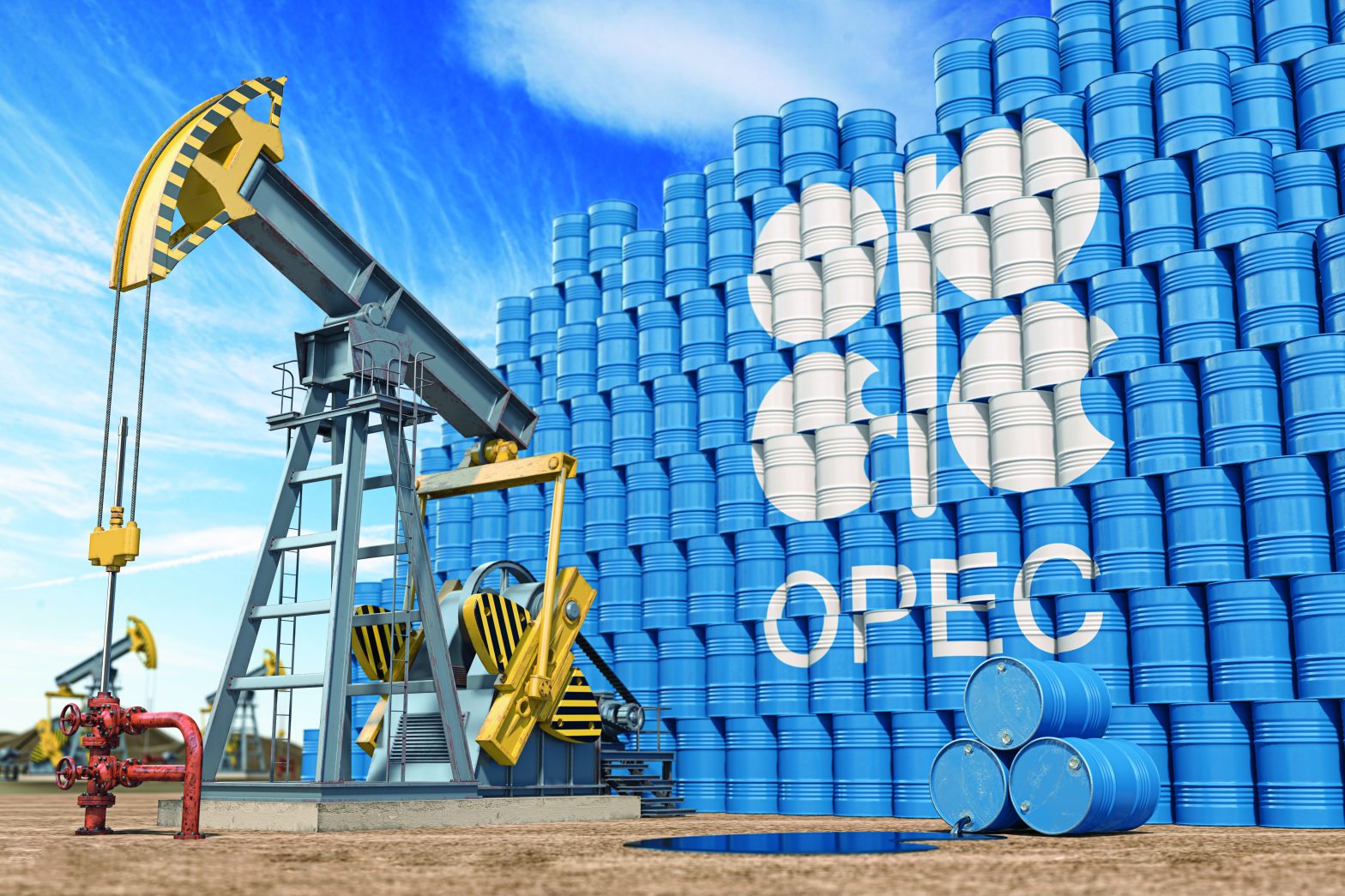
The International Energy Agency said the UAE's total oil production is expected to reach 5.2 million barrels per day in 2027, an increase of 730,000 barrels per day compared to current levels. The growth follows the country's decision to leave OPEC and pursue an independent production strategy aimed at fully utilizing its expanding oil capacity. The UAE's crude production capacity has increased significantly over the last decade, rising from 3.1 million barrels per day in 2016 to nearly 4.4 million barrels per day in 2026, alongside approximately 1.1 million barrels per day of condensate and natural gas liquids production capacity.
The expansion is being supported by substantial investments from ADNOC, which recently announced plans to award projects worth $55 billion between 2026 and 2028 while targeting $150 billion in capital investments through 2030. The increased production is expected to boost export revenues, strengthen the country's economic position and attract additional investment into the energy sector. ADNOC'S AGGRESSIVE EXPANSION PROGRAMME IS EXPECTED TO PLAY A KEY ROLE IN MAKING THE UAE ONE OF THE LARGEST SOURCES OF NEW OIL SUPPLY OUTSIDE OPEC+ OVER THE COMING YEARS.
The UAE is also strengthening its geopolitical position by reducing its reliance on the Strait of Hormuz, one of the world's most important energy shipping routes. ADNOC is accelerating the construction of a new West-East pipeline that will double export capacity through Fujairah and allow greater volumes of oil to bypass the Strait. The project is already around 50% complete and is expected to be operational in 2027. Despite disruptions caused by the Iran conflict, UAE oil exports increased by 260,000 barrels per day in May to reach 3.1 million barrels per day, demonstrating the country's growing ability to maintain energy exports during periods of regional instability.
Comments

Africa Energy Insights (AEI) is an African platform with latest news, insights and investment report of Energy Sectors. We bridging the gap and mobilizes investment in Energy resources for Sustainable and reliable Energy supply.