Power Grid
ZAMBIA: NEW RULES FOR GENERATORS AS H1 26 ENERGY INVESTMENT TOPS $1BN.

Irene Jerry
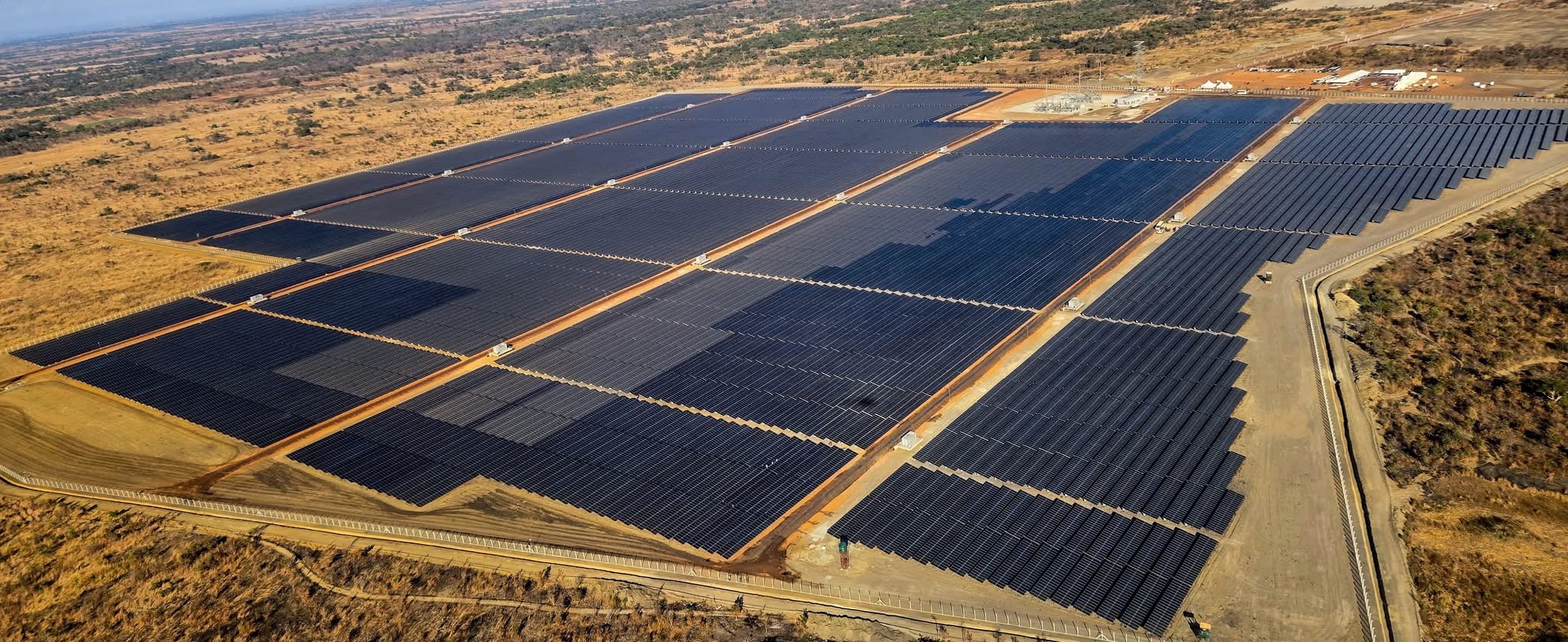
Zambia’s energy sector recorded significant investment momentum in the first half of 2026, with more than 1GW of new electricity generation capacity approved during the period. The development reflects the country’s continued efforts to expand generation capacity, improve electricity supply, and attract private-sector investment into the power sector. Total energy investment commitments during the first half of the year have now exceeded US$1 billion, highlighting growing confidence in Zambia’s energy market and the need to strengthen the country’s electricity infrastructure to support economic growth.
At the same time, Zambia is continuing to advance reforms designed to give consumers and private power producers greater access to the electricity market. Progress on net metering is creating opportunities for consumers and businesses that generate their own electricity, particularly through solar installations, to feed excess power into the national grid. The country is also making progress on open access, which is intended to allow eligible electricity users and generators to access transmission and distribution networks under defined regulatory arrangements. These reforms could encourage additional private investment and support the development of renewable energy projects.
The government has also introduced a new set of regulations addressing power quality and grid infrastructure, establishing clearer requirements for how electricity generation and grid-connected equipment should operate. The rules are particularly relevant to businesses and institutions that rely on generators as backup or supplementary sources of electricity. By strengthening technical standards and grid requirements, the regulations are intended to improve reliability, protect electrical equipment, reduce disruptions, and ensure that new generation projects can be integrated into the national power system safely and efficiently.
Overall, the developments point to a rapidly evolving Zambian electricity market in which both large-scale generation projects and smaller distributed energy systems are expected to play an increasingly important role. The approval of more than 1GW of new capacity, combined with over US$1 billion in investment during H1 2026 and continued progress on net metering and open access, signals a move toward a more diversified and competitive power sector. For businesses and investors, the new regulatory framework also means that compliance with technical, grid-connection, and power-quality requirements will become increasingly important when developing or operating generation facilities in Zambia.
Comments

Africa Energy Insights (AEI) is an African platform with latest news, insights and investment report of Energy Sectors. We bridging the gap and mobilizes investment in Energy resources for Sustainable and reliable Energy supply.