Blog
OPEC+ OUTPUT HIKE REMAINS LARGELY SYMBOLIC AMID HORMUZ SUPPLY CRISIS.
Global oil markets are facing a deepening imbalance as OPEC+ pushes forward with another planned production increase, even while real supply remains heavily constrained. The ongoing Iran conflict and disruptions in the Strait of Hormuz a critical artery for global energy flows mean that much of this additional output may never reach the market in the near term. This widening gap between announced production and actual deliverable supply is fueling volatility, keeping oil prices elevated, and increasing pressure on economies worldwide. As geopolitical tensions persist, OPEC+’s strategy appears less about immediate supply relief and more about signaling control, maintaining market confidence, and preparing for a post-conflict recovery phase even as current conditions point to continued tightness in global energy markets.
- 6 months, 1 week
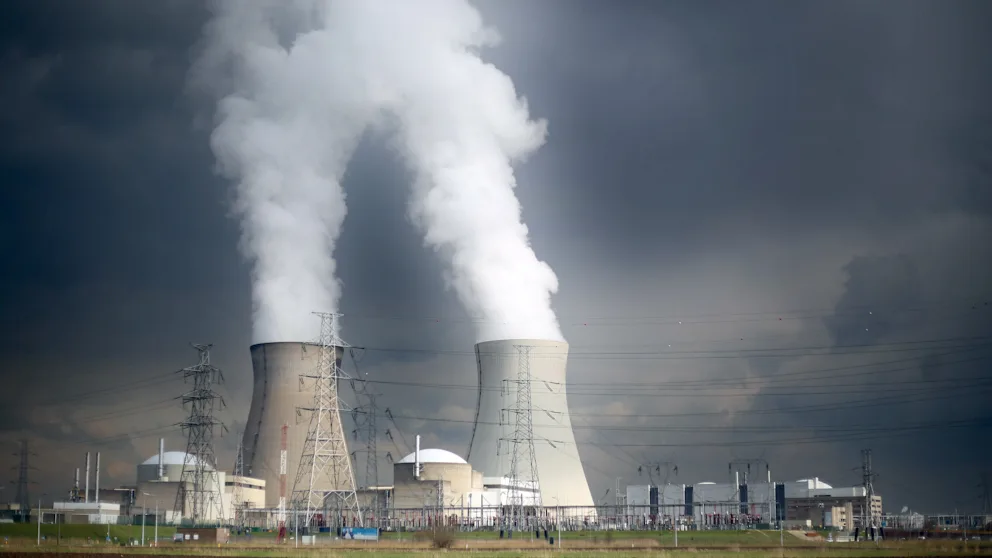
BELGIUM STOPS NUCLEAR PHASE-OUT.
Belgium has abruptly shifted course in its climate and energy policy by halting the dismantling of all nuclear reactors.
- 6 months, 1 week

OIL SLIPS AS MARKET DIGESTS UAE EXIT FROM OPEC, SUPPLY CONCERNS LINGER.
Oil prices edged lower on Wednesday after a strong multi-day rally, as markets weighed the impact of the United Arab Emirates’ unexpected decision to exit OPEC.
- 6 months, 2 weeks
BP PROFIT MORE THAN DOUBLES AS WAR-DRIVEN OIL TRADING SURGES
BP (NYSE: BP) more than doubled its profit for the first quarter from a year earlier as oil prices jumped and oil trading boomed amid the war in the Middle East in the latter part of the quarter.
- 6 months, 2 weeks

SAUDI ARABIA SET TO CUT OIL PRICES FOR ASIA AS MARKET MOMENTUM WEAKENS.
Saudi Arabia is preparing to significantly lower its crude oil prices for Asian buyers in June, marking a clear shift from the record-high pricing seen at the peak of recent supply disruptions. The move comes as global oil markets begin to stabilize after weeks of volatility triggered by the Iran conflict, with easing spot premiums and a noticeable slowdown in demand across key Asian economies. While geopolitical tensions remain high, the urgency that once drove aggressive buying has faded, leaving refiners more cautious and price sensitive. As alternative supplies from regions like the United States, West Africa, and Russia enter the market, Saudi Arabia is now adjusting its pricing strategy to remain competitive and protect market share. The anticipated cuts highlight a turning point where demand weakness, refining margins, and supply diversification are starting to outweigh earlier fears of severe shortages, signaling a more complex and balanced but still uncertain outlook for the global oil market.
- 6 months, 2 weeks
HORMUZ DISRUPTIONS DRIVE CRUDE HIGHER AS U.S.-IRAN DIPLOMACY STALLS
Oil prices surged over 2% Monday before falling back as stalled U.S.-Iran diplomacy and continuing disruptions in the Strait of Hormuz drove a fresh risk premium into crude markets.
- 6 months, 2 weeks

Africa Energy Insights (AEI) is an African platform with latest news, insights and investment report of Energy Sectors. We bridging the gap and mobilizes investment in Energy resources for Sustainable and reliable Energy supply.