Blog

LONDON COURT UPHOLDS INJUNCTION PREVENTING NEW SOUTH SUDAN OIL PREPAYMENT CONTRACTS
London's High Court has upheld an injunction obtained by BB Energy, preventing the Republic of South Sudan from entering into new oil prepayment agreements.
- 1 month, 2 weeks
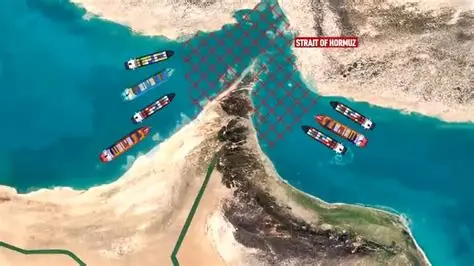
OIL SHIPMENTS THROUGH HORMUZ RISE AS IRAN'S NEW TRANSIT CONDITIONS SPARK CONCERNS.
Oil shipments through the Strait of Hormuz are gradually recovering following the signing of an interim ceasefire agreement between the United States and Iran, allowing tankers carrying crude oil, refined products and liquefied petroleum gas to resume movement through one of the world's most strategically important energy corridors. The return of shipping activity is providing relief to global energy markets after months of disruption caused by the conflict. However, fresh concerns are emerging as Iran signals tighter control over vessel movements through the waterway, including possible permit requirements, insurance obligations and transit fees. The developments are creating uncertainty for shipowners, oil traders and major energy-consuming nations that depend on uninterrupted flows from the Gulf region.
- 1 month, 2 weeks
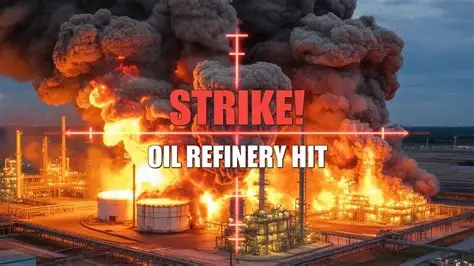
UKRAINE BRINGS THE WAR TO MOSCOW AS HUGE BLASTS SHAKE REFINERY.
Ukraine has brought the war closer to the heart of Russia after launching another major drone strike on a strategic oil refinery in Moscow, causing a powerful explosion, a large fire and widespread disruption across the capital. The attack, which targeted critical energy infrastructure located just 16 kilometres from the Kremlin, is part of Kyiv's growing campaign to weaken Russia's oil industry, disrupt revenues used to finance the war and demonstrate its ability to strike deep inside Russian territory. The incident has also raised concerns about fuel supplies, transportation disruptions and the broader economic consequences of continued attacks on Russia's energy sector as the conflict enters a new and increasingly complex phase.
- 1 month, 3 weeks
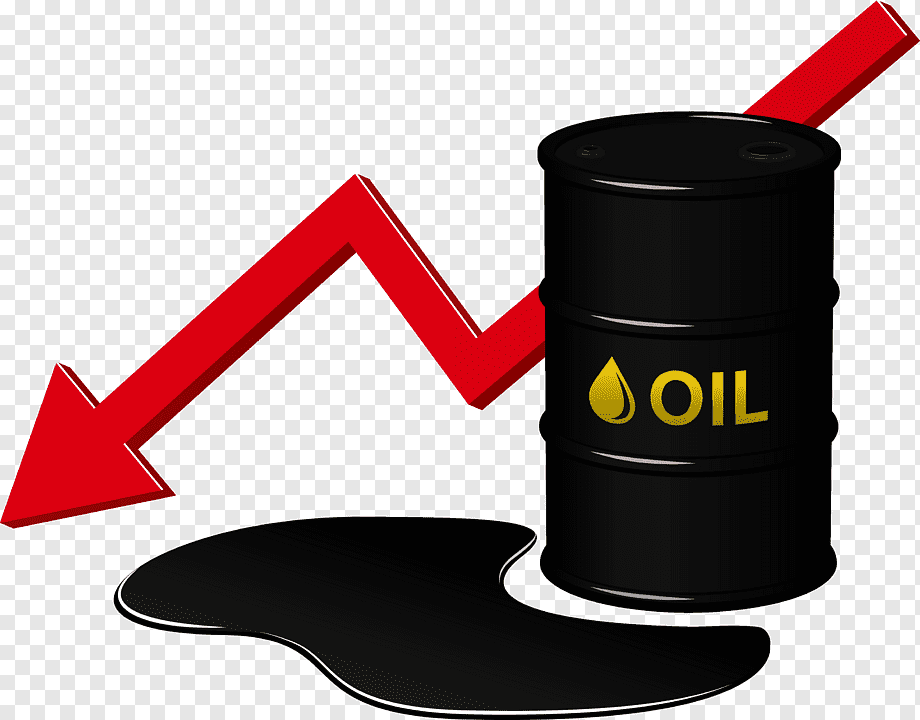
OIL FALLS TO LOWEST LEVEL SINCE THE START OF THE IRAN WAR AFTER CEASEFIRE DEAL IS SIGNED
Oil prices fell by more than 1% on Thursday, reaching their lowest level since the Iran war began.
- 1 month, 3 weeks
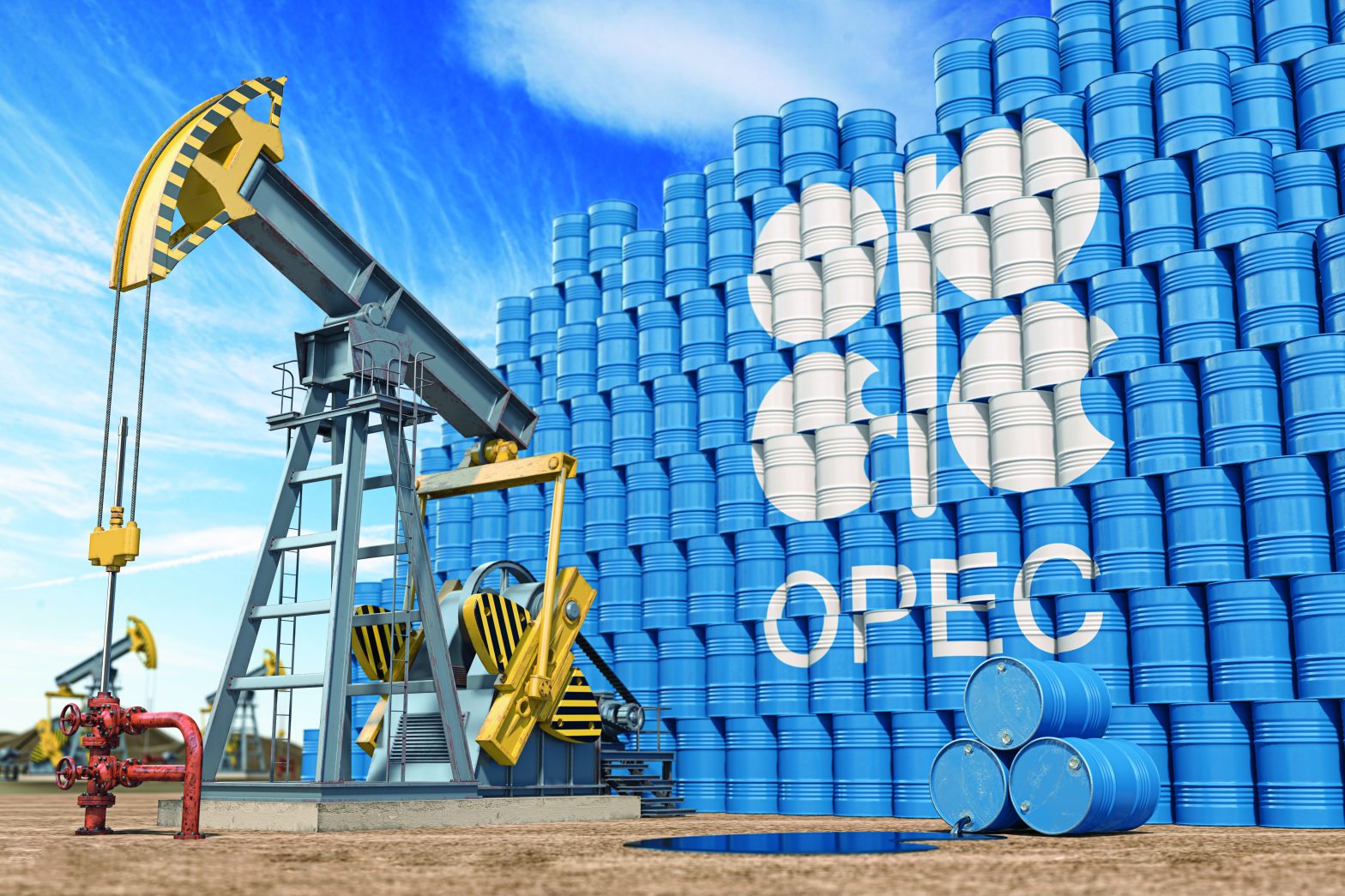
UAE'S OIL PRODUCTION SET TO EXCEED 5 MILLION BARRELS PER DAY AFTER OPEC EXIT.
The United Arab Emirates is set to become one of the world's fastest-growing oil producers after leaving OPEC, with the International Energy Agency forecasting output to exceed 5 million barrels per day next year. Backed by massive investments from ADNOC, expanding export infrastructure and a strategy focused on maximizing production capacity, the UAE is positioning itself to play a larger role in global energy markets while strengthening its ability to supply customers despite ongoing Middle East geopolitical tensions.
- 1 month, 3 weeks
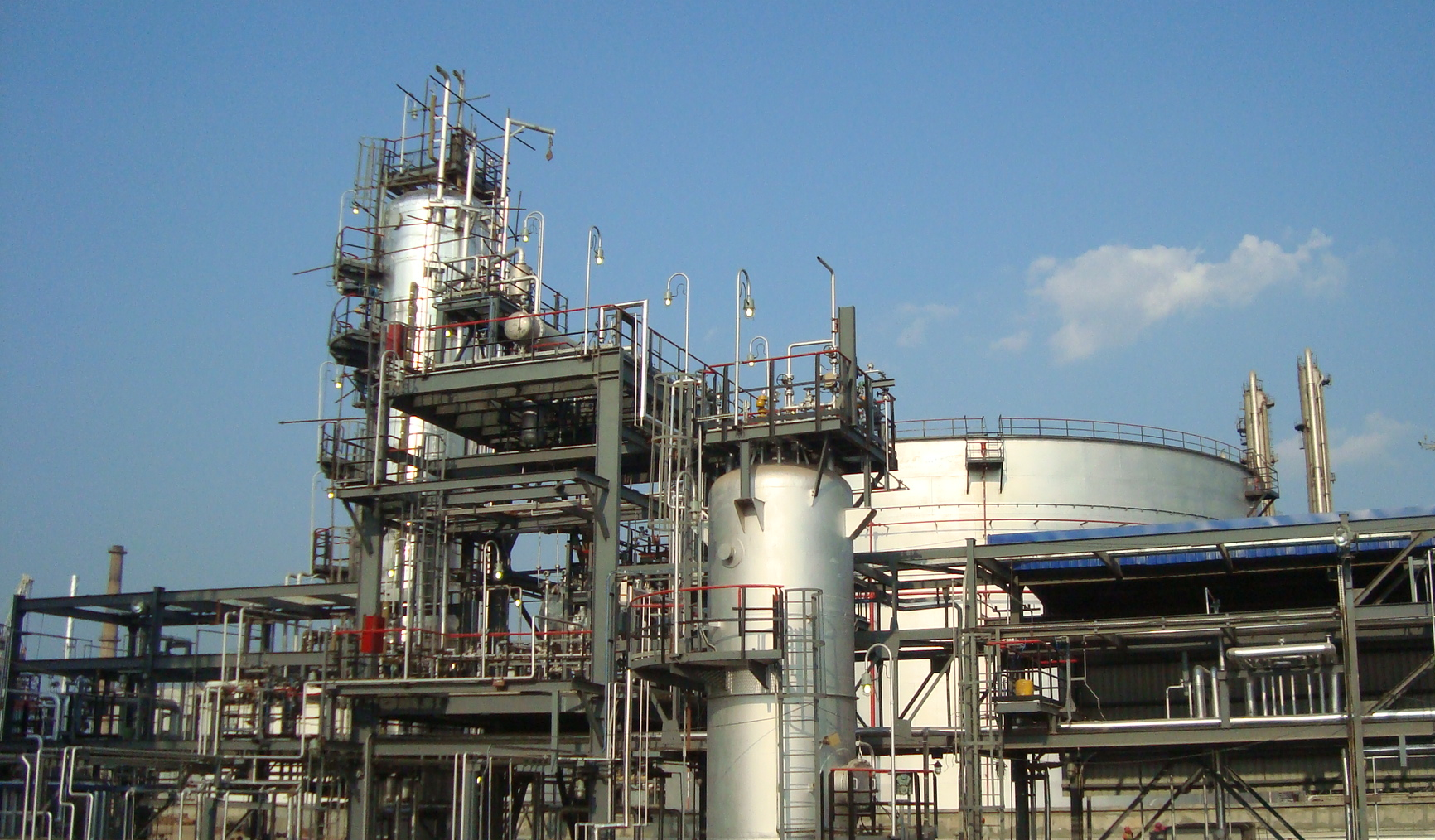
NIGERIA'S CRUDE OIL PRODUCTION HITS 15-MONTH HIGH
Nigeria’s crude oil production climbed to a 15-month high in May, highlighting the country’s ongoing efforts to increase output. According to data from the Nigerian Upstream Petroleum Regulatory Commission (NUPRC), crude production reached 1.53 million barrels per day (bpd), the highest level recorded since January 2025.
- 1 month, 3 weeks

Africa Energy Insights (AEI) is an African platform with latest news, insights and investment report of Energy Sectors. We bridging the gap and mobilizes investment in Energy resources for Sustainable and reliable Energy supply.