Blog

TOP INDIAN REFINER FACES PROFIT HIT FROM PRICE SURGE
Reliance Industries, the biggest oil refiner in India, is expected to report a drop in profits for its fourth quarter to March, driven by the oil price surge caused by the war in the Middle East.
- 3 months, 2 weeks
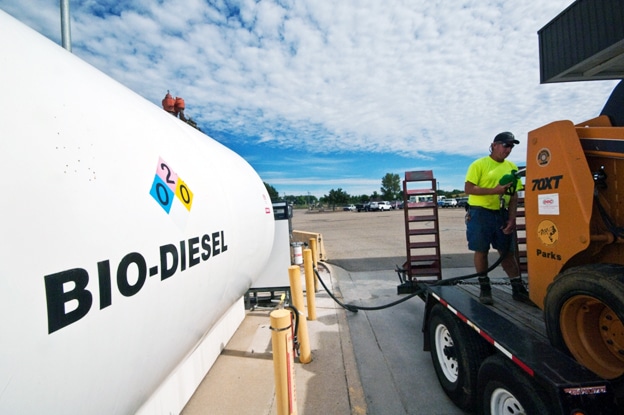
AUSTRALIAN STATE BETS ON BIODIESEL TO REDUCE RELIANCE ON OIL
Australia's state of Queensland will pour A$25 million in biodiesel production project in a bid to reduce its reliance on imported fuel amid a severe supply crunch resulting from the war in the Middle East.
- 3 months, 3 weeks
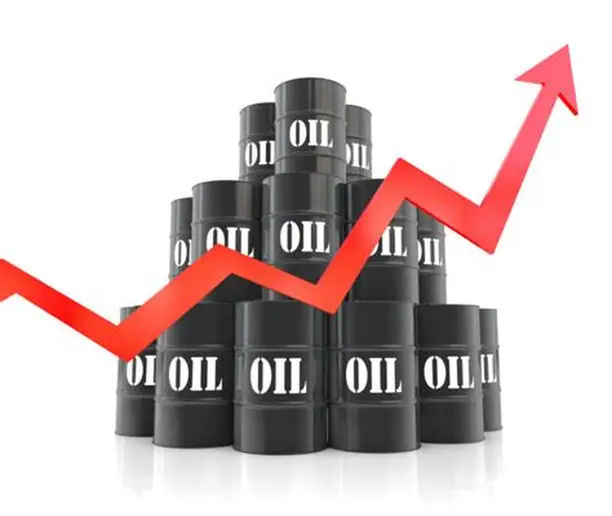
BIGGEST ENERGY CRISIS IN HISTORY, IEA WARNS AS IRAN WAR ROCKS GLOBAL ENERGY SUPPLIES.
The escalating conflict between Iran, the United States and Israel is rapidly evolving into what the International Energy Agency calls the most severe energy crisis in modern history, threatening global oil and gas supplies at an unprecedented scale. As military tensions intensify across the Middle East, the world is witnessing simultaneous disruptions in crude oil shipments, liquefied natural gas flows, and already strained global supply chains. With energy markets rattled, prices soaring, and strategic reserves under pressure, the crisis is raising alarm over inflation, economic instability, and the possibility of a prolonged global energy shock that could surpass every previous oil crisis.
- 3 months, 3 weeks

UK MOVES TO WEAKEN LINK BETWEEN ELECTRICITY AND GAS PRICES.
The UK government has announced plans to reform how electricity prices are set, aiming to reduce the strong link between power costs and volatile natural gas prices.
- 3 months, 3 weeks

U.S. OIL EXPORTS SET TO HIT RECORD HIGH
The United States is set to export a record-breaking 5.44 million barrels of crude daily this month
- 3 months, 3 weeks
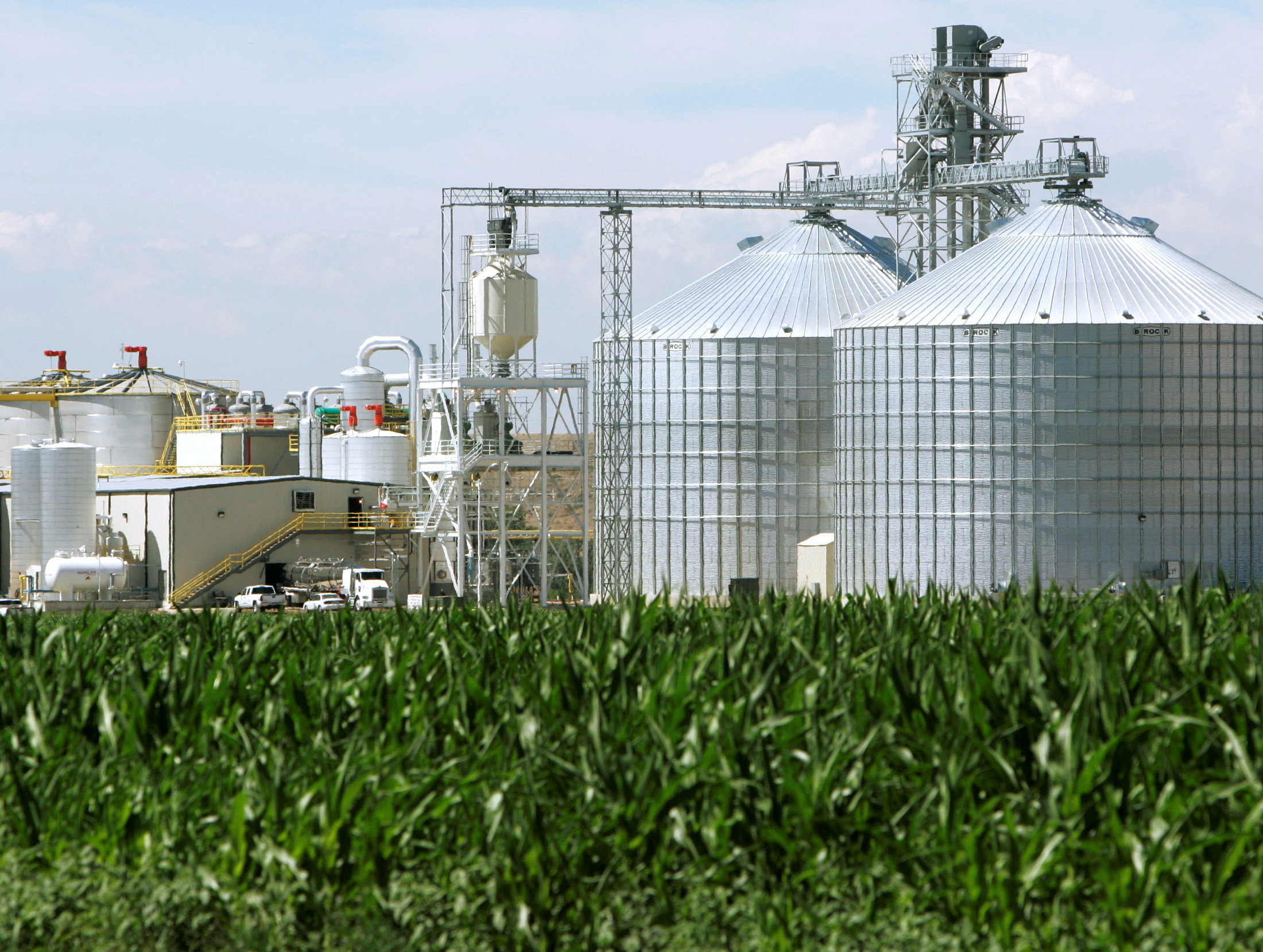
BIOFUELS BACK IN VOGUE AS IRAN WAR TRIGGERS OIL PRICE SURGE.
In response, many Asian nations such as India, Japan, and South Korea are increasing their interest in biofuels as an alternative energy source.
- 3 months, 3 weeks

Africa Energy Insights (AEI) is an African platform with latest news, insights and investment report of Energy Sectors. We bridging the gap and mobilizes investment in Energy resources for Sustainable and reliable Energy supply.