Blog

OIL PRICES SURGE AFTER U.S. SEIZES IRANIAN VESSEL NEAR HORMUZ
Oil prices climbed sharply in early Asian trade on Monday, as the U.S. Navy intercepted an Iranian vessel it accused of attempting to break its blockade.
- 3 months, 3 weeks

ALGERIA OPENS NEW OIL AND GAS BIDS AS MIDDLE EAST WAR STRAINS MARKETS.
Algeria on Sunday launched a fresh call for international bids for hydrocarbon concessions, seeking to boost energy investment as global markets reel from the war in the Middle East.
- 3 months, 3 weeks
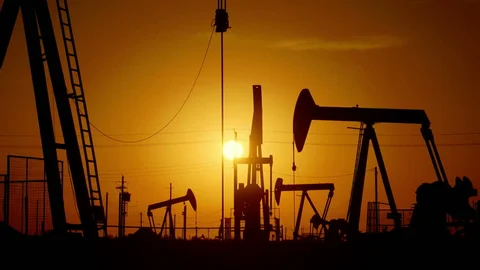
OIL PRICES RISE 5% AS FEARS GROW OVER U.S.-IRAN CEASEFIRE COLLAPSE.
Oil prices climbed sharply by around 5% as concerns mounted that the fragile ceasefire between the United States and Iran could collapse, following the seizure of an Iranian cargo ship and renewed tensions in the Strait of Hormuz. What initially appeared to be a temporary easing of tensions quickly reversed as reports emerged of tanker attacks and continued disruptions to shipping activity in the region. Despite earlier assurances that the Strait would remain open, actual oil flows remain heavily constrained, creating a disconnect between market optimism and physical supply realities. With millions of barrels of oil still shut in and negotiations breaking down, traders are once again factoring in a significant geopolitical risk premium, signaling that global energy markets remain highly vulnerable to sudden escalations in the conflict.
- 3 months, 3 weeks
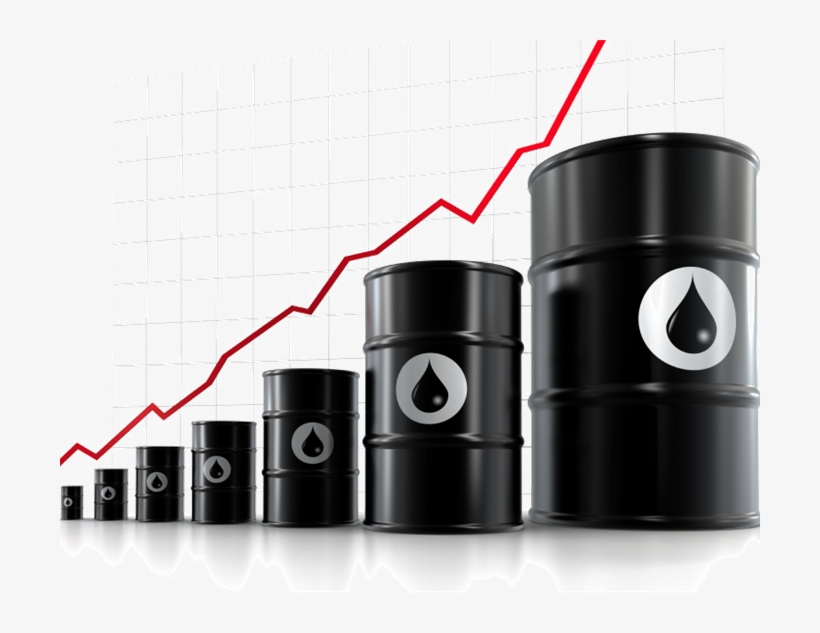
OIL PRICES SINK 10% AS TRUMP ANNOUNCES STRAIT OF HORMUZ IS FULLY OPEN
Iran's Foreign Minister Abbas Araghchi announced Friday that the Strait of Hormuz is "completely open" to commercial shipping for the remainder of the US-Iran ceasefire, a declaration that drew an immediate public thank-you from President Trump.
- 3 months, 3 weeks
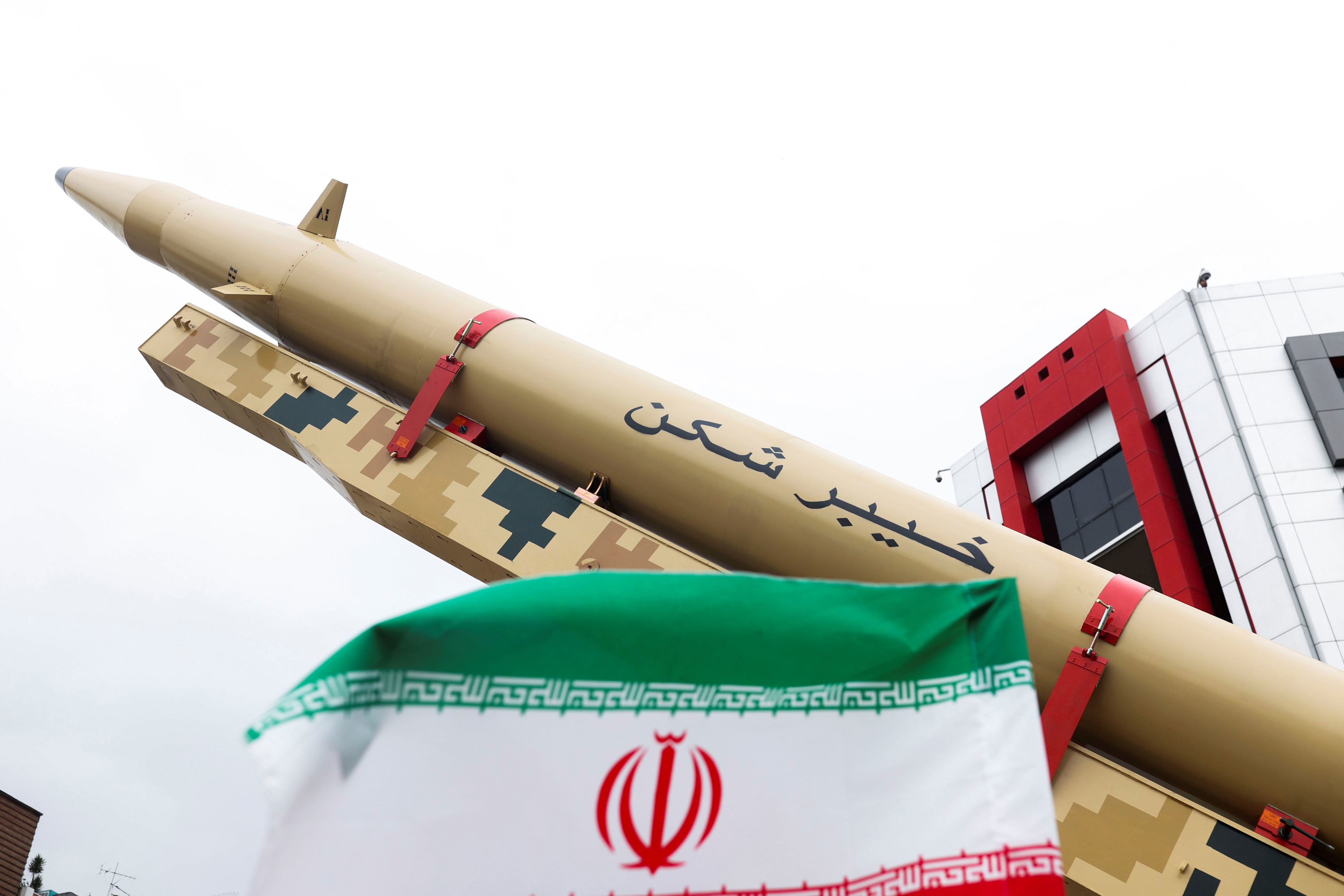
TRUMP’S IRAN URANIUM DILEMMA RAISES STAKES FOR OIL MARKETS
Trump faces a simple but difficult choice: Iran’s enriched uranium still needs to be secured, and airstrikes haven’t accomplished that.
- 3 months, 3 weeks
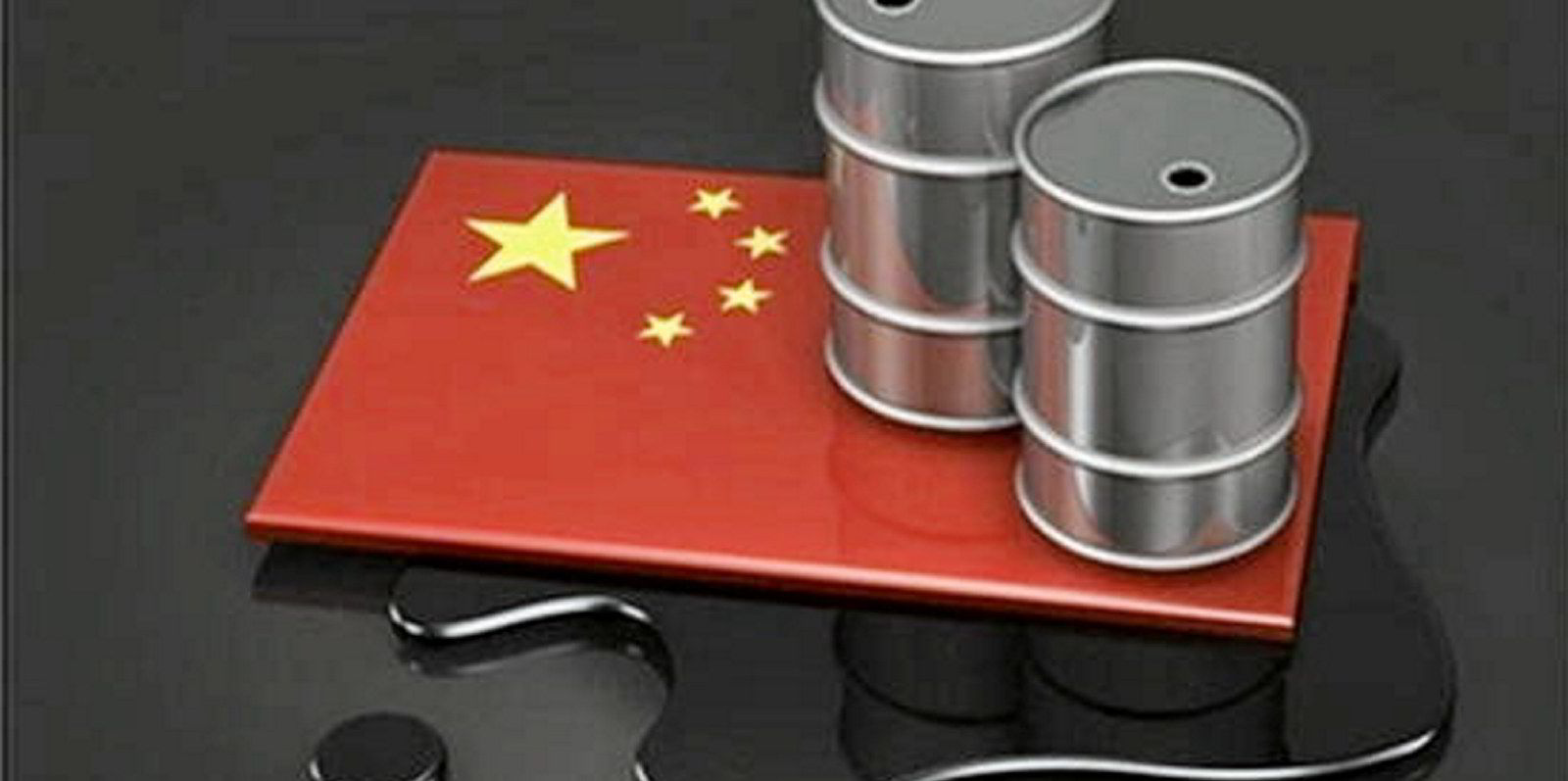
CHINA'S MARCH OIL THROUGHPUT SLOWS AS MIDDLE EAST SUPPLY RISKS RISE, CRUDE OUTPUT HITS RECORD.
China’s oil refining activity slowed in March as geopolitical tensions in the Middle East disrupted crude supply expectations, prompting refiners to scale back operations. Despite the decline in refinery throughput, the country achieved a record level of domestic crude oil production, highlighting Beijing’s efforts to strengthen energy security amid global uncertainty. The contrasting trends reduced refining runs alongside increased domestic output underscore China’s strategic balancing act between managing supply risks, stabilizing fuel markets, and reducing dependence on volatile international energy flows during a period of heightened geopolitical instability.
- 3 months, 3 weeks

Africa Energy Insights (AEI) is an African platform with latest news, insights and investment report of Energy Sectors. We bridging the gap and mobilizes investment in Energy resources for Sustainable and reliable Energy supply.