Blog

TANZANIA TO PROCESS CRUDE OIL INTO FERTILIZERS.
Tanzania is advancing plans to establish petroleum refining capacity to process crude oil into value-added products, including fertilizers, lubricants and other refined petroleum products. The initiative is expected to strengthen energy security, reduce reliance on imports, support industrialization and create new economic opportunities.
- 4 weeks
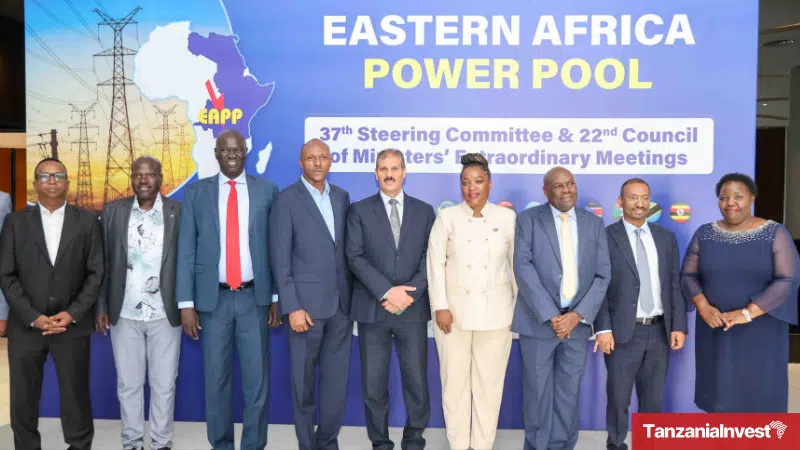
EASTERN AFRICA POWER POOL MINISTERS AGREE TO ACCELERATE REGIONAL ELECTRICITY MARKET.
Eastern Africa Power Pool (EAPP) member states have agreed to accelerate the implementation of a regional electricity market to expand cross-border power trade, strengthen energy security, and improve electricity access across the region. Tanzania said the initiative will enhance power supply reliability, support industrial growth, attract investment, and create employment opportunities through closer regional energy cooperation.
- 4 weeks, 1 day
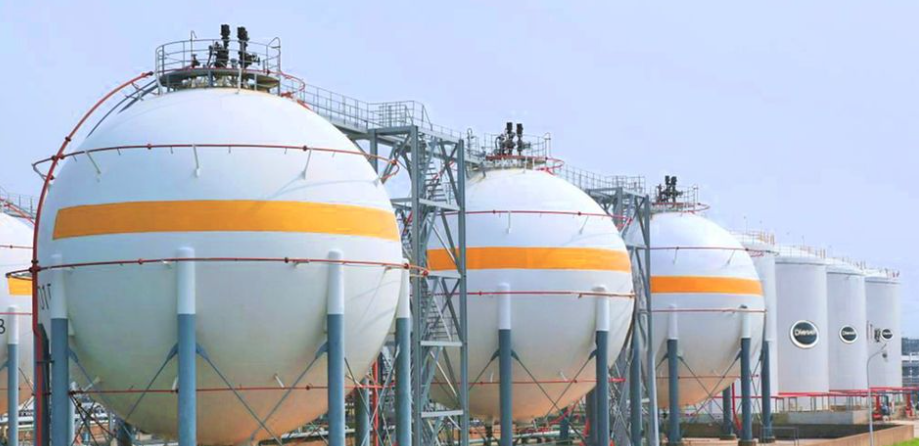
INVESTORS AWAIT APPROVAL FOR $420 MILLION GAS-TO-LIQUID PROJECT.
Investors are awaiting government approval to proceed with Tanzania's proposed $420 million Gas-to-Liquid (GTL) project, which aims to convert natural gas into products such as diesel, sustainable aviation fuel and other industrial fuels. The project is expected to enhance value addition, strengthen energy security, reduce fuel imports and create employment once construction begins.
- 4 weeks, 1 day
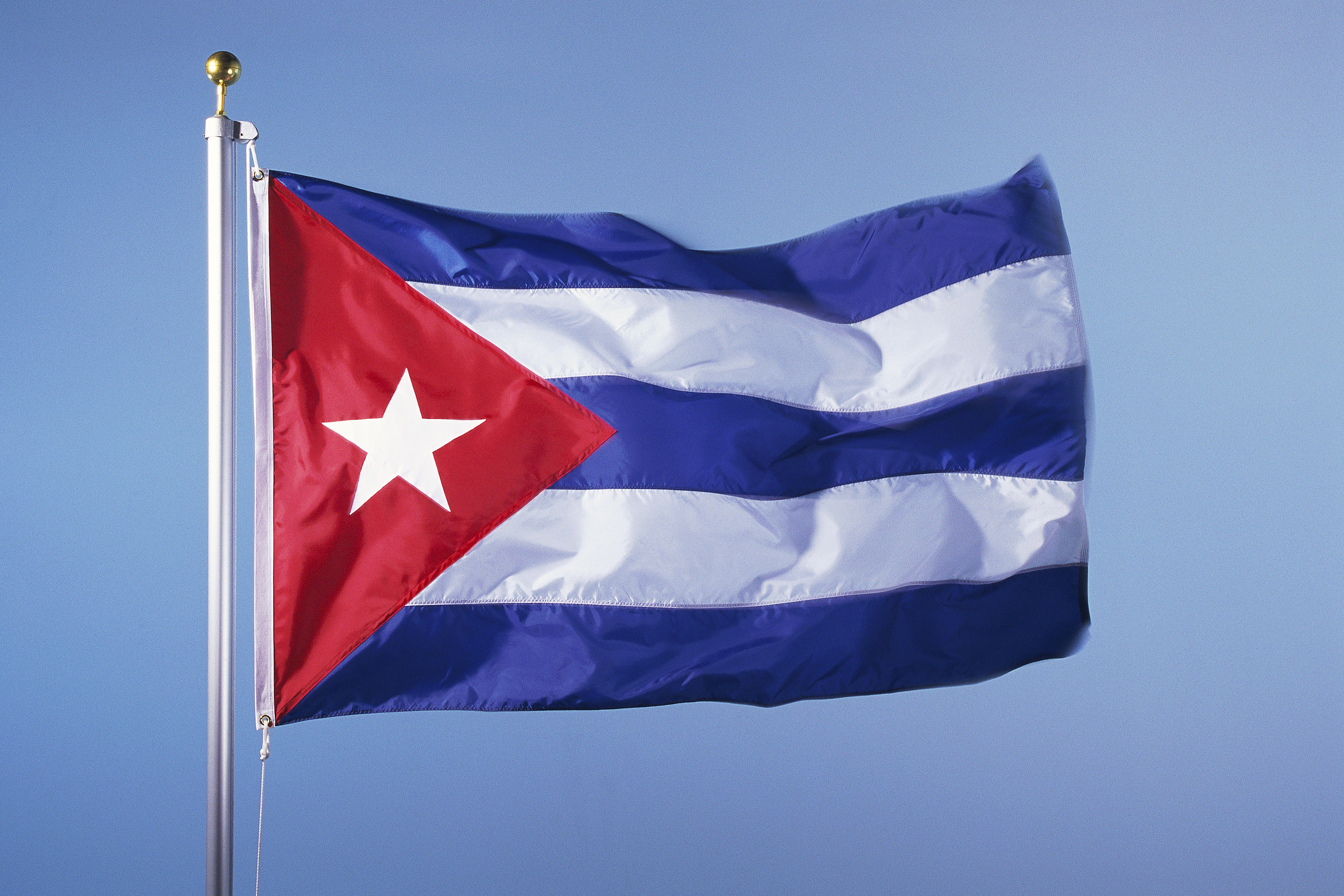
CUBA'S POWER GRID FAILS FOR SECOND TIME THIS WEEK, PLUNGING COUNTRY INTO DARKNESS.
Cuba's national electrical grid collapsed again on Friday, marking the country's second nationwide blackout in the same week and the fourth major outage this year. The repeated failures have been linked to a severe fuel shortage and an aging power generation system.
- 1 month
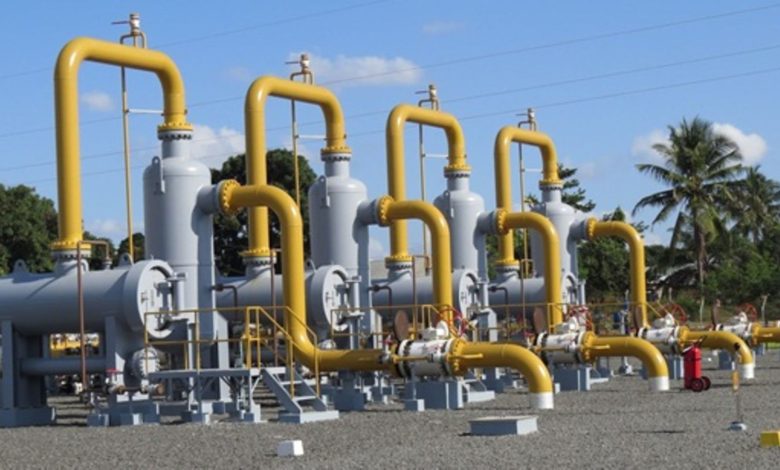
TPDC EXPANDS NATURAL GAS CONNECTIONS.
TPDC will connect more than 2,600 additional households to its natural gas network this financial year as part of Tanzania's clean cooking strategy. The expansion is expected to increase access to affordable energy while supporting environmental and energy security goals.
- 1 month
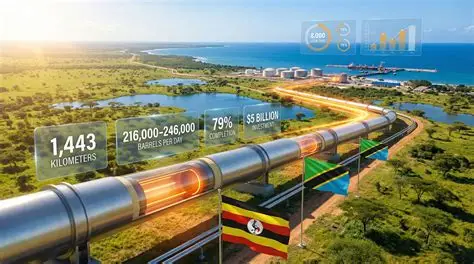
EAST AFRICAN CRUDE OIL PIPELINE SURPASSES 90% COMPLETION, BRINGING UGANDA CLOSER TO FIRST OIL EXPORTS.
The East African Crude Oil Pipeline (EACOP) has surpassed 90% completion, marking a major milestone in one of Africa's largest energy infrastructure projects and bringing Uganda significantly closer to becoming an oil-exporting nation. The latest progress reflects years of investment, engineering and regional cooperation between Uganda and Tanzania, with construction now entering its final phase ahead of commercial operations. Once completed, the pipeline is expected to transform East Africa's energy landscape by strengthening regional integration, creating employment opportunities, attracting billions of dollars in investment and opening a new export corridor for Ugandan crude to international markets.
- 1 month

Africa Energy Insights (AEI) is an African platform with latest news, insights and investment report of Energy Sectors. We bridging the gap and mobilizes investment in Energy resources for Sustainable and reliable Energy supply.